
Turmeric Paste
Turmeric paste is a simple preparation made by combining turmeric with liquid and, often, other ingredients such as black pepper and oil. It is commonly used in cooking and drinks as a convenient way to add turmeric to everyday recipes.
Key points:
- Turmeric paste is made from turmeric powder or fresh turmeric combined with liquid and other ingredients.
- It can be used in curries, sauces, soups, smoothies and warm drinks.
- Some turmeric pastes contain black pepper and oil, while others use only a few basic ingredients.
- Turmeric paste is different from turmeric extract or supplements because its composition and concentration can vary considerably.
- It is best thought of as a culinary form of turmeric rather than a standardised turmeric supplement.
Turmeric Paste
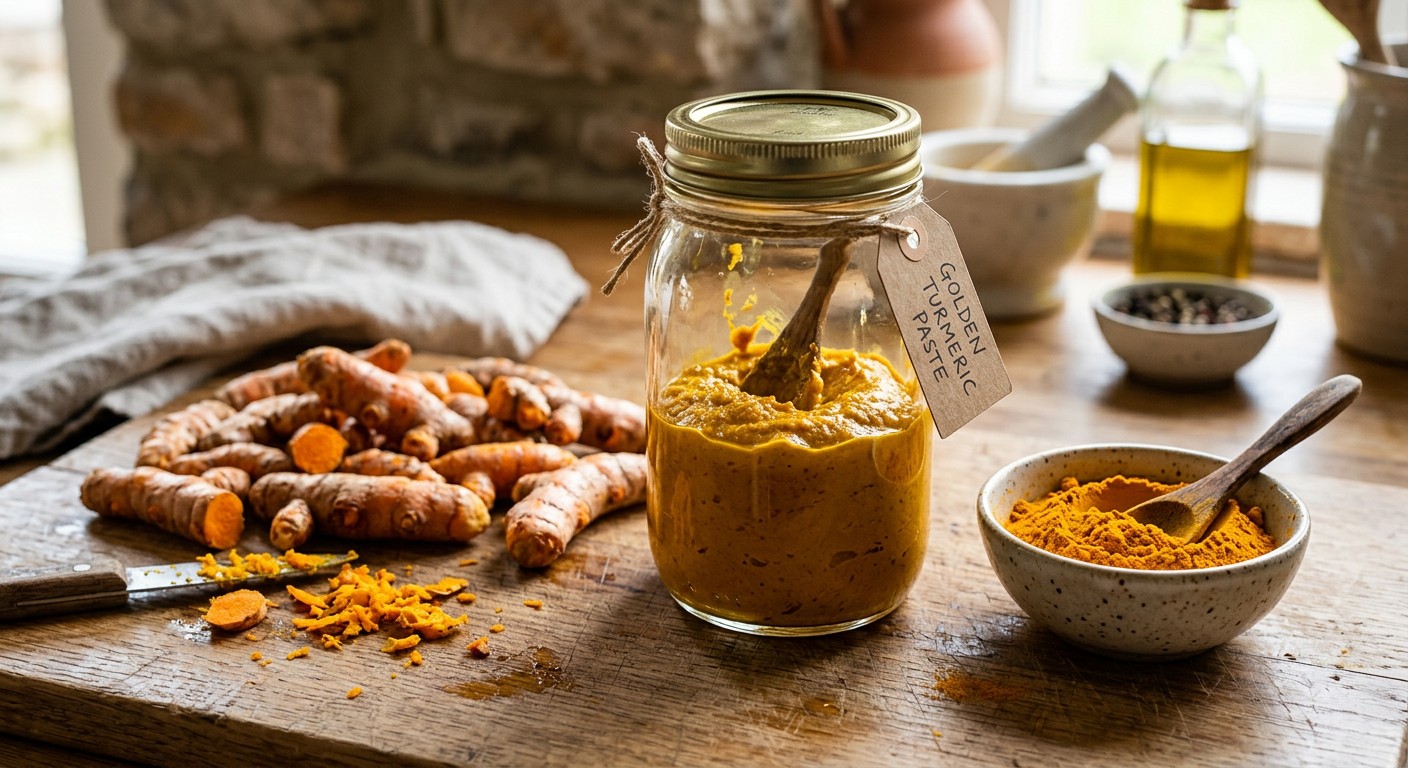
Turmeric paste in a glass jar
Table of Contents
What Is Turmeric Paste?
Turmeric paste is a thick mixture made using turmeric, usually turmeric powder or fresh ground turmeric powder, with enough liquid or another ingredient to form a paste. Recipes vary widely, so there is no single standard formula for turmeric paste.
A homemade paste might contain turmeric powder, water, coconut oil and black pepper. Other versions may include ginger, cinnamon, honey or other culinary ingredients.
Because recipes differ, two turmeric pastes can have very different textures, flavours and amounts of turmeric.
Turmeric paste is generally used as a food ingredient, rather than taken in a measured dose like a turmeric or curcumin supplement.
What Is Turmeric Paste Made From?
There are many recipes for turmeric paste, but common ingredients include:
- Turmeric: Usually turmeric powder, although fresh turmeric can also be used.
- Liquid: Water, milk or another liquid may be used to create the desired consistency.
- Oil: Some recipes include coconut oil or another cooking oil.
- Black pepper: Often added for flavour and because it contains piperine.
- Other spices: Ginger, cinnamon and similar spices may be included depending on the recipe.
There is no universal ingredient list, so it is worth checking the recipe or product label when buying ready-made turmeric paste.
Turmeric Paste Ingredients
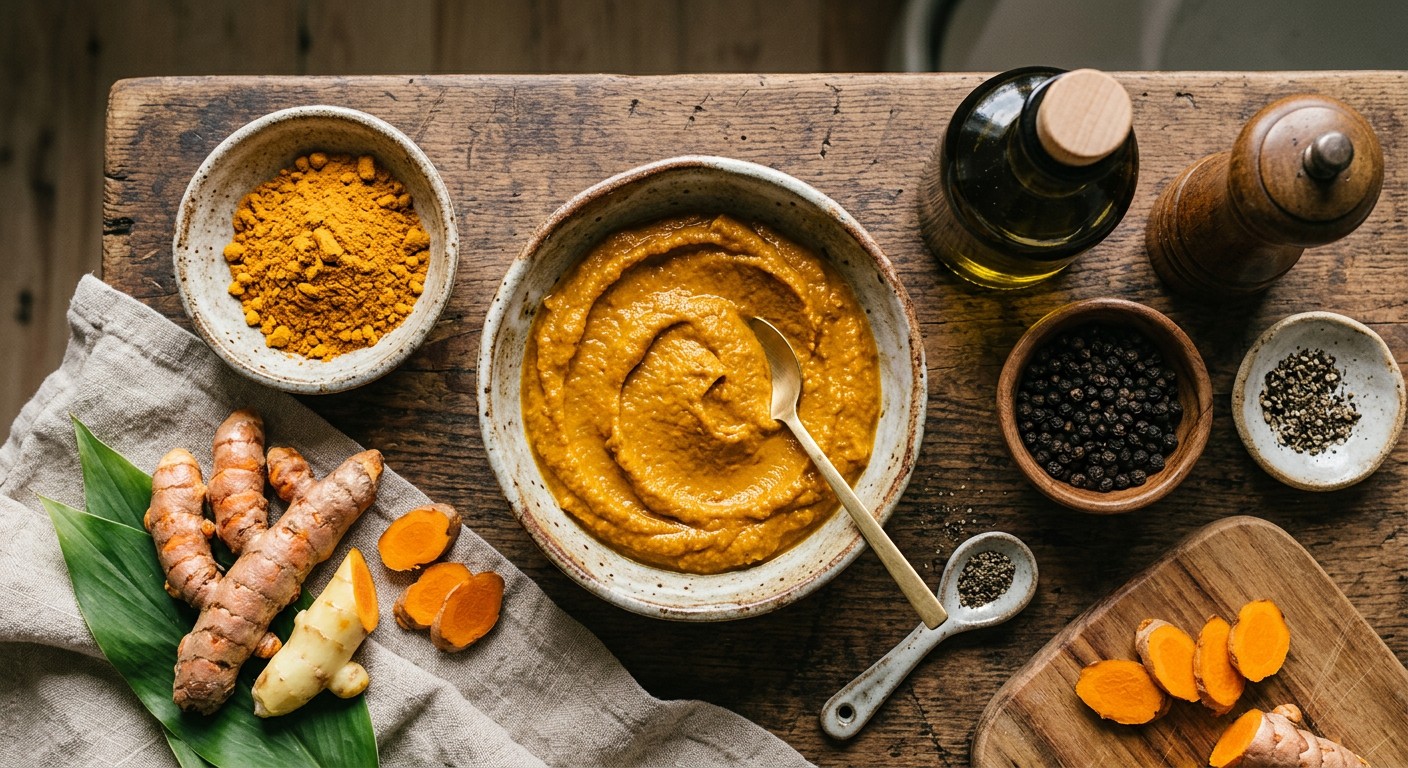
Common ingredients used to make turmeric paste.
How Is Turmeric Paste Used?
Turmeric paste is versatile and can be incorporated into many everyday foods and drinks.
1. Cooking
A spoonful of turmeric paste can be stirred into:
- Curries and stews
- Soups
- Rice dishes
- Sauces
- Vegetable dishes
- Marinades
2. Drinks
Turmeric paste is also commonly used in drinks, particularly turmeric milk or so-called golden milk. It can be mixed with warm milk or a plant-based alternative and adjusted with spices or a little sweetness.
3. Smoothies
A small amount can be blended into smoothies for a turmeric flavour. Because turmeric has a distinctive earthy taste, starting with a small quantity is usually sensible.
Using Turmeric Paste in Cooking
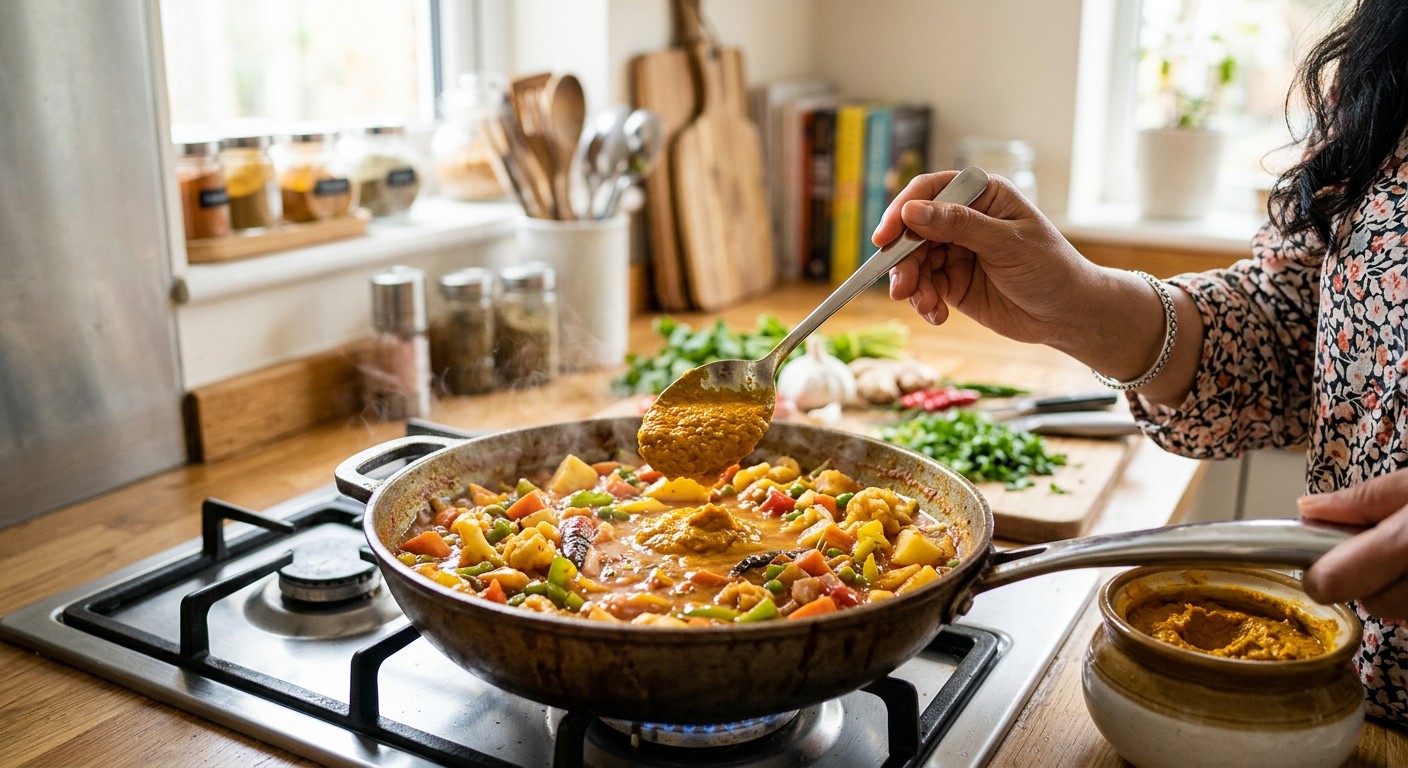
Using turmeric paste in cooking
Turmeric Paste Compared with Other Turmeric Forms
Turmeric is available in several forms, and the best choice depends on how it is intended to be used.
| Turmeric form | Main characteristic | Typical use |
| Turmeric paste | Thick, prepared mixture | Cooking and drinks |
| Turmeric powder | Dried and ground turmeric | Cooking, baking and drinks |
| Fresh turmeric | Whole turmeric rhizome | Cooking, juicing and drinks |
| Turmeric extract | Concentrated turmeric preparation | Supplements and formulated products |
| Curcumin supplement | Usually standardised around curcuminoids | Supplement use |
The key difference is consistency and concentration. Turmeric powder and fresh turmeric are relatively straightforward culinary ingredients, whereas extracts and supplements are often formulated to provide more specific amounts of particular compounds.
Turmeric paste sits closer to turmeric powder and fresh turmeric as a food preparation. Its nutritional and chemical composition depends heavily on the ingredients and recipe used.
Turmeric Forms Compared
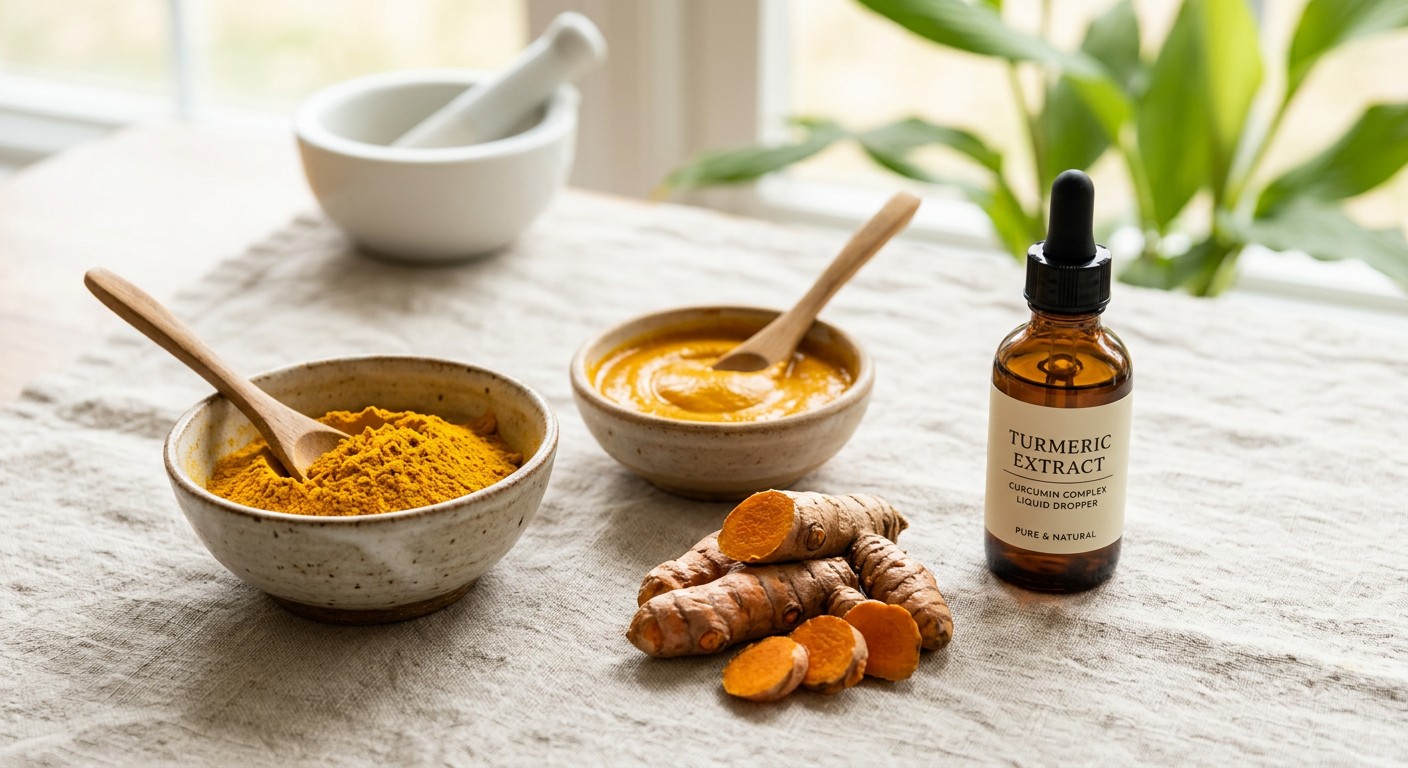
Comparing common forms of turmeric.
How to Store Turmeric Paste
Storage depends on how the paste has been prepared.
A homemade paste containing water or other perishable ingredients should generally be stored in a clean, sealed container in the refrigerator and used within the timeframe recommended by the recipe.
Look for changes in smell, appearance, texture or mould before using stored homemade paste. If in doubt, discard it.
Commercial turmeric pastes should be stored according to the manufacturer’s instructions and the product’s use-by or best-before information.
Frequently Asked Questions
What is turmeric paste used for?
Turmeric paste is mainly used as a convenient culinary ingredient. It can be added to curries, soups, sauces, smoothies and drinks such as golden milk.
Is turmeric paste the same as turmeric powder?
No. Turmeric powder is simply dried and ground turmeric, while turmeric paste is a prepared mixture containing turmeric and usually one or more additional ingredients.
Does turmeric paste contain black pepper?
It can, but not always. Many recipes include black pepper, while others contain only turmeric and a liquid or oil. Always check the ingredients if using a commercially prepared paste.
Can you make turmeric paste with turmeric powder?
Yes. Turmeric powder is one of the most common starting ingredients for homemade turmeric paste.
Can turmeric paste be used in cooking?
Yes. It can be added to many turmeric recipes, including curries, soups, stews, sauces, rice and vegetable dishes. It can also be incorporated into marinades and dressings.
How long does homemade turmeric paste last?
There is no single shelf life because recipes differ. Ingredients, preparation, storage temperature and hygiene all affect how long it remains suitable to use. Follow the specific recipe’s storage guidance and refrigerate perishable homemade paste.
Is turmeric paste a turmeric supplement?
Not usually. Turmeric paste is generally a food preparation, whereas turmeric supplements and curcumin supplements are formulated for supplementation and may contain standardised quantities of particular compounds.
Can turmeric paste be used in golden milk?
Yes. Turmeric paste is commonly used as a convenient base for golden milk. It can be combined with warm milk or a plant-based alternative and other ingredients to suit personal taste.
Shopping for Turmeric Paste
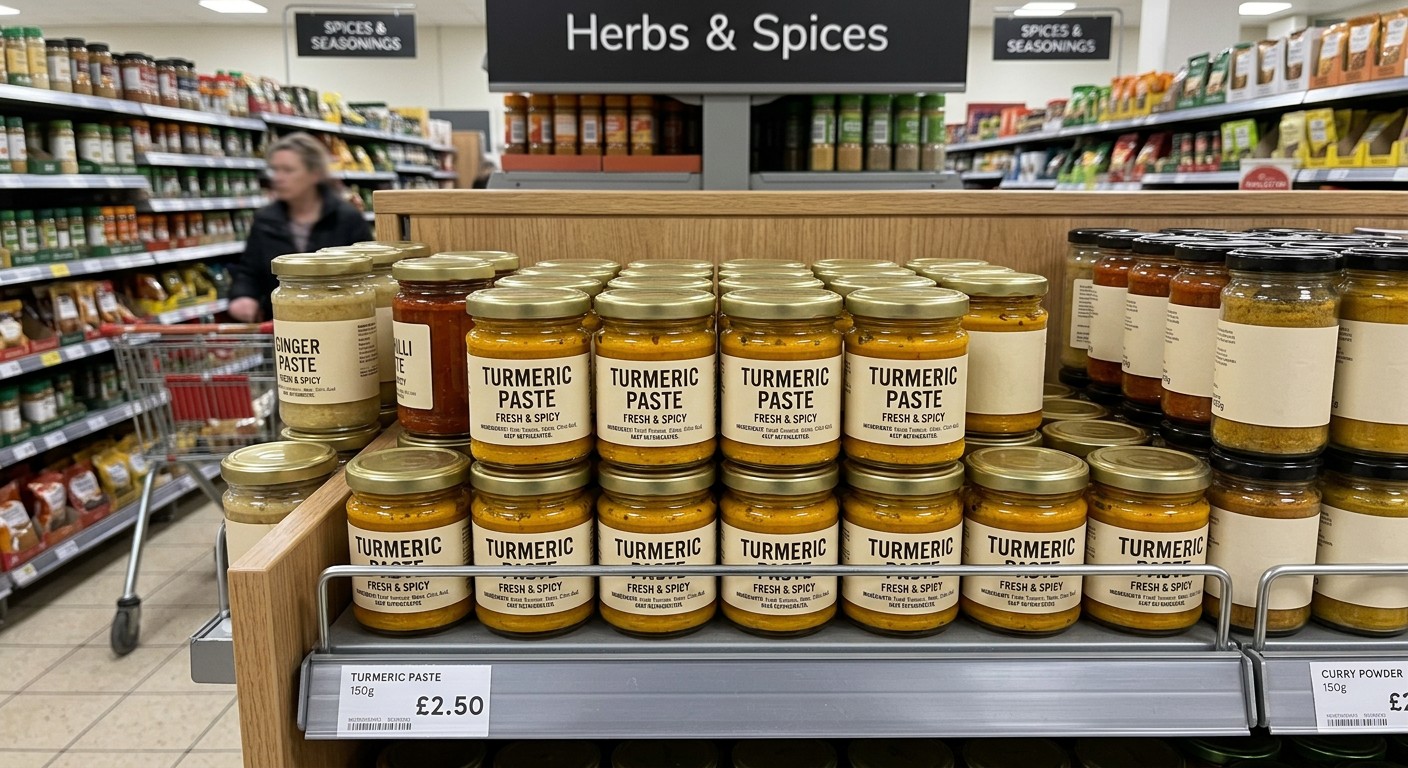
Turmeric paste is available at many supermarkets.
Summary
Turmeric paste is a convenient food-based form of turmeric made by combining turmeric with liquid, oil or other ingredients to create a thick mixture. It is particularly useful for cooking and drinks, including curries, soups, smoothies and golden milk.
Unlike turmeric extracts and standardised supplements, turmeric paste does not have one fixed composition or concentration. Its characteristics depend on the ingredients and preparation method.
For everyday culinary use, turmeric paste can be a practical alternative to measuring turmeric powder each time. If you are looking for a standardised turmeric or curcumin intake, however, a culinary paste and a supplement are not directly interchangeable.
Further Information
1. Turmeric Paste Recipe
2. Turmeric Benefits— Johns Hopkins Medicine
Brief description: A medically reviewed guide covering turmeric’s potential benefits, how to incorporate turmeric into food and drinks, turmeric tea, absorption with black pepper, and safety considerations. While it does not focus exclusively on turmeric paste, it is a strong evidence-based reference for understanding how turmeric can be prepared and consumed.
Published by: Johns Hopkins Medicine
Direct URL: Read article.
3. Turmeric — Memorial Sloan Kettering Cancer Center
Brief description: An evidence-based guide explaining what turmeric is, its active compound curcumin, potential uses, food and tea consumption, side effects, and possible interactions with medicines. It is particularly useful for understanding the health and safety considerations of concentrated turmeric preparations such as pastes.
Published by: Memorial Sloan Kettering Cancer Center
Direct URL: Read article.
3. Jakartan noodles and Sulawesi seafood: three Indonesian recipes from Petty Pandean-Elliott – The Guardian
Brief description: A culinary guide featuring bumbu kuning, an Indonesian yellow spice paste made with turmeric, garlic, shallots, ginger, galangal and chillies. It provides specific ingredients and preparation instructions for making the paste and demonstrates how it can be used in seafood dishes.
Published by: The Guardian
Direct URL: Read recipe.
4. Microwave garam masala vegetable curry recipe — Good Food (BBC Good Food)
Brief description: A practical recipe guide demonstrating the use of turmeric paste in cooking. It specifies turmeric paste as an ingredient, explains how it is incorporated with other spices, and provides a complete method for preparing the curry.
Published by: Good Food / BBC Good Food
Direct URL: Read recipe.
Disclaimer
This page is provided for general information and educational purposes only. Turmeric paste is primarily discussed here as a culinary food preparation and should not be considered a treatment or cure for any medical condition. If you have a medical condition, take medication, are pregnant or have concerns about using concentrated turmeric products, seek advice from a qualified healthcare professional.
Author
Written by J. Henderson
Health & Wellness Research Writer
J. Henderson writes evidence-based articles on nutrition, botanical supplements and everyday wellbeing. His work focuses on translating scientific research into clear, practical guidance that helps readers make informed decisions about natural health products.