Turmeric is one of the world’s best-known natural ingredients and has been used for centuries in cooking and traditional wellness practices. Today, it is available in many different forms, each designed for specific uses, from everyday cooking to food supplements and skincare.
Understanding the differences between turmeric forms can help you choose the option that best suits your lifestyle, cooking habits or wellness goals. This guide explains every common type of turmeric, how they compare, and when each one may be the best choice.
Turmeric is available in several different forms, each suited to different purposes such as cooking, supplementation or topical use. Choosing the right form depends on how you intend to use it, your personal preferences and the level of convenience you require.
The most common types of turmeric forms include:
Each form offers its own advantages. Fresh turmeric root is ideal for cooking, smoothies and juices, while turmeric powder is the most versatile option for everyday recipes. Capsules, tablets and extracts provide convenient, measured servings for those who prefer supplements, whereas liquid turmeric and gummies offer easy alternatives for people who dislike swallowing tablets.
The sections below explain each turmeric form in more detail, helping you understand their uses, benefits and the situations where they are most suitable.
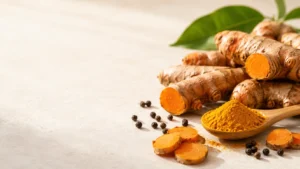
Turmeric comes from the underground stem (rhizome) of the Curcuma longa plant. It belongs to the ginger family and is recognised for its bright golden-yellow colour and distinctive earthy flavour.
Different turmeric forms are produced by processing the fresh rhizome in different ways. Some are dried and ground into powder, while others are concentrated into extracts or preserved as fresh root.
The form you choose can influence:
Understanding these differences allows you to select the most suitable product for your intended use rather than assuming all turmeric products are identical.
Fresh turmeric root offers a vibrant flavour with subtle citrus and ginger notes. It works particularly well in:
Ground turmeric powder remains the most popular choice because it is inexpensive, widely available and stores well for many months when kept correctly.
Turmeric paste has also become increasingly popular thanks to recipes such as golden milk. It combines turmeric with ingredients including water, black pepper and often healthy fats, creating a ready-to-use mixture.
For everyday home cooking, turmeric powder remains the most practical option due to its versatility and long shelf life.
Turmeric supplements come in several different forms.
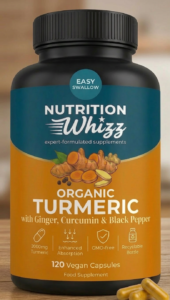
Capsules are among the easiest to take. They often contain standardised turmeric extract and may include black pepper extract (piperine) to help improve curcumin absorption.
Tablets provide measured doses and usually have a long shelf life. Some people prefer them because they are easy to transport and store.
Extracts are significantly more concentrated than culinary turmeric powder. Many are standardised to contain a specified percentage of curcuminoids.
Liquid supplements may suit people who dislike swallowing tablets. They can be added to water or other drinks.
Turmeric gummies have become increasingly popular because they are convenient and pleasant tasting, although some products may contain added sugars.
Liposomal technology is designed to improve delivery by surrounding active ingredients with tiny lipid particles. Research into delivery methods continues to develop.
One of the biggest discussions surrounding turmeric relates to curcumin absorption.
Curcumin is the primary naturally occurring compound found within turmeric, but it is not easily absorbed by the body on its own.
Several methods are commonly used to improve absorption:
Many supplement manufacturers include black pepper extract because piperine has been widely studied for its effect on curcumin absorption.
For cooking, simply including healthy fats such as olive oil or coconut milk alongside turmeric can also be beneficial.
Storage recommendations vary depending on the form.
Fresh turmeric root should be refrigerated and generally lasts for several weeks.
Ground turmeric should be stored:
Capsules, tablets and extracts should always be stored according to the manufacturer’s instructions.
Correct storage helps preserve colour, flavour and overall quality.
There is no single best turmeric product for everyone. Instead, consider:
Cooking usually requires powder or fresh root. Daily supplementation may be better suited to capsules or extracts.
Capsules and tablets are simple to take while travelling. Fresh turmeric requires preparation before use.
Fresh root has a stronger, more aromatic flavour than dried powder.
Whole turmeric naturally contains curcumin alongside many other plant compounds. Extracts are generally far more concentrated than culinary turmeric powder.
Ground turmeric powder is usually the most affordable option. Premium delivery systems often cost considerably more.
Fresh turmeric offers several practical benefits:
The main disadvantage is its shorter shelf life compared with dried products.
Turmeric powder remains the most widely used form because it offers:
It is suitable for everything from curries and soups to roasted vegetables and homemade spice blends.
Turmeric extracts are concentrated products made by isolating particular naturally occurring compounds from turmeric.
Many extracts specify the percentage of curcuminoids they contain, making dosage more consistent than standard culinary turmeric.
These products are typically intended for food supplements rather than cooking.
Yes. Many people regularly combine different forms depending on the situation. For example:
Using multiple forms allows flexibility without relying on just one product.
The best choice depends entirely on your needs. If you enjoy cooking, fresh root and powder offer outstanding versatility. If convenience is your priority, capsules or tablets are often the simplest option. Those looking for concentrated products frequently choose standardised extracts.
There is no universally superior form. Understanding the strengths of each type allows you to select the product that fits your lifestyle, preferences and intended use.
This article is provided for general educational and informational purposes only and should not be considered medical advice. Turmeric products are not intended to diagnose, treat, cure or prevent any disease. Always seek advice from a qualified healthcare professional before starting any new supplement, particularly if you are pregnant, breastfeeding, taking medication or have an existing medical condition.
Written and reviewed by the Nutrition Whizz Editorial Team.