
What Is Curcumin? Benefits, Buying Guide, Uses & Safety Explained
Quick Answer: What Is Curcumin?
Curcumin is a naturally occurring plant compound found in turmeric. It belongs to a group of substances called curcuminoids and is responsible for turmeric’s bright yellow colour. Curcumin has been widely studied for its antioxidant and anti-inflammatory properties and is commonly used in supplements, although it is only present in small amounts in turmeric itself.
Overview
Curcumin has become one of the world’s most researched natural compounds. While turmeric has been used in traditional cooking and herbal practices for centuries, modern scientific research focuses specifically on curcumin because of its potential effects on inflammation, oxidative stress and overall health.
Although many studies have shown promising results, research is still ongoing, and curcumin should not be viewed as a cure or replacement for medical treatment. Instead, it may be used as part of a healthy lifestyle when appropriate.
Key Points about Curcumin
- Naturally found in turmeric.
- Gives turmeric its bright yellow colour.
- Known for antioxidant and anti-inflammatory properties.
- Often taken as a dietary supplement.
- Scientific research is continuing to explore its health benefits.
Fresh Turmeric Root
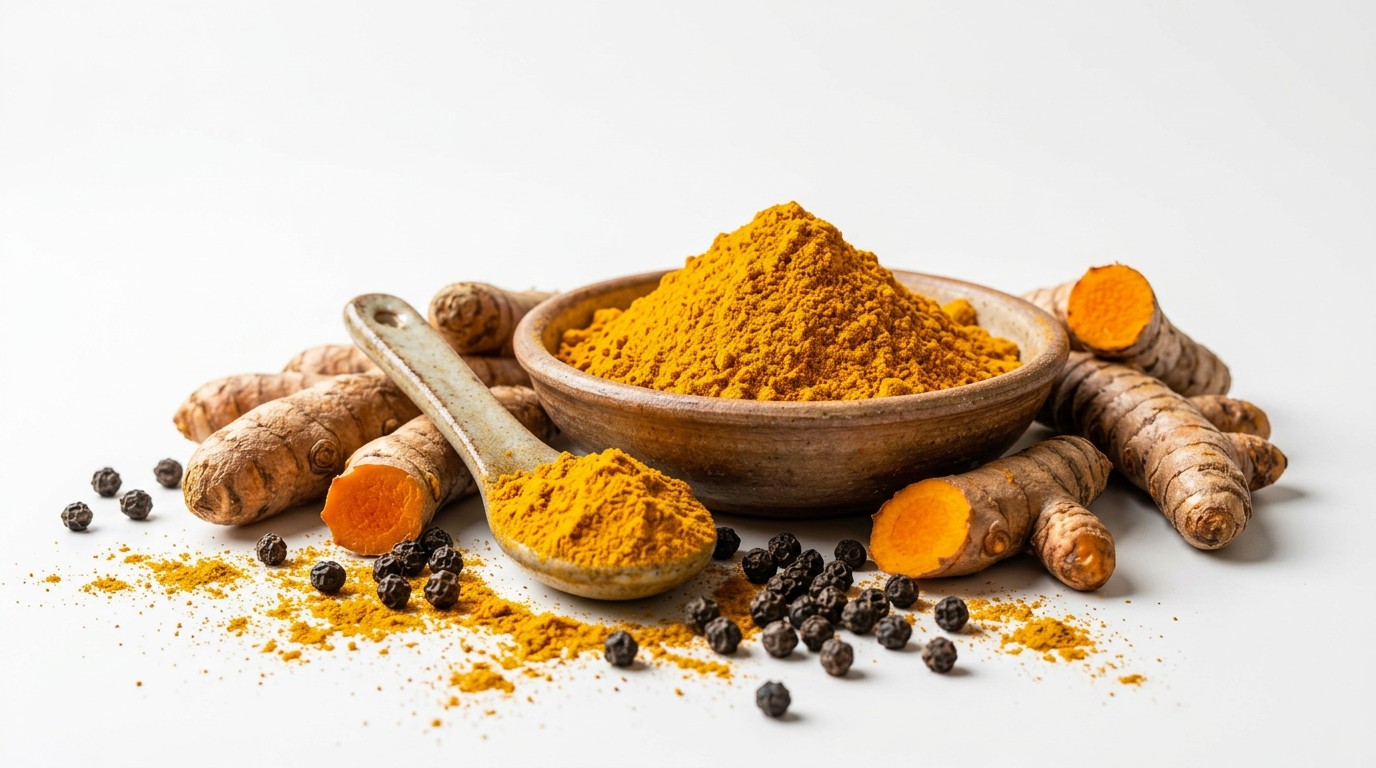
Curcumin is the main active compound found in turmeric.
Table of Contents
- Quick Answer
- Overview
- What Is Curcumin?
- Where Does Curcumin Come From?
- How Curcumin Works
- Health Benefits of Curcumin
- Curcumin Supplements Buying Guide
- Best Turmeric and Curcumin Supplements
- Curcumin in Food vs Supplements
- Is Curcumin Safe?
- Possible Side Effects
- Who Should Avoid Curcumin?
- Frequently Asked Questions
- Summary
- Related Reading and Scientific Studies
- Disclaimer
What Is Curcumin?
Curcumin is the main active ingredient found in turmeric, a spice made from the root of the Curcuma longa plant. While turmeric contains several naturally occurring compounds, curcumin is considered the most biologically active.
Turmeric itself contains only around 2–8% curcuminoids by weight, meaning that cooking with turmeric provides relatively small amounts of curcumin compared with concentrated supplements.
Scientists have studied curcumin extensively because laboratory and clinical research suggests it may help support normal inflammatory responses, protect cells from oxidative damage and influence several biological pathways throughout the body.
Where Does Curcumin Come From?
Curcumin comes from the underground stem (rhizome) of the turmeric plant.
The process generally involves:
- Growing turmeric plants
- Harvesting and drying the roots
- Grinding them into turmeric powder
- Extracting and concentrating curcuminoids for supplements
Curcumin is therefore a natural plant compound rather than a synthetic ingredient.
Curcumin Molecular Illustration
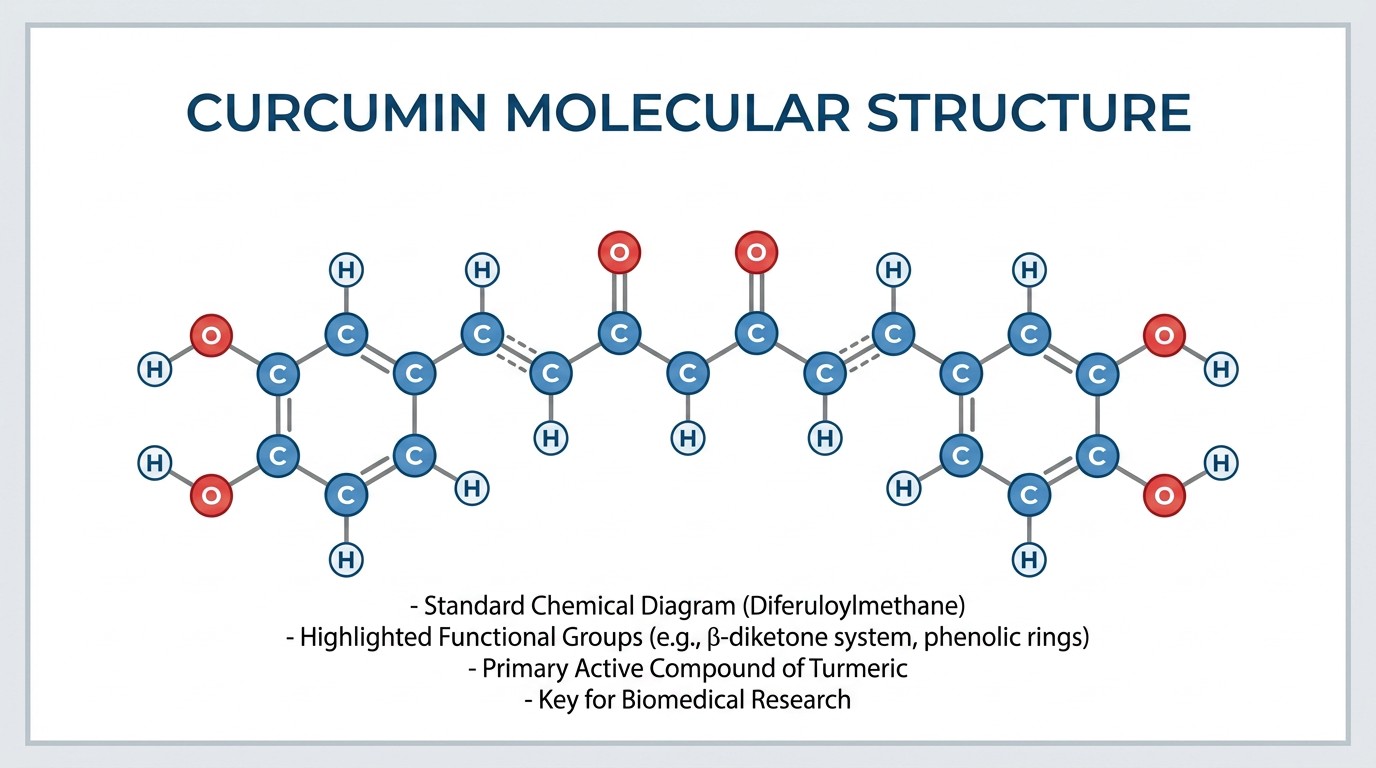
Curcumin belongs to a family of compounds known as curcuminoids.
How Curcumin Works
Researchers believe curcumin works by interacting with multiple biological pathways.
These include:
- Supporting the body’s natural antioxidant defences
- Helping regulate inflammatory processes
- Protecting cells from oxidative stress
- Influencing cell signalling pathways
- Supporting normal immune function
One challenge with curcumin is that the body absorbs it poorly. For this reason, many supplements combine curcumin with black pepper extract (piperine) or use specialised formulations designed to improve absorption.
Health Benefits of Curcumin
Curcumin has been investigated in thousands of scientific studies. Although more high-quality human research is still needed for many uses, current evidence suggests several potential benefits.
May Help Support Healthy Inflammation
One of curcumin’s best-known properties is its ability to support normal inflammatory responses. This is one reason it has attracted significant scientific interest.
Powerful Antioxidant Activity
Curcumin can help neutralise free radicals while also supporting the body’s own antioxidant enzymes, helping to reduce oxidative stress.
May Support Joint Health
Some clinical studies suggest curcumin supplements may help improve comfort and mobility in people with certain joint conditions when used alongside appropriate medical care.
May Support Heart Health
Research is exploring whether curcumin may help support healthy blood vessel function and contribute to cardiovascular wellbeing as part of a healthy lifestyle.
May Support Brain Health
Scientists are investigating whether curcumin may help protect nerve cells and support healthy brain ageing. However, more research is required before firm conclusions can be made.
May Support Digestive Health
Curcumin has been studied for its potential role in supporting digestive comfort and maintaining a healthy inflammatory balance within the digestive system.
Immune System Support
Through its antioxidant and anti-inflammatory actions, curcumin may help support normal immune function.
Curcumin Health Benefits Lifestyle

A healthy lifestyle that includes a balanced diet with turmeric may help support overall wellbeing. Curcumin is the main naturally occurring compound found in turmeric.
Curcumin Supplement Buying Guide
Choosing a curcumin and turmeric supplement can be confusing because there are hundreds of products available. The following tips can help you make an informed decision.
- Look for a Standardised Extract
Choose a supplement that clearly states the amount of curcuminoids or curcumin per serving. Standardised extracts provide more consistent levels of active ingredients than generic standard turmeric powder.
- Consider Bioavailability
Curcumin is naturally absorbed poorly by the body. Many higher-quality supplements include ingredients or technologies that improve absorption, such as black pepper extract (piperine) or specialised curcumin formulations.
- Check the Dosage
Different supplements provide different strengths. Compare the amount of curcumin or turmeric per serving rather than simply the number of capsules.
- Look for Independent Testing
Products that have undergone third-party testing or quality certification can provide greater confidence that the ingredients match what is stated on the label.
- Review the Ingredient List
Choose products with minimal unnecessary fillers, artificial colours or additives. If you have dietary requirements, check whether the capsules are suitable for vegetarians or vegans and whether they are free from common allergens.
- Buy from a Reputable Brand
Established manufacturers often provide clearer information about sourcing, manufacturing standards and quality control. Reading verified customer reviews can also help you assess product quality and consistency.
- Check Storage and Expiry Information
Always ensure the product is within its expiry date and follow the recommended storage instructions to help maintain potency.
Curcumin and Healthy Living

Curcumin is best considered part of an overall healthy lifestyle.
Best Turmeric and Curcumin Supplements
Choosing the best turmeric and curcumin supplement depends on quality, absorption, and dosage. Here are some popular supplement guides and reviews.
Best Turmeric Supplements, According to a Dietitian
Brief description: A comprehensive buying guide comparing seven of the best turmeric supplements based on ingredient quality, bioavailability, third-party testing, dosage, value, and intended use.
Published by: Healthline
URL: https://www.healthline.com/nutrition/best-turmeric-supplements
8 Best Turmeric Supplements: Expert-Reviewed
Brief description: Forbes Health’s expert panel evaluates leading turmeric supplements based on curcuminoid content, bioavailability, third-party testing, price, and overall quality.
Published by: Forbes Health
URL: https://www.forbes.com/health/supplements/best-turmeric-supplements/
10 Best Turmeric Supplements, According to Dietitians
Brief description: A premium wellness guide highlighting the best turmeric supplements for different needs, including best overall, best for absorption, best for sensitive stomachs, and best value.
Published by: Vogue
Curcumin in Food vs Supplements
Eating turmeric as part of a balanced diet provides small amounts of curcumin alongside other naturally occurring plant compounds.
Supplements usually contain concentrated curcumin extracts that deliver much higher amounts than food alone.
Many supplements also include ingredients that improve absorption, as standard curcumin is absorbed relatively poorly by the body.
Turmeric vs Curcumin Supplements
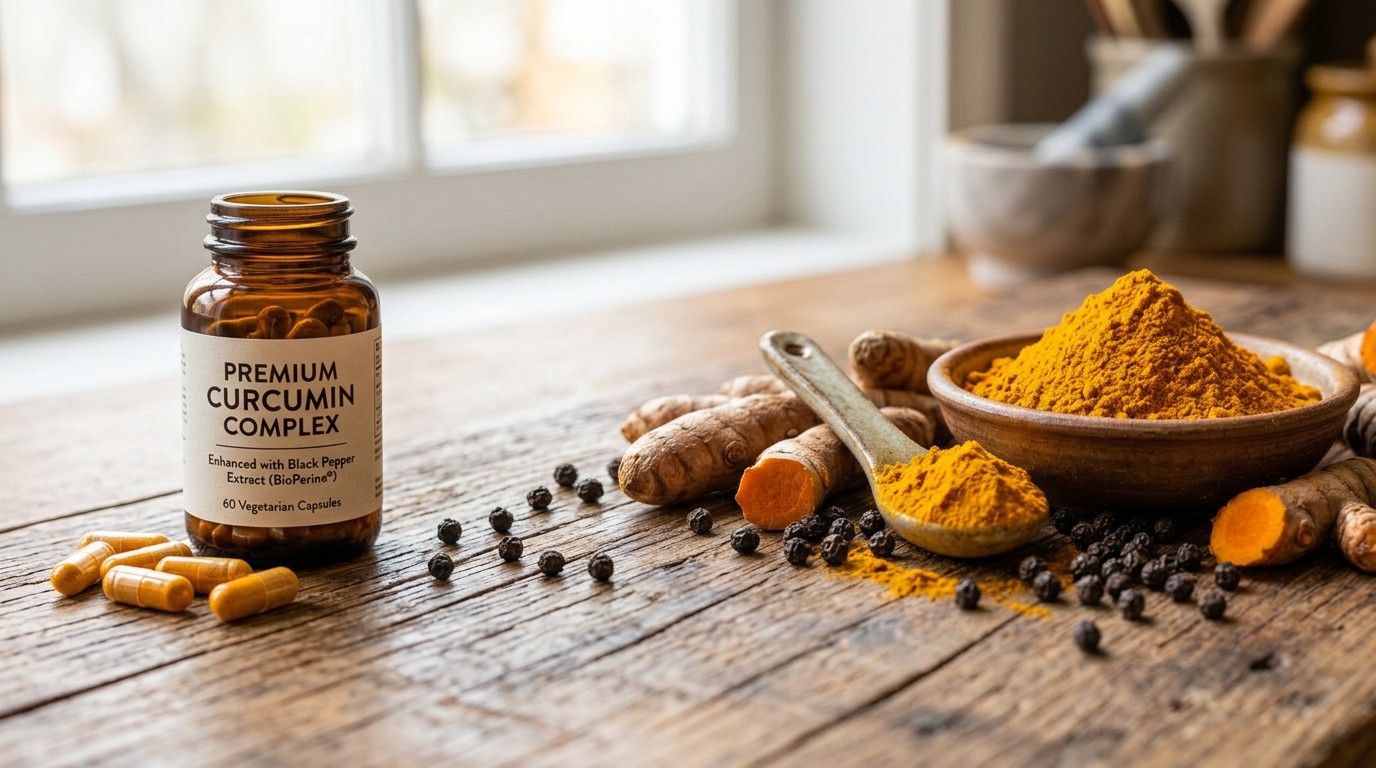
Supplements provide concentrated amounts of curcumin.
Is Curcumin Safe?
For most healthy adults, curcumin consumed in normal food amounts is considered safe.
Supplement use should always follow the manufacturer’s instructions.
People should seek medical advice before taking curcumin supplements if they:
- Take blood-thinning medication
- Are pregnant or breastfeeding
- Have gallbladder disease
- Have liver disease
- Are due to undergo surgery
- Take prescription medicines that may interact with supplements
Possible Side Effects
Most people tolerate curcumin well.
Possible side effects may include:
- Mild stomach upset
- Nausea
- Diarrhoea
- Indigestion
- Headache (less common)
Higher doses are generally more likely to cause digestive symptoms.
Who Should Avoid Curcumin?
Curcumin supplements may not be suitable for:
- People with gallstones or bile duct obstruction
- Individuals taking anticoagulants
- People preparing for surgery
- Those with known allergies to turmeric
- Anyone advised by a healthcare professional not to use herbal supplements
Frequently Asked Questions
What is curcumin used for?
Curcumin is most commonly used as a dietary supplement to support healthy inflammatory responses, antioxidant protection, joint health and general wellbeing. Scientific research into additional uses is ongoing.
Is curcumin the same as turmeric?
No. Turmeric and curcumin are not the same. Turmeric is the whole spice, while curcumin is one of its naturally occurring active compounds. Turmeric contains several curcuminoids, with curcumin being the most abundant.
Does curcumin reduce inflammation?
Research suggests curcumin may help support the body’s normal inflammatory processes. However, it should not be considered a replacement for prescribed medical treatment.
Is it better to take turmeric or curcumin supplements?
Turmeric is excellent as a culinary ingredient, while supplements provide much higher concentrations of curcumin. Which is more suitable depends on individual dietary needs and health advice.
Should curcumin be taken with black pepper?
Many turmeric supplements include black pepper extract (piperine) because it can significantly increase curcumin absorption. Always follow the directions provided with any supplement.
What is the history of turmeric and curcumin?
The history of turmeric stretches back over 4,000 years to ancient India, where it was used in cooking and traditional medicine. Curcumin, turmeric’s main active compound, was identified in the 1800s and is now widely studied for its potential anti-inflammatory and antioxidant health benefits.
The Turmeric Plant
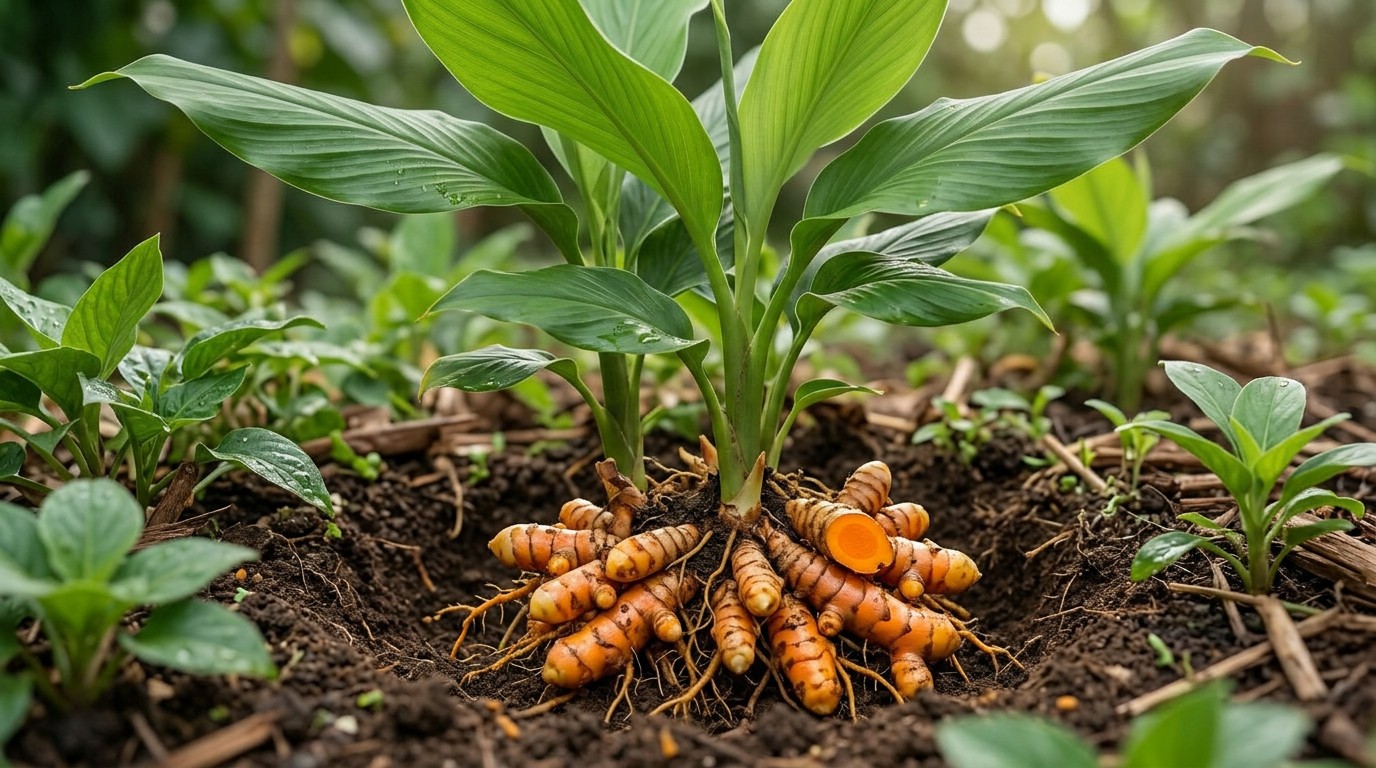
Curcumin is extracted from the rhizomes of the turmeric plant.
Summary
Curcumin is the primary active compound found in turmeric and has become one of the most widely researched natural substances in nutrition science. It is recognised for its antioxidant and anti-inflammatory properties and may support joint, heart, digestive and general health when used appropriately. While research continues to develop, curcumin should be viewed as a complement to a healthy lifestyle rather than a substitute for medical treatment.
Related Reading and Scientific Studies
Below are several high-quality, authoritative resources (government agencies, major medical centres, and peer-reviewed journals) that discuss curcumin and its potential health benefits. They also explain the current evidence, limitations, and safety considerations.
Turmeric Benefits: A Look at the Evidence
Description: A comprehensive evidence-based review of turmeric and its active compound curcumin, covering anti-inflammatory effects, osteoarthritis, antioxidant activity, bioavailability, and supplement safety.
Published by: Harvard Health Publishing (Harvard Medical School)
Health benefits discussed: Anti-inflammatory properties, osteoarthritis symptom relief, antioxidant activity, digestive health, and ongoing research into chronic diseases.
Direct URL: https://www.health.harvard.edu/healthy-aging-and-longevity/turmeric-benefits-a-look-at-the-evidence
Curcumin: Can It Slow Cancer Growth?
Description: A question-and-answer guide reviewing the scientific evidence for curcumin in cancer prevention and treatment.
Published by: Mayo Clinic
Health benefits discussed: Anti-inflammatory and antioxidant properties, possible role in cancer research, and laboratory evidence.
Direct URL: https://www.mayoclinic.org/diseases-conditions/cancer/expert-answers/curcumin/faq-20057858
Turmeric: Science and Safety
Description: An evidence summary explaining what is known about turmeric and curcumin, including effectiveness, research quality, and safety.
Published by: National Center for Complementary and Integrative Health (NCCIH), National Institutes of Health (NIH)
Health benefits discussed: Reviews research into inflammation, arthritis, metabolic conditions, and general health while discussing safety and bioavailability.
Direct URL: https://www.nccih.nih.gov/health/turmeric
Curcumin (Drug Dictionary Entry)
Description: Scientific overview describing curcumin’s biological activity and mechanisms of action.
Published by: National Cancer Institute (NCI), U.S. National Institutes of Health
Health benefits discussed: Anti-inflammatory, antioxidant, and anticancer mechanisms studied in laboratory and preclinical research.
Direct URL: https://www.cancer.gov/publications/dictionaries/cancer-drug/def/curcumin
Author
Written by J. Henderson
Health & Wellness Research Writer
J. Henderson writes evidence-based articles on nutrition, botanical supplements and everyday wellbeing. His work focuses on translating scientific research into clear, practical guidance that helps readers make informed decisions about natural health products.
Disclaimer
This article is for general educational and informational purposes only and should not be considered medical advice, diagnosis or treatment. Although every effort has been made to ensure the information is accurate and up to date, scientific understanding continues to evolve. Always consult a qualified healthcare professional before starting any new supplement, particularly if you are pregnant, breastfeeding, have an existing medical condition or take prescription medication. Never delay seeking professional medical advice because of something you have read on this page.