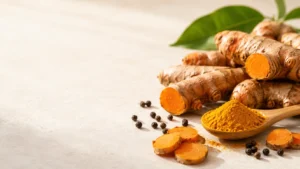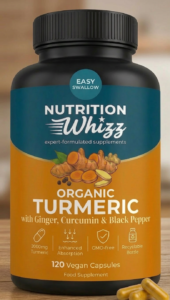
Turmeric contains a natural compound called curcumin that has been shown in numerous studies to support healthy inflammatory responses in the body. Research suggests turmeric may help support joint health, exercise recovery and overall wellbeing, particularly when taken in a highly absorbable supplement form. While turmeric is not a cure for inflammation-related conditions, evidence indicates it can be a useful part of a healthy lifestyle.
| Question | Answer |
|---|---|
| Does turmeric help inflammation? | Research suggests curcumin may help regulate inflammatory pathways. |
| What is the active ingredient? | Curcumin. |
| What supplement works best? | Curcumin with black pepper (piperine) or enhanced absorption formulas. |
| How long before results are noticed? | Often between 4 and 12 weeks. |
| Is turmeric safe daily? | Generally, yes for most healthy adults when used appropriately. |
| Can turmeric help joints? | Studies suggest it may support joint comfort and mobility. |
Turmeric is a bright yellow spice obtained from the root of the Curcuma longa plant. It has been used for centuries throughout Asia in both cooking and traditional wellness practices.
What makes turmeric particularly interesting to researchers is its main active compound, curcumin.
Curcumin belongs to a group of plant compounds known as curcuminoids. Scientists have spent decades studying how curcumin interacts with inflammation-related pathways throughout the body.
Today, turmeric is one of the most researched natural supplements in the world, particularly for its potential role in supporting healthy inflammatory responses.
Turmeric itself contains many beneficial compounds, but most inflammation research focuses specifically on curcumin, which is found in turmeric.
Not all turmeric supplements are created equally. Understanding the different types can help you choose a product that aligns with the scientific evidence.
This is simply dried and ground turmeric root.
Pros: Affordable · Easy to add to food · Widely available
Cons: Low curcumin concentration · Poor absorption
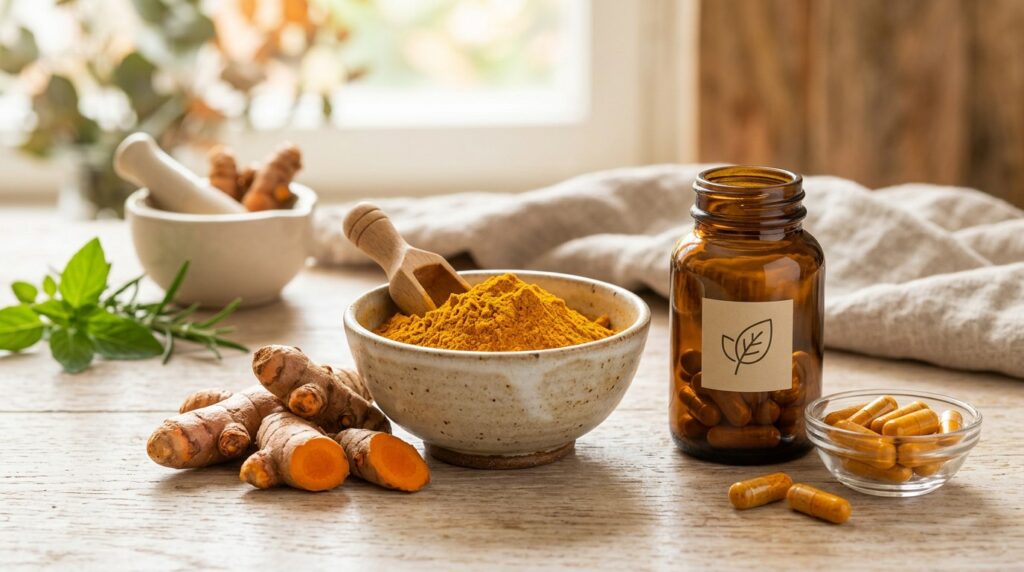
These provide a convenient daily dose of turmeric extract.
Pros: Easy to take · Consistent dosage
Cons: Quality varies between manufacturers
These contain concentrated amounts of curcumin.
Pros: Most closely aligned with scientific studies · Higher potency
Cons: Often require absorption enhancers
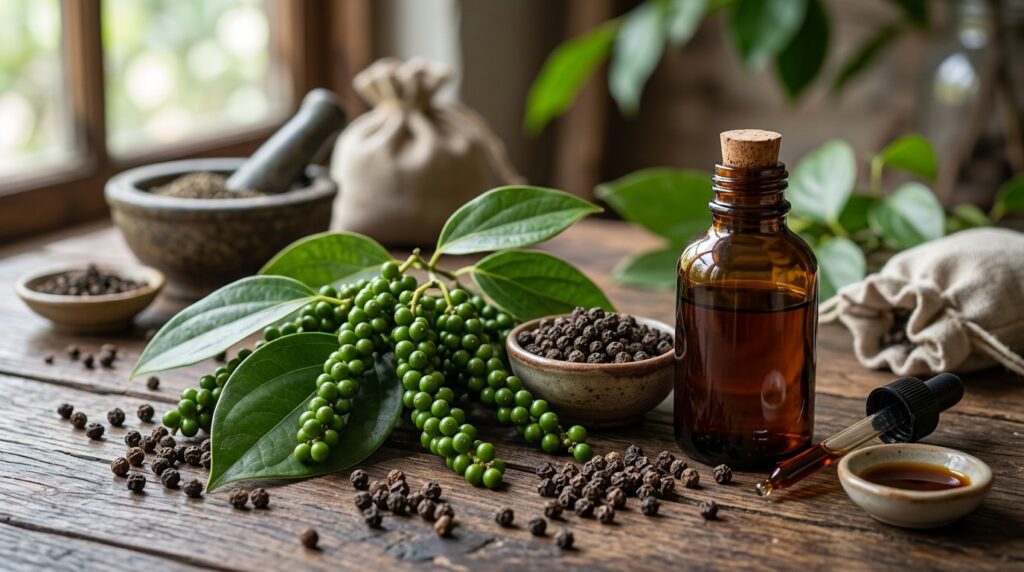
Piperine can dramatically improve curcumin absorption.
Pros: Better bioavailability · Popular research-backed option
Cons: May interact with some medications
Curcumin is encapsulated within lipid particles to improve absorption.
Pros: Advanced delivery system · Higher absorption potential
Cons: Usually more expensive
These are available as drops or liquid concentrates.
Pros: Easy to consume · Flexible dosing
Cons: Potency varies significantly
Most experts and studies favour standardised curcumin extracts combined with piperine or advanced absorption technology.
Inflammation is not inherently harmful. In fact, it is essential for healing. Problems arise when inflammatory processes remain active for extended periods.
Research suggests curcumin may influence several biological mechanisms associated with inflammation. Scientists have found evidence that curcumin may help regulate:
Curcumin also acts as an antioxidant, helping to neutralise unstable molecules known as free radicals. This dual action is one reason turmeric continues to attract scientific interest.
Turmeric is no longer just a traditional remedy. Thousands of scientific papers have investigated its effects.
Current evidence suggests curcumin may help support:
Several systematic reviews and meta-analyses have reported positive findings, particularly regarding osteoarthritis and joint function.
Researchers consistently note two important points: curcumin appears promising, and more high-quality long-term studies are still needed. The strongest evidence currently exists for joint-related inflammation.
Joint discomfort is one of the most common reasons people take turmeric supplements. Age-related joint changes often involve ongoing inflammatory activity.
Studies suggest curcumin supplementation may support:
Many individuals use turmeric as part of a broader approach that includes exercise, weight management and a balanced diet.
Physical exercise naturally creates temporary inflammation. This is a normal part of adaptation and recovery.
Some research suggests curcumin may support recovery by helping the body manage exercise-induced oxidative stress.
Athletes and active individuals often use turmeric supplements to support:
However, turmeric should complement—not replace—good nutrition, hydration and recovery practices.
If your goal is inflammation support, consider these factors:
Look for products that clearly state the amount of curcuminoids provided.
Absorption is one of the biggest challenges with curcumin. Products containing piperine, phytosome technology or liposomal delivery systems may offer improved absorption.
Choose supplements tested for quality and purity.
Avoid products with unclear ingredient lists or proprietary blends that do not disclose actual dosages.
There is no universal dosage suitable for everyone. Supplement dosages vary widely depending on:
Many studies use standardised extracts rather than culinary turmeric powder. Always follow manufacturer recommendations and seek professional guidance if you have a medical condition.
Turmeric is generally considered safe for most healthy adults. However, side effects can occur. Possible side effects include:
Certain individuals should speak with a healthcare professional before taking turmeric supplements. This includes people who use blood-thinning medication, have gallbladder conditions, are preparing for surgery, or take medications for diabetes.
Yes. Turmeric appears most effective when viewed as one part of a healthy lifestyle. Other evidence-based strategies include:
Focus on vegetables, fruit, oily fish, nuts and whole grains.
Excess body fat is associated with increased inflammatory activity.
Regular movement supports overall health and mobility.
Poor sleep is associated with increased inflammatory markers.
Chronic stress can affect multiple systems involved in inflammation.
No supplement can replace healthy daily habits. Turmeric may provide additional support when combined with a healthy lifestyle.
The scientific evidence surrounding turmeric continues to grow. Research suggests that curcumin may help support healthy inflammatory responses, joint comfort and overall wellbeing. While turmeric is not a cure for inflammatory conditions, it remains one of the most extensively studied natural compounds available today.
For people looking to support long-term health, turmeric may be a useful addition to a balanced lifestyle that includes nutritious food, regular exercise, quality sleep and effective stress management.
This article is intended for educational and informational purposes only and should not be interpreted as medical advice. Always consult a qualified healthcare professional before starting any supplement, particularly if you have a medical condition, are pregnant or breastfeeding, or take prescription medication.
Written and reviewed by the Nutrition Whizz Editorial Team.