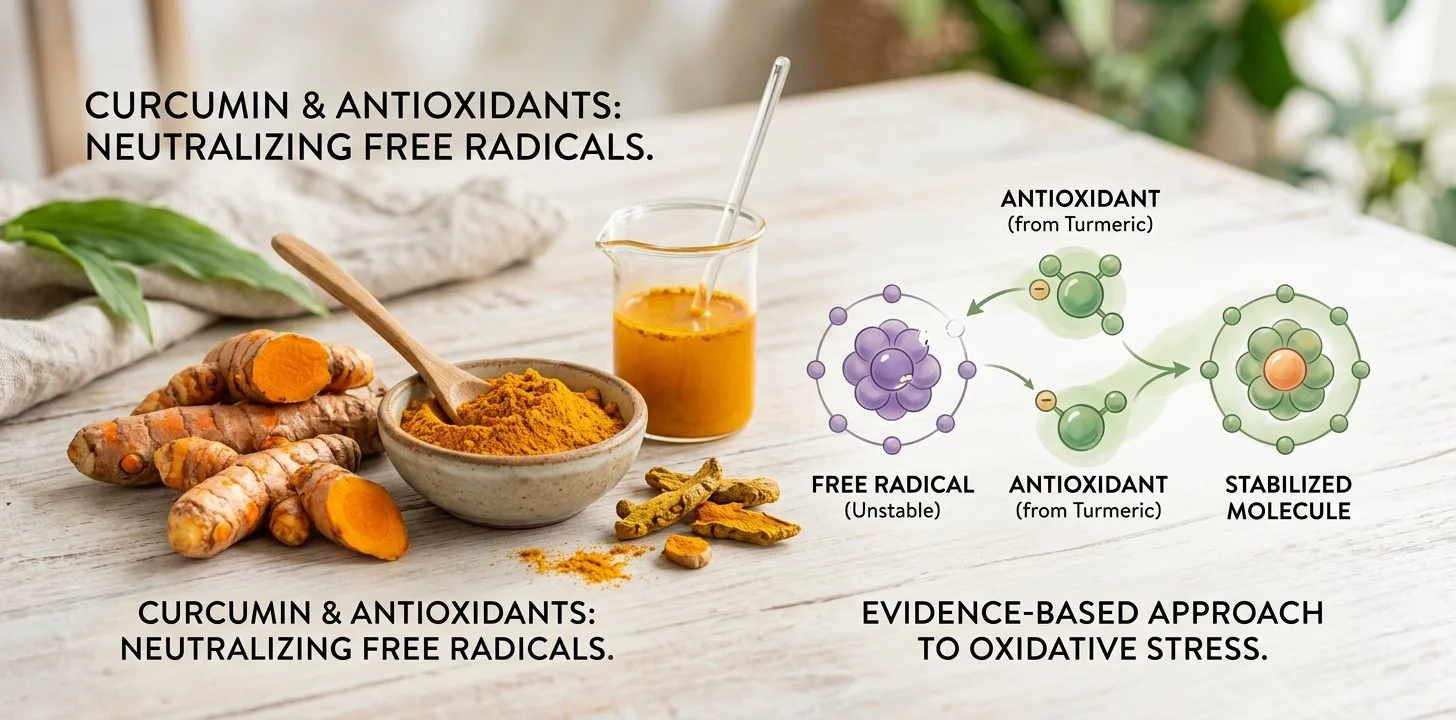
Turmeric is often described as an antioxidant, largely because of compounds called curcuminoids, including curcumin.
Antioxidants help protect cells from damage associated with unstable molecules known as free radicals. When the balance between free radicals and the body’s antioxidant defences is disturbed, this is known as oxidative stress.
Research suggests that curcumin can influence some markers associated with oxidative stress. However, this does not mean turmeric has been proven to prevent disease, slow ageing or provide every health benefit sometimes associated with antioxidants. Human research is considerably more complicated.
Turmeric contains compounds with antioxidant activity, particularly curcumin.
Laboratory research has shown that curcumin can interact with free radicals, while human studies suggest curcumin supplementation may affect some of the body’s antioxidant and oxidative-stress markers.
However, turmeric and curcumin are not the same thing, and evidence that curcumin changes a biological marker does not automatically mean that eating turmeric will prevent disease or slow ageing.
Explore other areas of turmeric and health:
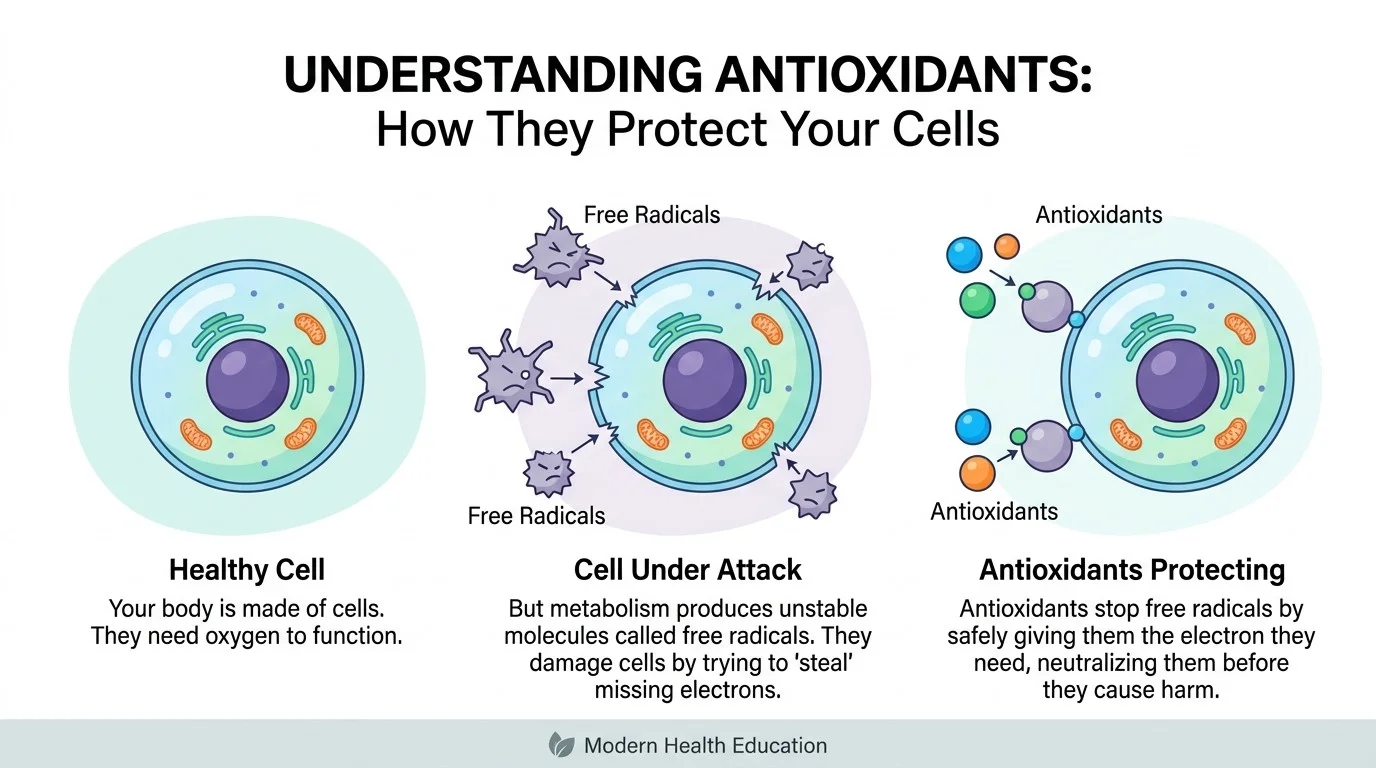
Antioxidants are substances that can interact with reactive molecules and form part of the body’s defence against oxidative damage.
People may investigate turmeric and antioxidants because they are interested in general health, inflammation, healthy ageing or protecting cells from oxidative stress.
Others simply encounter claims that turmeric is a “powerful antioxidant” and want to understand what that actually means.
Turmeric contains many plant compounds, but much of the antioxidant research focuses on curcuminoids, particularly curcumin.
Curcumin has demonstrated antioxidant activity in laboratory research and has also been investigated in human clinical trials.
Free radicals are produced continually through normal processes in the body. Environmental and lifestyle factors can also contribute to oxidative stress.
Free radicals themselves are not simply “bad”. The problem arises when their production and the body’s ability to manage them become unbalanced.
Turmeric comes from the rhizome of the Curcuma longa plant.
Curcumin is one of the naturally occurring curcuminoids within turmeric and is responsible for much of its characteristic yellow colour.
Although people usually search for turmeric antioxidants, researchers frequently investigate curcumin because it is one of turmeric’s best-known biologically active compounds.
This distinction matters because studies using concentrated curcumin extracts cannot automatically tell us what happens when somebody adds ordinary turmeric powder to their dinner.
Turmeric can be eaten as fresh root or powder and is also available in teas, drinks, capsules, tablets and concentrated extracts.
The amount and form of curcumin can differ substantially between food and supplements.
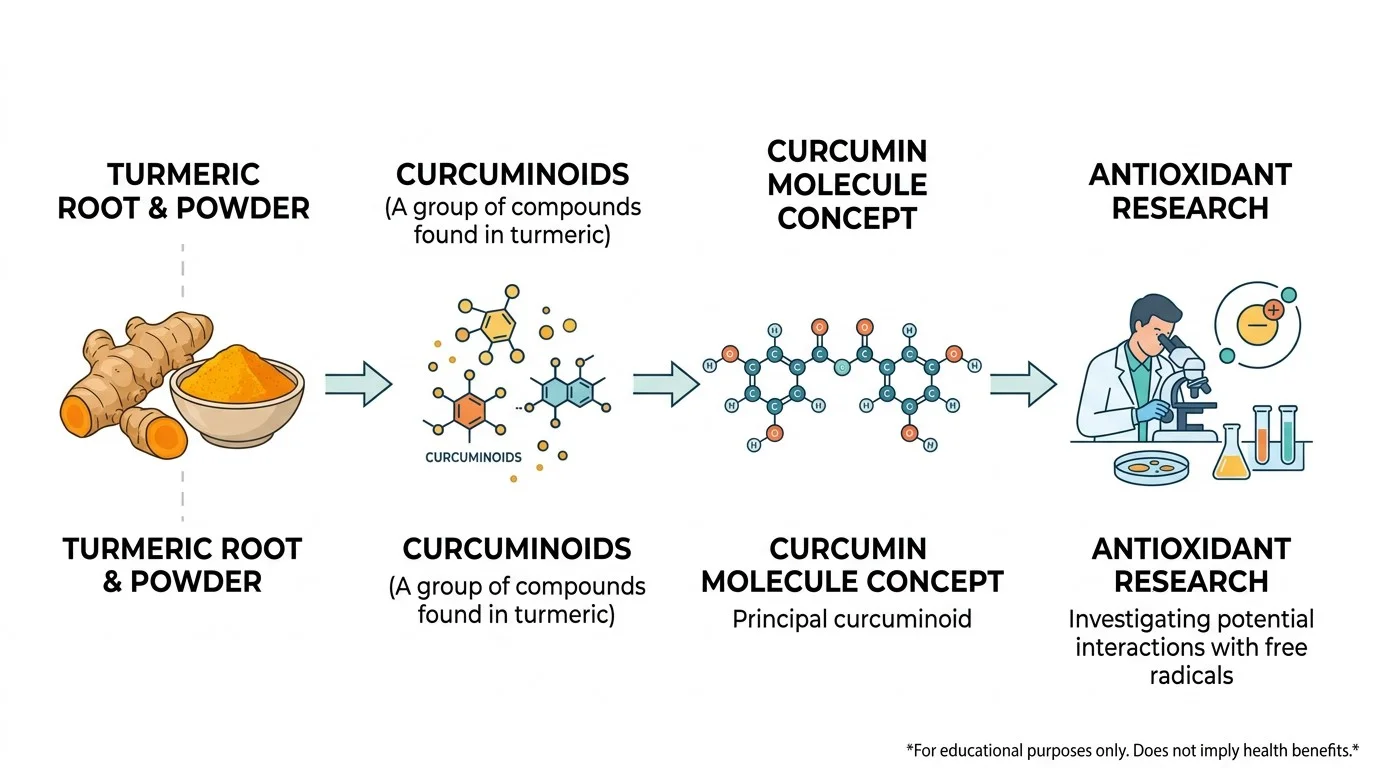
Turmeric contains curcuminoids, including curcumin, which is widely studied for its antioxidant activity.
An antioxidant is a substance that can help protect molecules in the body from certain types of oxidative damage.
The human body has its own antioxidant defence systems. Antioxidants are also present naturally in many foods, particularly fruit, vegetables, herbs and spices.
Rather than thinking of antioxidants as substances that simply “clean” the body, it is more accurate to think of them as part of a complicated system that helps maintain a healthy balance between oxidation and antioxidant defence.
Turmeric contains plant compounds that have demonstrated antioxidant activity, with curcumin receiving much of the scientific attention.
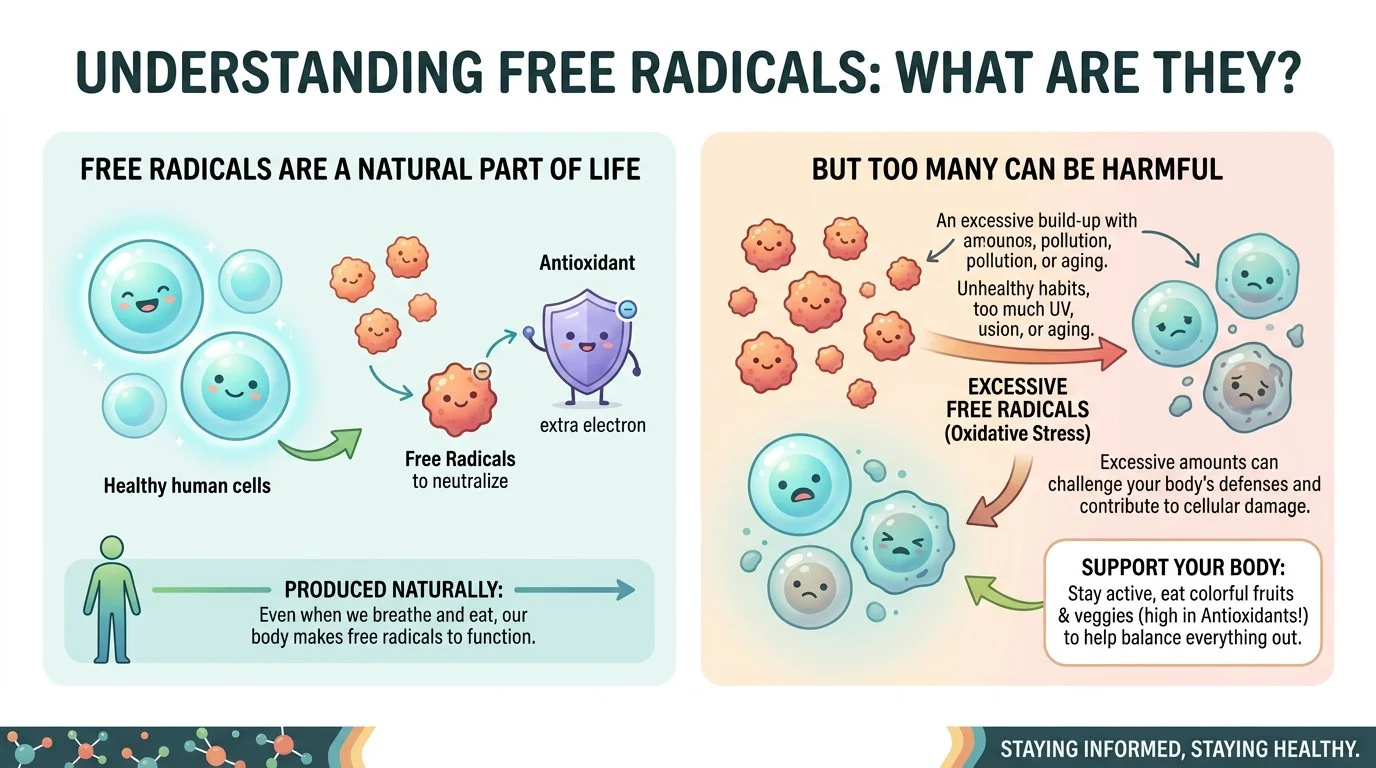
Free radicals are reactive molecules produced naturally in the body, but excessive amounts can contribute to oxidative stress.
Despite the name, free radicals aren’t a pop group.
They are highly reactive molecules that can be produced naturally during normal processes in the body.
Free radicals are not automatically harmful. They have biological functions, including roles in cell signalling and immune responses.
Problems can occur when excessive production of reactive molecules overwhelms the body’s ability to manage them.
This imbalance contributes to what scientists call oxidative stress.
Oxidative stress occurs when there is an imbalance between oxidants, including reactive molecules, and the body’s antioxidant defence systems.
Long-term oxidative stress has been studied in relation to ageing and numerous health conditions.
That does not mean oxidative stress is the single cause of ageing or disease. Human health is influenced by many interacting biological, environmental and lifestyle factors.
This distinction is particularly important when reading claims about turmeric. Reducing a laboratory marker associated with oxidative stress is not the same as proving that turmeric prevents a disease.
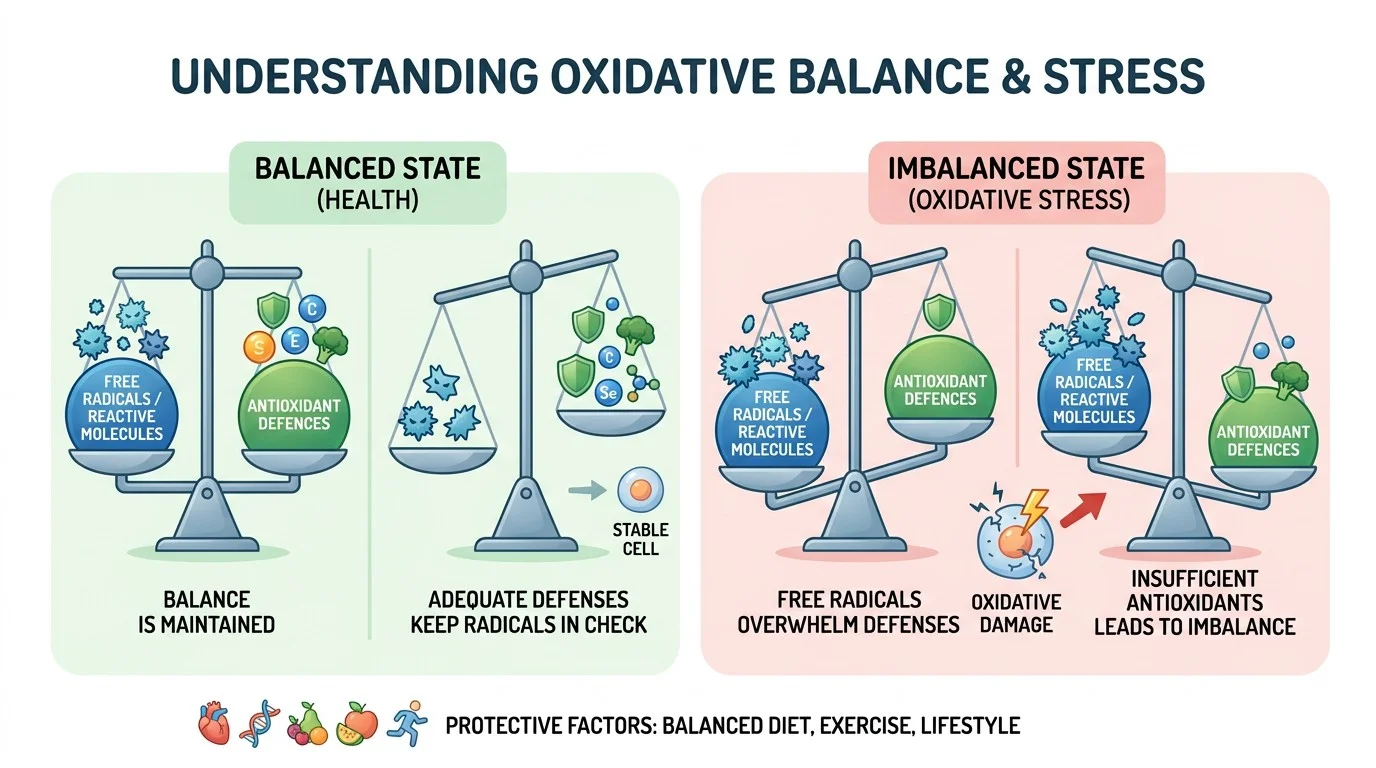
Oxidative stress can occur when reactive molecules and the body’s antioxidant defences become unbalanced.
Yes. Turmeric contains naturally occurring compounds capable of antioxidant activity.
The compounds receiving most attention are curcuminoids, which include:
Curcumin is the most widely researched of these.
However, whole turmeric is a complex food containing many different compounds. It should not be treated as though turmeric and isolated curcumin are identical.
Curcumin has demonstrated antioxidant activity in laboratory and human research.
Its possible effects appear more complicated than simply neutralising free radicals directly.
Research suggests curcumin may also influence parts of the body’s own antioxidant defence systems.
Meta-analyses of randomised controlled trials have reported changes in markers including malondialdehyde (MDA), superoxide dismutase (SOD), glutathione and total antioxidant capacity, although results vary according to the marker, study population and formulation used.
There are two broad ways researchers investigate curcumin’s antioxidant activity.
Curcumin can interact chemically with certain reactive molecules.
This is sometimes described as free-radical scavenging.
Curcumin has also been investigated for its effects on enzymes and other components involved in the body’s antioxidant systems.
These mechanisms are biologically interesting, but laboratory mechanisms should not be confused with proven health outcomes in people.
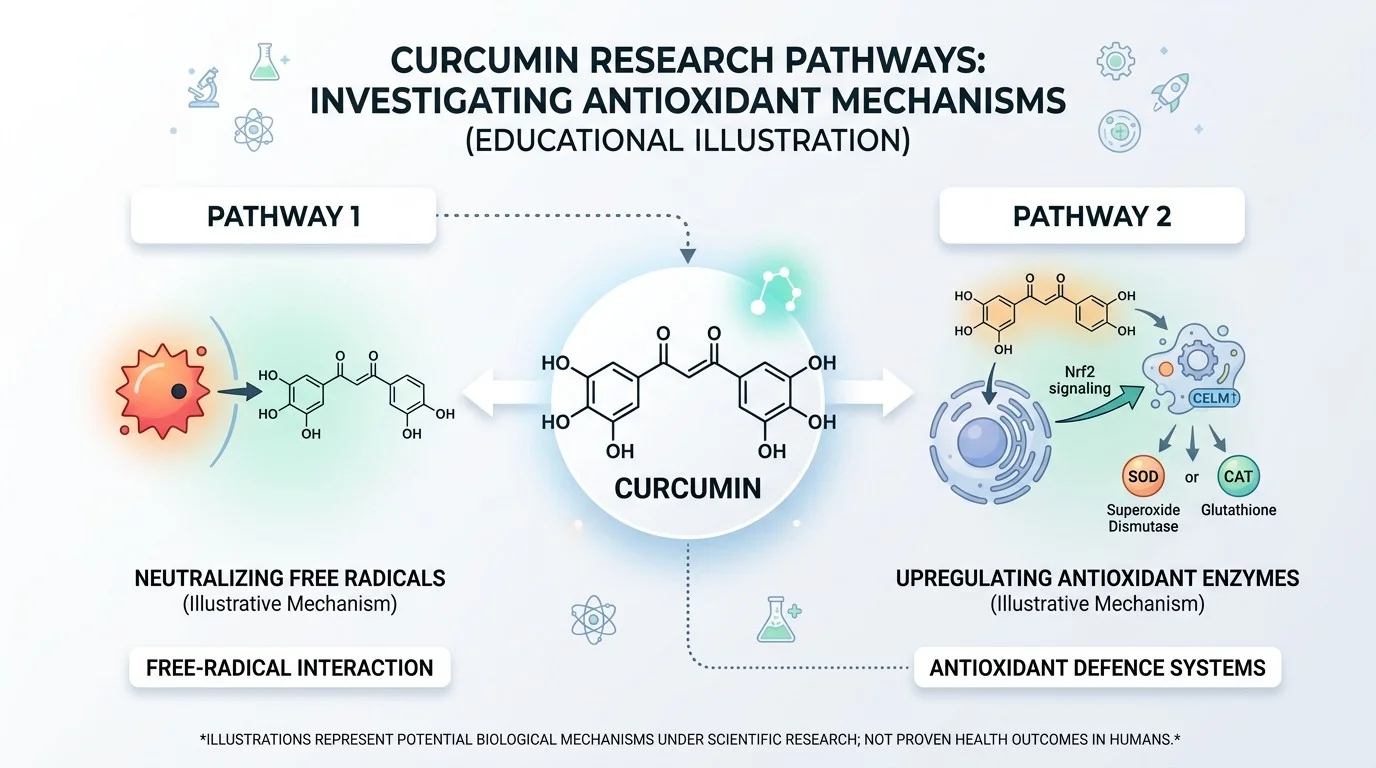
Researchers study curcumin both for its direct interactions with reactive molecules and its possible effects on antioxidant defence systems.
Human research provides some evidence that curcumin supplementation can influence markers associated with oxidative stress.
A 2020 meta-analysis of randomised clinical trials found an increase in total antioxidant capacity following curcumin supplementation, although only four studies involving 308 participants met the researchers’ inclusion criteria.
Another meta-analysis found reductions in malondialdehyde and increases in superoxide dismutase activity, although not every antioxidant marker changed significantly.
A much larger 2024 systematic review and meta-analysis examined 103 randomised controlled trials involving 7,216 participants across 42 outcomes. It found that curcumin could modify some inflammatory and oxidative parameters, but the certainty of evidence varied substantially between outcomes and the researchers called for larger, better-designed, long-term trials.
So, the sensible conclusion is not that antioxidants are meaningless, nor that turmeric is a miracle antioxidant.
There is evidence of biological antioxidant activity, but what those changes mean for an individual’s long-term health is much harder to establish.
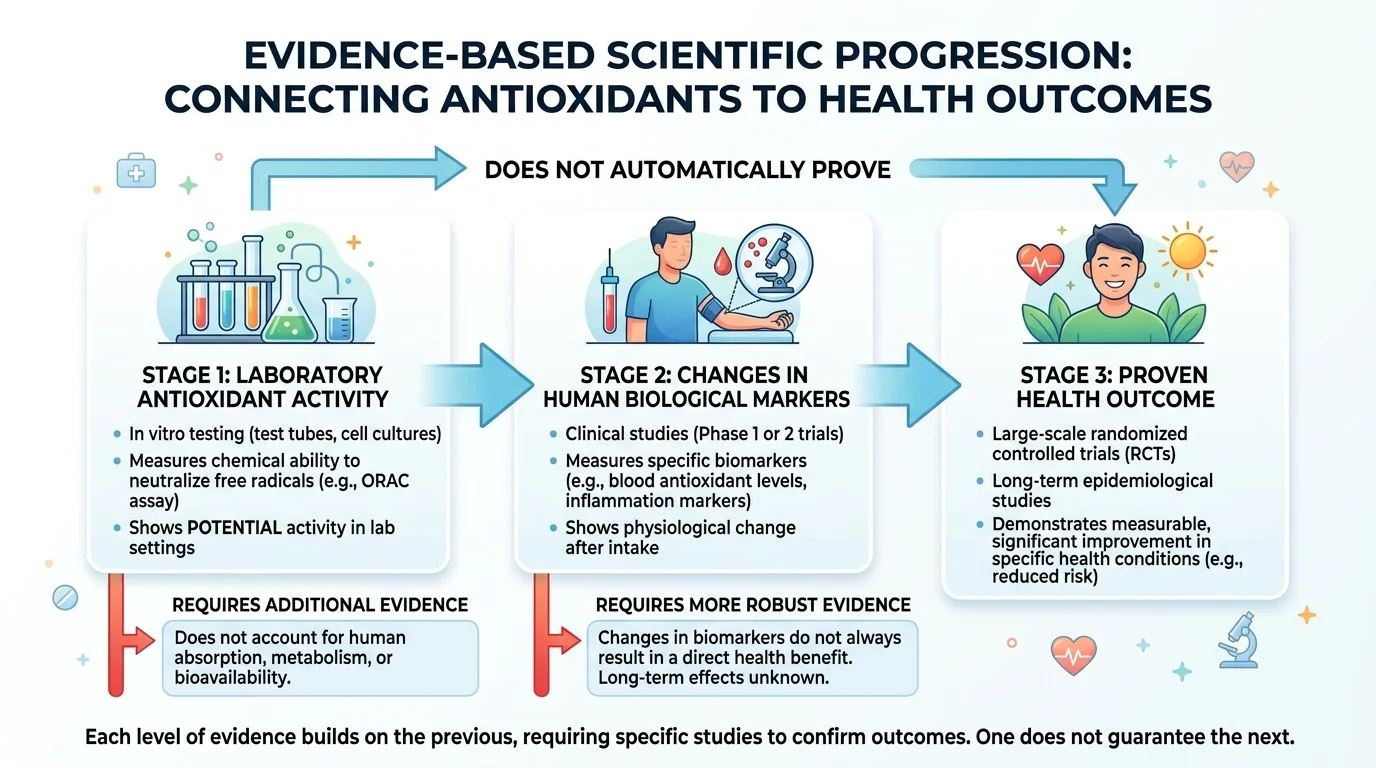
Evidence of antioxidant activity or changes in biological markers does not automatically prove that a substance prevents disease or improves long-term health.
Possibly, but we need to distinguish turmeric used as food from concentrated curcumin used in clinical research.
Many human trials investigating antioxidant markers use curcumin or standardised extracts at controlled doses.
That is very different from sprinkling turmeric powder into a curry.
Including turmeric within a varied diet can provide plant compounds with antioxidant activity, but it would be misleading to promise that ordinary dietary turmeric will produce the effects measured in supplement trials.
No.
Oxidative stress and inflammation are different biological processes, although they can interact with one another.
Curcumin has been studied for both antioxidant and anti-inflammatory effects, which is one reason the two subjects frequently appear together.
But they should not be treated as interchangeable terms.
For a detailed look at the second subject, see our guide to turmeric and inflammation.
This is where the claims can run ahead of the evidence.
Oxidative stress is one of many biological processes associated with ageing, which has led researchers to investigate curcumin in relation to healthy ageing.
A 2024 systematic review examining curcumin and healthy ageing identified 15 clinical trials and found areas of potential interest, including cognitive function, muscle health and processes associated with ageing. However, the researchers also highlighted gaps in the evidence and the need for further investigation.
So it is reasonable to say that curcumin is being researched in relation to healthy ageing.
It is not reasonable to conclude that turmeric has been proven to make people live longer, reverse ageing or keep somebody young.
This is an important distinction because your research shows that people are actively searching for turmeric in connection with anti-ageing.
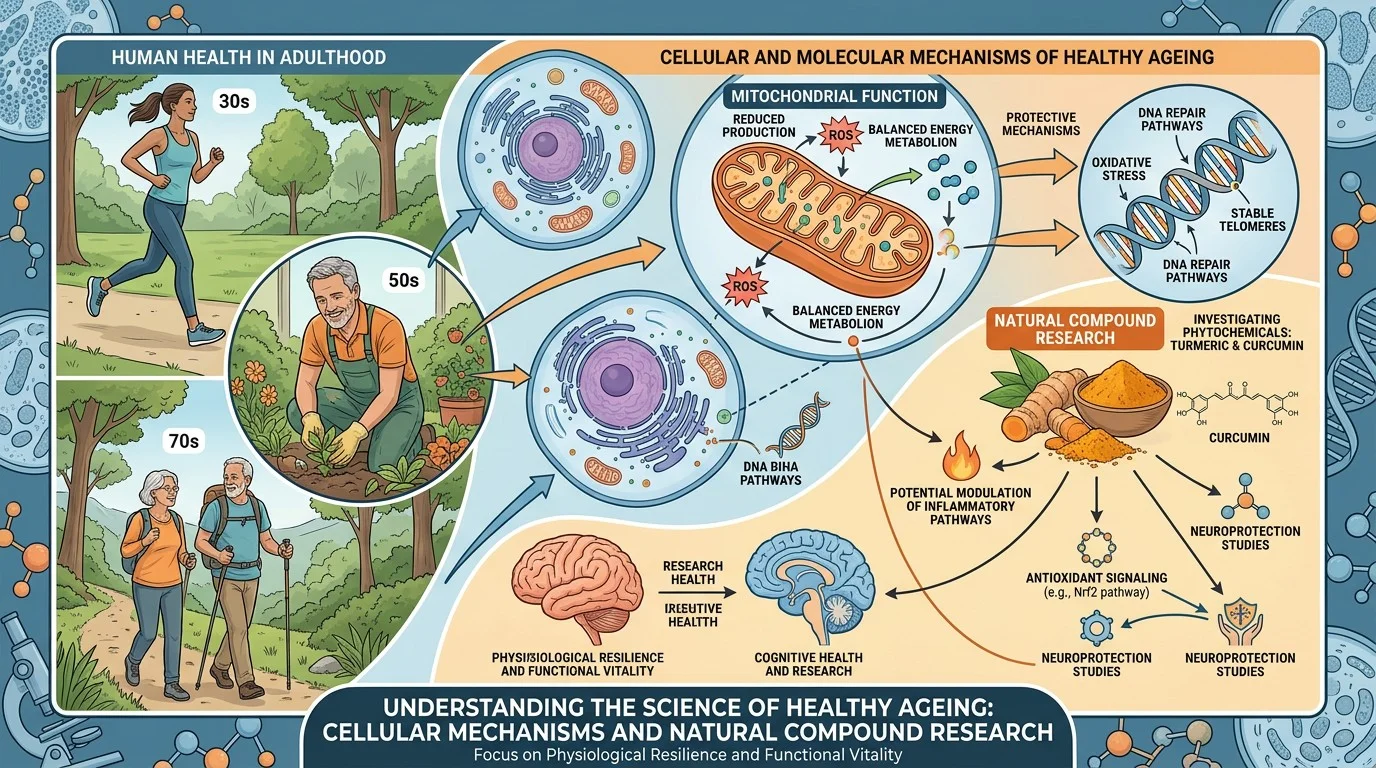
Curcumin is being researched in relation to oxidative stress and healthy ageing, but turmeric has not been proven to stop or reverse ageing.
They cannot be compared quite that simply.
Turmeric is the whole spice and contains curcumin alongside many other naturally occurring compounds.
Curcumin is one particular curcuminoid found within turmeric and is frequently isolated or concentrated for research and supplements.
Therefore, evidence from a curcumin supplement study should not automatically be presented as evidence that ordinary turmeric powder produces the same effect.
Yes.
Turmeric can be consumed as:
These forms can provide very different amounts and concentrations of curcuminoids.
For ordinary dietary use, turmeric can simply form part of a varied diet.
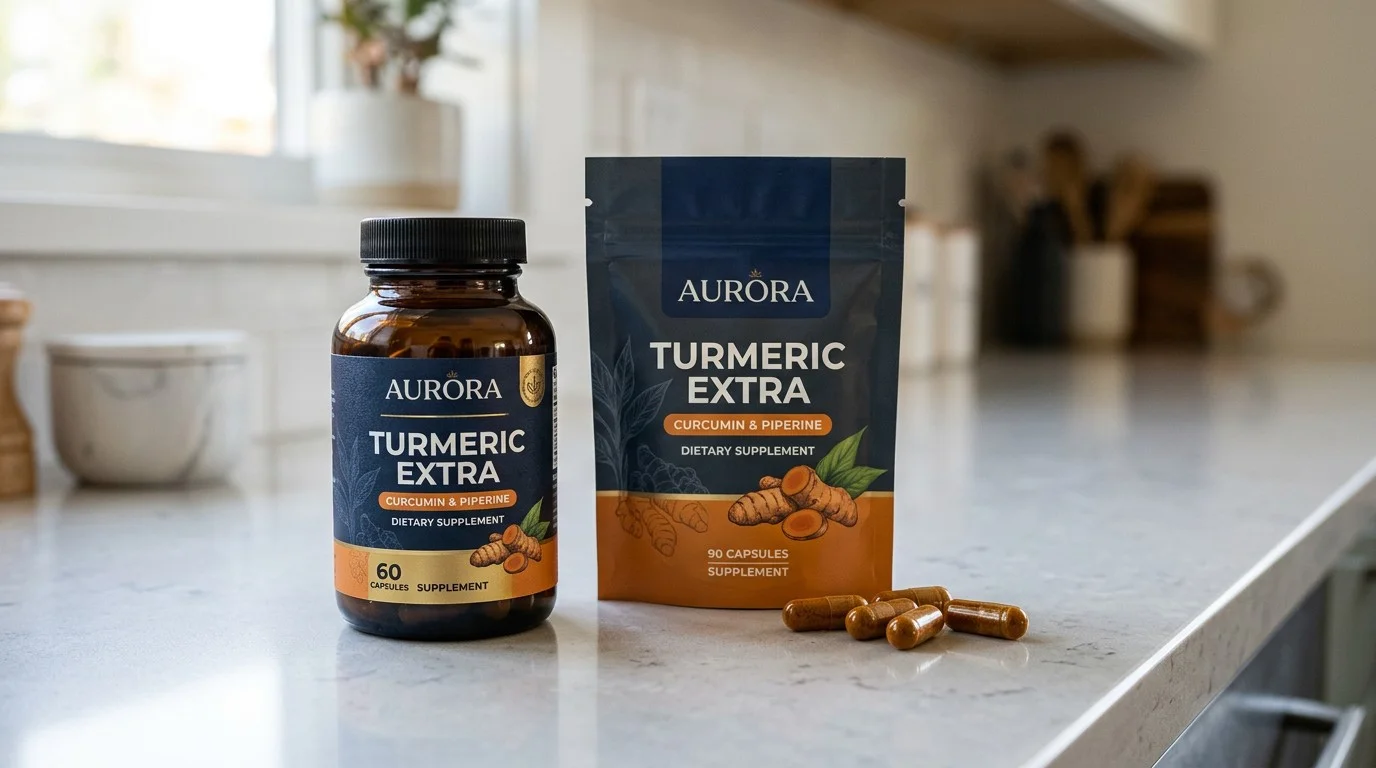
Supplement formulations are different because they may contain concentrated extracts or ingredients designed to increase curcumin absorption.
Black pepper contains piperine, which can increase the bioavailability of curcumin.
This is why black pepper is commonly added to some turmeric and curcumin supplements.
However, increased absorption does not automatically mean greater health benefits, and formulations designed to substantially increase bioavailability require additional safety consideration.
NCCIH notes both the use of piperine to improve curcumin bioavailability and reports of liver injury associated with some highly bioavailable curcumin products.
Free radicals are reactive molecules produced naturally in the body, but excessive amounts can contribute to oxidative stress.
Turmeric contains compounds with antioxidant activity, particularly curcumin. Describing it simply as a “powerful antioxidant”, however, can exaggerate what human research has established.
Curcumin can interact with reactive molecules and may influence the body’s antioxidant defence systems. Most detailed research concerns curcumin rather than ordinary dietary turmeric.
Turmeric contains several plant compounds with antioxidant properties. The best-known are curcuminoids, particularly curcumin.
Curcumin is one of the principal antioxidant compounds studied within turmeric, but turmeric contains many other compounds. Concentrated curcumin research cannot be directly compared with eating whole turmeric.
Heat can affect plant compounds, but cooking turmeric does not simply turn it into a food with no antioxidant activity. Cooking method, temperature and duration can all influence its chemical composition.
Turmeric is commonly consumed as a food or spice. Turmeric supplements are different because they may provide much higher or more concentrated amounts. There is no established need for everyone to take a daily turmeric supplement simply to obtain antioxidants.
They are not suitable for everyone. Conventional oral turmeric and curcumin products can cause side effects, while concentrated or enhanced-bioavailability formulations may present additional considerations.
Possible effects include nausea, stomach upset, acid reflux, diarrhoea and constipation. NCCIH also reports cases of liver injury associated with some highly bioavailable curcumin products.
Supplements can be unsuitable alongside some medicines or medical conditions. Speak to a doctor or pharmacist if you take medication or are unsure whether a turmeric or curcumin supplement is appropriate for you.
Turmeric contains compounds with antioxidant activity, particularly the curcuminoid curcumin.
Antioxidants are involved in protecting the body against oxidative damage associated with reactive molecules commonly known as free radicals.
Human trials suggest that curcumin supplementation can influence some markers of oxidative stress and antioxidant defence. However, study results vary, formulations differ and changes in biological markers should not automatically be interpreted as proof of disease prevention or longer life.
Turmeric can form part of a varied, healthy diet. Concentrated curcumin supplements are different from culinary turmeric and should not be assumed to provide the same effects.
Research into curcumin and healthy ageing is interesting, but turmeric has not been proven to stop or reverse human ageing.
For further information about turmeric, curcumin, antioxidants and oxidative stress, the following video and independent sources provide useful additional explanations and research. They are included for informational purposes only and should not be considered medical advice.
This video provides a simple visual explanation of oxidation, free radicals and antioxidants, helping explain some of the concepts discussed on this page.
For a broader independent overview, the National Center for Complementary and Integrative Health (NCCIH) provides information about turmeric and curcumin research, potential uses and important safety considerations.
For a closer look at the antioxidant evidence, this meta-analysis of randomised clinical trials examines the effects of curcumin supplementation on measures of antioxidant activity and oxidative stress.
For a wider view of the human evidence, this systematic review and meta-analysis of 103 randomised controlled trials examines numerous health and biological outcomes, including measures associated with oxidative stress.
The information on this page is provided for general informational purposes only and is not intended to diagnose, treat, cure or prevent any disease or medical condition.
Turmeric and curcumin supplements may not be suitable for everyone and may cause side effects or interact with medicines. Always read and follow the manufacturer’s label and instructions before using any supplement.
If you are pregnant or breastfeeding, take medication, have an existing medical condition or are considering changing an existing treatment, speak to a doctor, pharmacist or other appropriately qualified healthcare professional.
Do not stop or change prescribed medication based on information provided on this website.
Written by J. Henderson
Health & Wellness Research Writer
J. Henderson writes evidence-based articles on nutrition, botanical supplements and everyday wellbeing. His work focuses on translating scientific research into clear, practical guidance that helps readers make informed decisions about natural health products.