
Fresh Turmeric Root: Benefits, Nutrition, Uses and How to Store It
Overview
Fresh turmeric root is a bright orange-yellow rhizome that has been used in cooking and traditional herbal practices for centuries. While many people are familiar with turmeric powder, the fresh root offers a stronger aroma, a slightly peppery flavour and a crisp texture that works well in both savoury and sweet recipes.
It naturally contains curcumin, along with essential oils and other plant compounds that contribute to its distinctive colour and flavour. Fresh turmeric is increasingly popular in smoothies, teas, curries and homemade wellness drinks.
Whether you’re buying fresh turmeric root for cooking or simply want to understand its nutritional value, this guide covers everything you need to know.
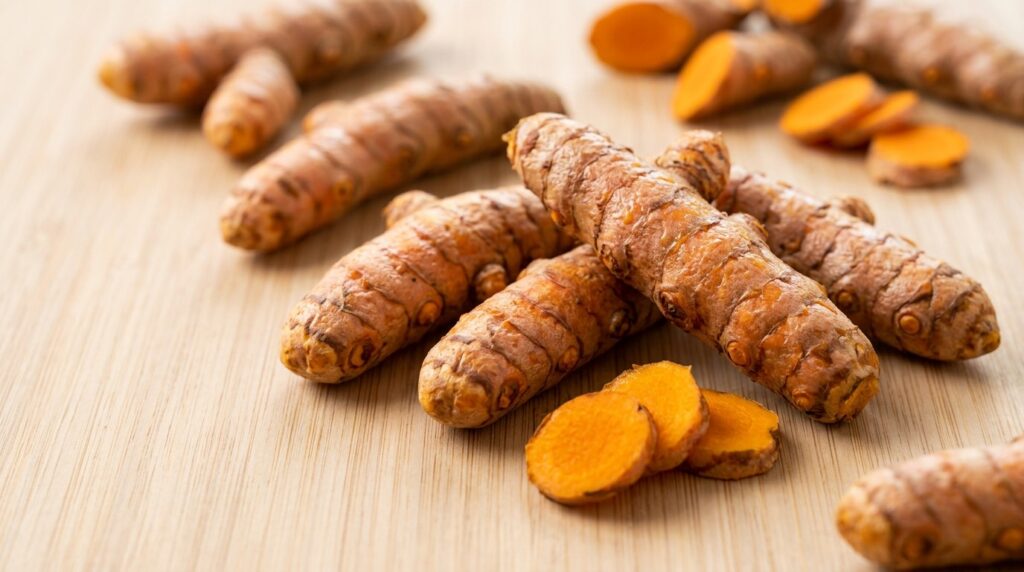
Fresh turmeric root resembles ginger but has a deeper orange interior and a more earthy, peppery flavour. It is widely used in curries, teas, juices and traditional herbal preparations.
- What is fresh turmeric root?
- Why is fresh turmeric root so popular?
- What nutrients does fresh turmeric contain?
- How can you use fresh turmeric root?
- How should fresh turmeric be prepared?
- How do you store fresh turmeric root?
- How does fresh turmeric compare with turmeric powder?
- Who should be careful when consuming fresh turmeric?
- Frequently Asked Questions
Quick Facts About Fresh Turmeric Root
| Feature | Fresh Turmeric Root |
|---|---|
| Botanical family | Ginger family (Zingiberaceae) |
| Plant part | Rhizome |
| Flavour | Earthy, peppery, slightly bitter |
| Colour | Bright orange-yellow |
| Main natural compound | Curcumin |
| Common uses | Cooking, teas, smoothies, curries, juices |
| Storage | Refrigerate or freeze |
| Typical shelf life | 2–4 weeks refrigerated |
What is fresh turmeric root?
Fresh turmeric root is the underground stem, known as a rhizome, of the turmeric plant (Curcuma longa). It closely resembles fresh ginger but has a much deeper orange interior.
The root has been cultivated throughout Asia for thousands of years and is widely used in Indian, Thai and Middle Eastern cooking. It is also valued in traditional herbal practices where it has long been associated with overall wellbeing.
Unlike dried turmeric powder, fresh turmeric has a brighter, fresher taste and retains more of its natural moisture.
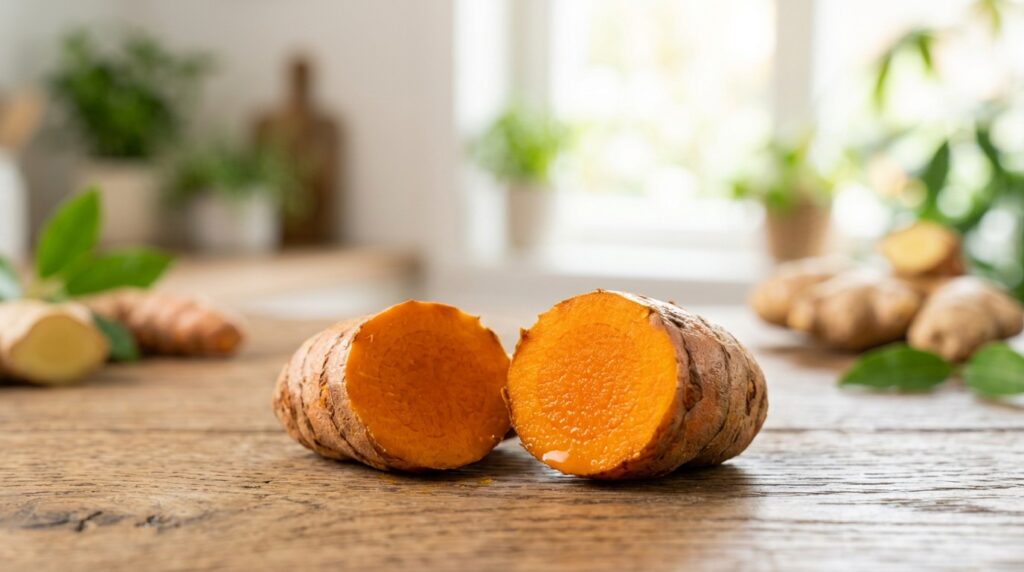
Unlike ginger, fresh turmeric contains intensely coloured orange flesh due to naturally occurring compounds called curcuminoids. These compounds are responsible for turmeric’s characteristic colour.
Why is fresh turmeric root so popular?
Fresh turmeric has become increasingly popular because many people prefer using whole foods instead of processed ingredients.
Some of the reasons people choose fresh turmeric include:
- Fresh, vibrant flavour
- Easy to grate into turmeric recipes
- Popular in smoothies and juices
- Contains naturally occurring curcumin
- Versatile ingredient for both sweet and savoury dishes
- Ideal for homemade turmeric tea
Many home cooks also appreciate that fresh turmeric provides a stronger aroma than powdered turmeric.
What nutrients does fresh turmeric contain?
Fresh turmeric contains a range of naturally occurring nutrients and plant compounds.
These include:
- Curcumin
- Dietary fibre
- Potassium
- Vitamin C (small amounts)
- Vitamin B6
- Manganese
- Iron
- Essential oils such as turmerone
The exact nutritional profile varies depending on growing conditions, harvest time and storage.
How can you use fresh turmeric root?
Fresh turmeric is surprisingly versatile and can be added to many everyday recipes.
Popular ways to use it include:
- Grated into curries
- Added to soups
- Blended into smoothies
- Juiced with ginger and lemon
- Infused into herbal teas
- Mixed into rice dishes
- Added to salad dressings
- Included in marinades
- Used in homemade wellness shots
Because turmeric can stain hands and chopping boards, many people wear disposable gloves or use a dedicated cutting board when preparing it.
How should fresh turmeric be prepared?
Preparation is simple.
Wash the root thoroughly under running water. Young turmeric often does not require peeling, while older roots may benefit from having the skin removed with a spoon or vegetable peeler.
Fresh turmeric can then be:
- Grated
- Finely chopped
- Sliced
- Crushed
- Blended whole
Black pepper is frequently paired with turmeric in recipes because piperine can increase the absorption of curcumin.
Healthy fats such as olive oil or coconut oil are also commonly included in turmeric-based dishes.
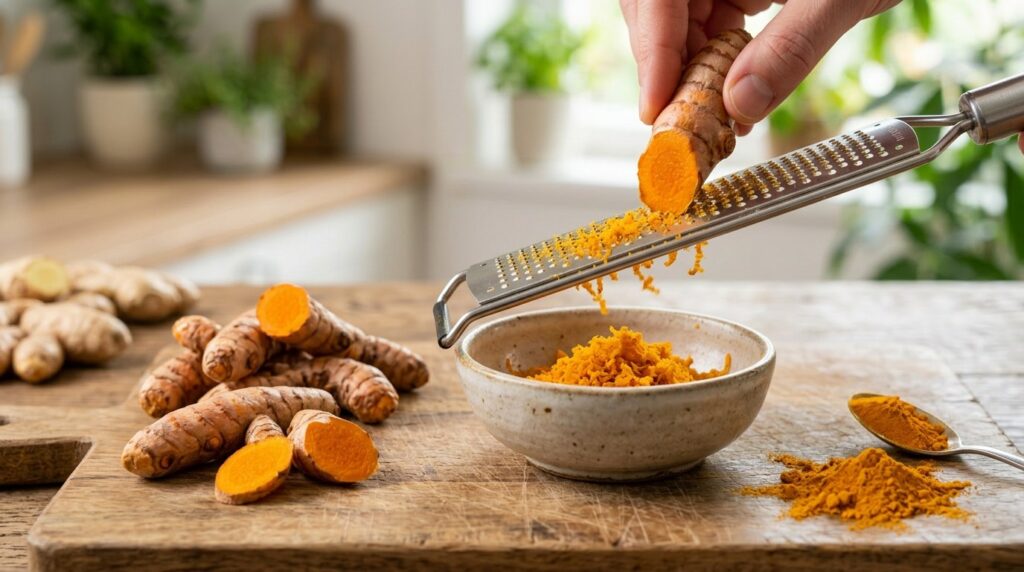
Many cooks prefer fresh turmeric because it delivers a brighter flavour than dried turmeric powder. Grated turmeric can be added to both savoury dishes and drinks.
How do you store fresh turmeric root?
Fresh turmeric stores well when kept cool and dry.
For best results:
- Store unwashed in the refrigerator.
- Keep it inside a paper towel within a sealed container.
- Freeze whole roots for long-term storage.
- Grate directly from frozen if required.
Avoid leaving fresh turmeric at room temperature for extended periods, as it can dry out or spoil more quickly.
How does fresh turmeric compare with turmeric powder?
Although both come from the same plant, there are several differences.
| Fresh Turmeric | Turmeric Powder |
|---|---|
| Higher moisture content | Completely dried |
| Brighter flavour | More concentrated earthy flavour |
| Fresh aroma | Longer shelf life |
| Needs refrigeration | Stores in cupboard |
| Great for juices and smoothies | Better for spice blends |
Both forms can be useful depending on the recipe. Fresh turmeric is generally preferred where flavour and freshness are important, while powder offers greater convenience.
Who should be careful when consuming fresh turmeric?
Fresh turmeric is considered safe as part of a balanced diet for most healthy adults.
However, some people should seek medical advice before regularly consuming large amounts, including those who:
- Take blood-thinning medication
- Have gallbladder conditions
- Are due to undergo surgery
- Have certain digestive disorders
- Are pregnant and considering high supplemental intakes
Using fresh turmeric in normal cooking is generally different from taking concentrated supplements.
Frequently Asked Questions
Is fresh turmeric root better than turmeric powder?
Can you eat fresh turmeric root raw?
How long does fresh turmeric root last?
Does fresh turmeric stain?
Can you freeze fresh turmeric root?
Conclusion
Fresh turmeric root is a versatile ingredient that brings colour, flavour and natural plant compounds to a wide variety of dishes. Whether used in curries, teas, smoothies or juices, it offers an easy way to incorporate fresh turmeric into everyday cooking.
Choosing quality roots, storing them correctly and preparing them carefully helps you get the best flavour and texture while reducing waste.
Disclaimer
This article is provided for general educational and informational purposes only and should not be considered medical advice. Fresh turmeric is not intended to diagnose, treat, cure or prevent any disease. Always consult a qualified healthcare professional before making significant dietary changes or using turmeric for health-related purposes, particularly if you have an existing medical condition, are pregnant or breastfeeding, or take prescription medication.
Related Studies, Articles and Guides
- Turmeric Benefits – Johns Hopkins Medicine — An evidence-based article explaining the potential health benefits of fresh turmeric, including its antioxidant and anti-inflammatory properties, current research and practical ways to include it in your diet.
- Turmeric: Usefulness and Safety – NCCIH — A comprehensive overview from the U.S. National Center for Complementary and Integrative Health, summarising the evidence for turmeric and curcumin and important safety considerations.
- Top 11 Health Benefits of Turmeric – BBC Good Food — Written by a registered nutritionist, reviewing the nutritional profile of fresh turmeric, curcumin and the scientific evidence behind its potential health benefits.
Written and reviewed by the Nutrition Whizz Editorial Team.