
Is Turmeric Good for Arthritis?
Quick Answer
Yes, turmeric may help some people with arthritis, particularly osteoarthritis, thanks to its natural anti-inflammatory compound called curcumin. Research suggests it can reduce joint pain and improve mobility in some people, although results vary. Turmeric is not a cure for arthritis and should be used alongside, not instead of, medical treatment recommended by your healthcare professional.
Table of Contents
Healthy Ingredients and Turmeric
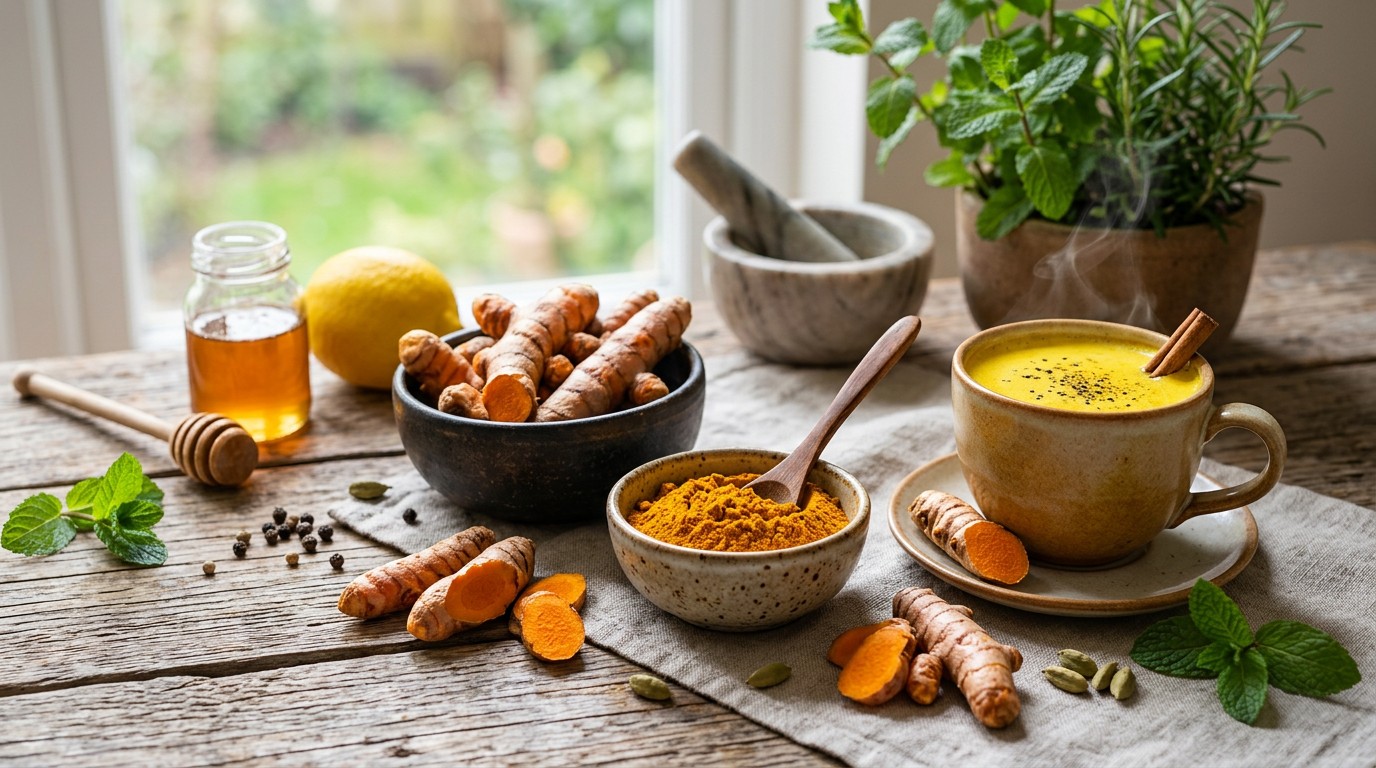
Turmeric together with a healthy diet may help joint pain and arthritis
Is Turmeric Good for Arthritis?
Many people living with arthritis look for natural ways to ease everyday joint pain and stiffness. One remedy that regularly comes up is turmeric, a bright yellow spice commonly used in cooking and traditional herbal practices. So, is turmeric actually good for arthritis?
The simple answer is it can be.
Turmeric contains curcumin, a natural plant compound that has anti-inflammatory and antioxidant properties. Since inflammation plays a major role in many forms of arthritis, researchers have spent years studying whether curcumin can help reduce symptoms.
Current evidence suggests that turmeric may help improve joint comfort and movement, particularly for people with osteoarthritis. Some studies have even found that certain curcumin supplements provide pain relief comparable to some over-the-counter anti-inflammatory medicines for mild to moderate symptoms, although they should never replace prescribed treatment without medical advice.
While turmeric isn’t a miracle cure, it may be a useful addition to an overall arthritis management plan that includes exercise, maintaining a healthy weight, medication where needed, and a balanced diet.
Why Turmeric May Help Arthritis
The key ingredient responsible for turmeric’s potential benefits is curcumin. Curcumin works in several ways that may benefit aching joints.
It Helps Reduce Inflammation
Inflammation is the body’s natural response to injury and infection. However, ongoing inflammation inside the joints can contribute to pain, swelling and stiffness.
Research suggests curcumin may help regulate some of the body’s inflammatory processes, which is why it has attracted attention as a natural option for joint health.
It Acts as an Antioxidant
Free radicals can damage healthy cells over time. Curcumin helps neutralise these unstable molecules, reducing oxidative stress that may contribute to joint damage and ageing.
It May Improve Joint Comfort
Many people report feeling less stiff and more comfortable after taking turmeric consistently for several weeks. Although everyone’s experience is different, these findings are supported by a growing number of clinical studies.
What Does the Research Say?
Scientific research into turmeric and arthritis continues to grow.
Several clinical trials have found that curcumin supplements may help reduce:
- Joint pain
- Morning stiffness
- Swelling
- Reduced mobility
The strongest evidence currently relates to osteoarthritis, particularly affecting the knees.
Some studies suggest people taking concentrated curcumin experienced similar improvements in pain and movement to those taking certain non-steroidal anti-inflammatory drugs (NSAIDs), although not every study has found the same results.
Researchers generally agree that curcumin appears promising, but larger, long-term studies are still needed to understand exactly how effective it is and who benefits most.
One important point is that eating turmeric in food provides relatively small amounts of curcumin. Most research has focused on concentrated supplements designed for better absorption.
Including turmeric in everyday meals is an easy way to enjoy its natural compounds.

Turmeric and curcumin are widely researched for its potential to support people with arthritis.
Which Type of Arthritis Can Turmeric Help?
Osteoarthritis
This is where turmeric has been studied the most.
People with osteoarthritis often experience wear and tear in their joints, leading to pain and stiffness. Curcumin may help reduce inflammation around affected joints and improve comfort.
Rheumatoid Arthritis
Rheumatoid arthritis is an autoimmune condition where the immune system attacks healthy joints.
Early research suggests turmeric may help reduce inflammation linked with rheumatoid arthritis, but it should never replace disease-modifying medication prescribed by a specialist.
Other Joint Conditions
Researchers are also investigating turmeric’s potential role in other inflammatory joint conditions, but evidence remains limited.
How to Take Turmeric for Arthritis
There are several ways to include turmeric in your routine.
Cooking
Creating turmeric recipes for meals is a simple way to enjoy its flavour and nutritional value.
Popular choices include:
- Curries
- Soups
- Rice dishes
- Roasted vegetables
- Smoothies
Golden Milk
A popular drink is Golden milk which combines turmeric with milk or a dairy-free alternative, black pepper and warming spices.
Supplements
Many people with arthritis choose turmeric supplements which contain curcumin because they provide much higher concentrations than food alone.
Look for products that include black pepper extract (piperine) or other enhanced absorption ingredients, as curcumin is naturally difficult for the body to absorb.
Always follow the manufacturer’s dosage guidance and consult a healthcare professional before starting supplements.
Are There Any Side Effects?
Turmeric used in cooking is generally considered safe for most people. However, concentrated supplements may occasionally cause:
- Indigestion
- Nausea
- Diarrhoea
- Acid reflux
Turmeric supplements can also interact with certain medications, including:
- Blood thinners
- Diabetes medication
- Some chemotherapy medicines
If you are pregnant, breastfeeding, scheduled for surgery or have gallbladder problems, seek medical advice before taking turmeric supplements.
Frequently Asked Questions
Does turmeric really help arthritis?
Research suggests turmeric may reduce joint pain and stiffness for some people, particularly those with osteoarthritis. However, results vary, and it is not a cure.
How long does turmeric take to work for arthritis?
Some studies report improvements after four to twelve weeks of regular supplementation, although this varies between individuals.
Is turmeric better than anti-inflammatory tablets?
Using different forms of Turmeric should not replace prescribed medication. Some research suggests concentrated curcumin supplements may provide similar symptom relief for mild osteoarthritis, but medical advice should always be followed.
Can I take turmeric every day?
Most people can safely eat turmeric daily as part of a balanced diet. If taking turmeric supplements every day, follow dosage instructions and check with your healthcare professional if you take medication.
What is the difference between Turmeric and Curcumin?
Turmeric is the whole yellow spice, while curcumin is its main active compound. In other words, turmeric contains curcumin, but curcumin is only a small part of turmeric and is usually more concentrated in supplements.
Final Thoughts
Turmeric has become one of the most researched natural ingredients for joint health, and with good reason. Its active compound, curcumin, has shown promising anti-inflammatory and antioxidant effects that may help reduce arthritis symptoms in some people.
Although it isn’t a cure and won’t work for everyone, many people with osteoarthritis find it a helpful addition to their overall treatment plan. Eating turmeric regularly or using a high-quality supplement may support joint comfort when combined with exercise, weight management and appropriate medical care.
If you have rheumatoid arthritis or another long-term condition, always discuss supplements with your GP or specialist before making changes to your treatment.
Disclaimer
This article is provided for general information only and should not be taken as medical advice. Turmeric and curcumin supplements are not intended to diagnose, treat, cure or prevent any disease. Always speak with your GP, pharmacist or another qualified healthcare professional before taking supplements, especially if you are pregnant, breastfeeding, have an existing medical condition or take prescription medication.
Further Reading
1. Versus Arthritis
Description: UK charity offering trusted information about arthritis, treatments, exercise and managing everyday symptoms.
URL: https://versusarthritis.org/
2. National Center for Complementary and Integrative Health (NCCIH) – Turmeric
Description: Evidence-based guidance covering turmeric, curcumin, current research, safety and possible side effects.
URL: https://www.nccih.nih.gov/health/turmeric
3. NHS – Arthritis
Description: Official NHS advice on arthritis symptoms, diagnosis, treatments and self-management.