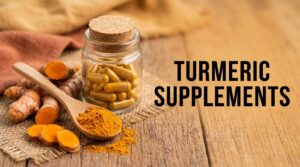
What is Curcuma Longa?
Curcuma longa is the scientific name for the plant commonly known as turmeric. It is a perennial herb in the ginger family, Zingiberaceae, and its underground rhizomes are used to produce the familiar bright-yellow turmeric spice. Curcuma longa is particularly associated with South and Southeast Asia, where turmeric has a long history of culinary and traditional use. The rhizome contains naturally occurring compounds called curcuminoids, including curcumin, which have been extensively studied for their biological properties.
Although Curcuma longa and curcumin are closely related terms, they are not the same thing. Curcuma longa refers to the whole plant species, turmeric usually refers to its dried or fresh rhizome used as a food and botanical ingredient, while curcumin is one of the principal curcuminoids found in turmeric.
This distinction is important when looking at research because studies of concentrated curcumin extracts cannot automatically be applied to ordinary turmeric used in cooking.
Related guide: For a broader overview of turmeric, including its uses, nutrition, potential benefits and safety, see our complete guide to turmeric.
Quick answer: What is Curcuma longa?
Curcuma longa is the scientific name for turmeric, a perennial plant in the ginger family (Zingiberaceae). Its underground rhizome is harvested and processed to produce turmeric spice and contains naturally occurring compounds called curcuminoids, including curcumin.
Key facts:
- Scientific name: Curcuma longa L.
- Common name: Turmeric
- Plant family: Zingiberaceae, the ginger family
- Part commonly used: Underground rhizome
- Main recognised compounds: Curcuminoids, including curcumin
- Traditional and culinary use: Particularly widespread in South and Southeast Asian cultures
- Modern research: Curcumin and turmeric extracts have been studied for antioxidant, anti-inflammatory and other biological effects
- Important distinction: Turmeric powder, turmeric extracts and purified curcumin are different preparations and should not be treated as interchangeable
Kew’s Plants of the World Online recognises Curcuma longa as an accepted species and describes it as a rhizomatous geophyte cultivated for its rhizomes.
Curcuma longa turmeric plant
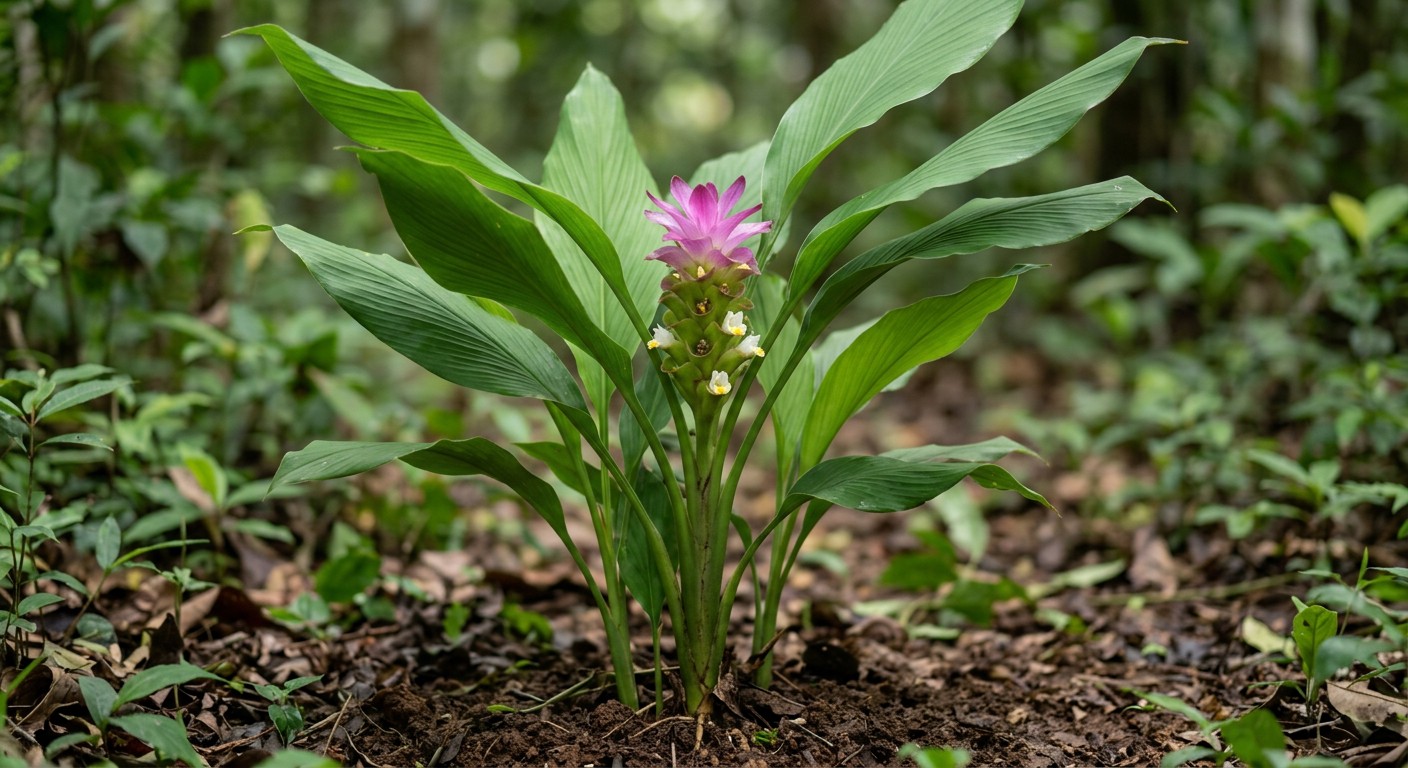
Curcuma longa, the turmeric plant, showing its leaves and flowering structure.
Table of Contents
- What does Curcuma longa mean?
- What does the Curcuma longa plant look like?
- Where does Curcuma longa come from?
- Curcuma longa vs turmeric vs curcumin
- What is found in Curcuma longa?
- Potential benefits and areas of research
- Advantages of Curcuma longa
- Disadvantages and safety considerations
- How Curcuma longa is used
- Frequently asked questions
- Summary
- Further Information and articles
- Sources
Curcuma longa vs turmeric vs curcumin
These three terms are often used as though they mean the same thing, but they describe different things.
| Term | What it means | Main point |
| Curcuma longa | The scientific name of the turmeric plant | Refers to the species |
| Turmeric | The common name for the plant and its processed rhizome | Commonly used as a spice |
| Curcumin | A major curcuminoid found in turmeric | One compound studied extensively in research |
| Curcuminoids | A group of compounds including curcumin, demethoxycurcumin and bisdemethoxycurcumin | Naturally occurring constituents of turmeric |
Curcuminoids are among the best-studied compounds in Curcuma longa. Research describes curcuminoids as a group that includes curcumin, demethoxycurcumin and bisdemethoxycurcumin.
This difference matters when interpreting health claims. A clinical study using a standardised curcumin extract may involve a substantially different amount and form of the compound than someone would consume by adding turmeric powder to food.
Fresh Curcuma longa rhizome
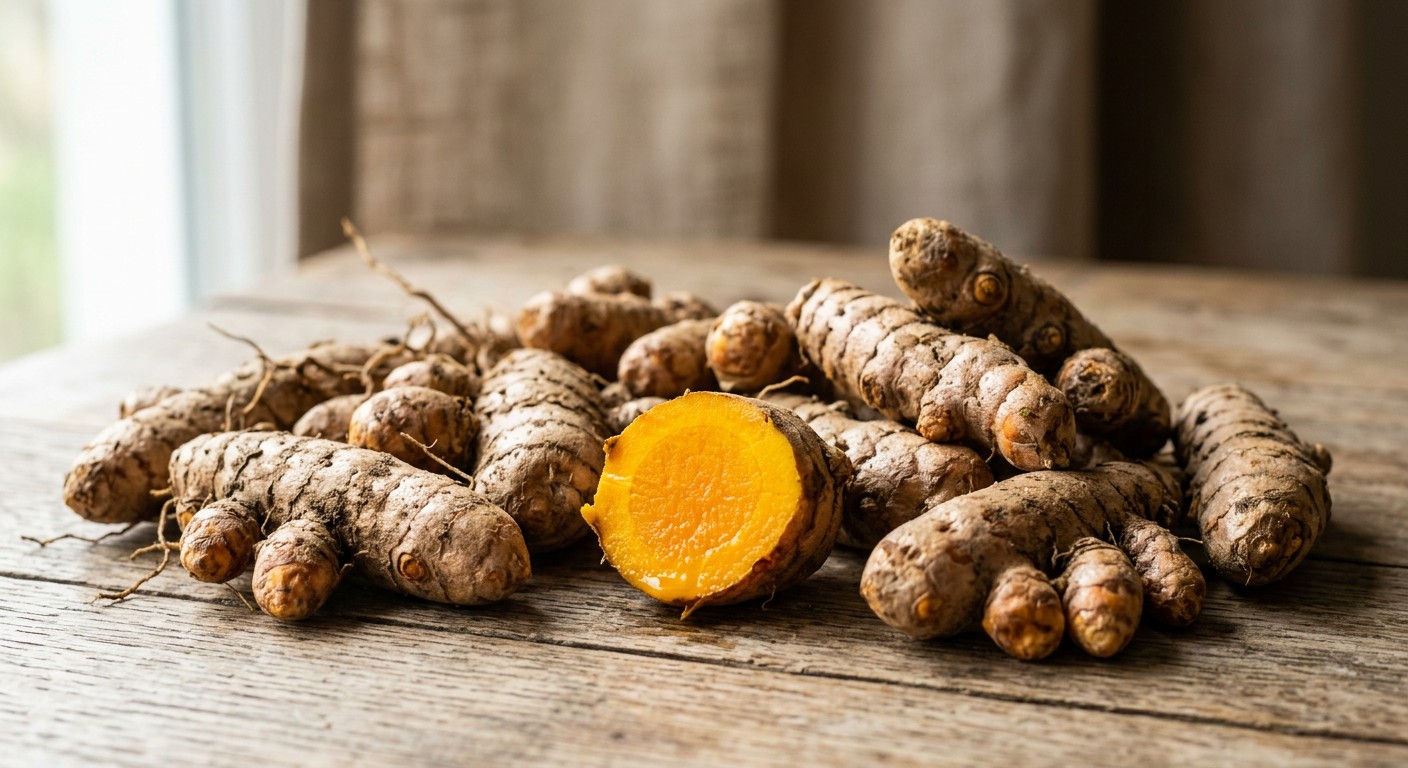
Fresh Curcuma longa rhizomes, the underground stems used to produce turmeric.
What does the Curcuma longa plant look like?
Curcuma longa is an upright perennial herb that can grow to approximately 1 metre tall. It has large, elongated green leaves and develops an underground rhizome. The rhizome is the most economically important part of the plant because it provides the material used to make turmeric spice and many turmeric preparations.
The rhizome is sometimes casually described as a root, but botanically it is an underground stem. This is an important distinction because the rhizome is also responsible for vegetative reproduction.
Kew notes that Curcuma longa is effectively a cultivated plant rather than a species known to occur naturally in the wild. It reproduces through its rhizomes rather than viable seed.
After harvesting, turmeric rhizomes can be cleaned, cooked and dried before being sold whole or ground into powder. Processing helps develop the characteristic colour and aroma associated with turmeric.
Curcuma longa botanical close-up
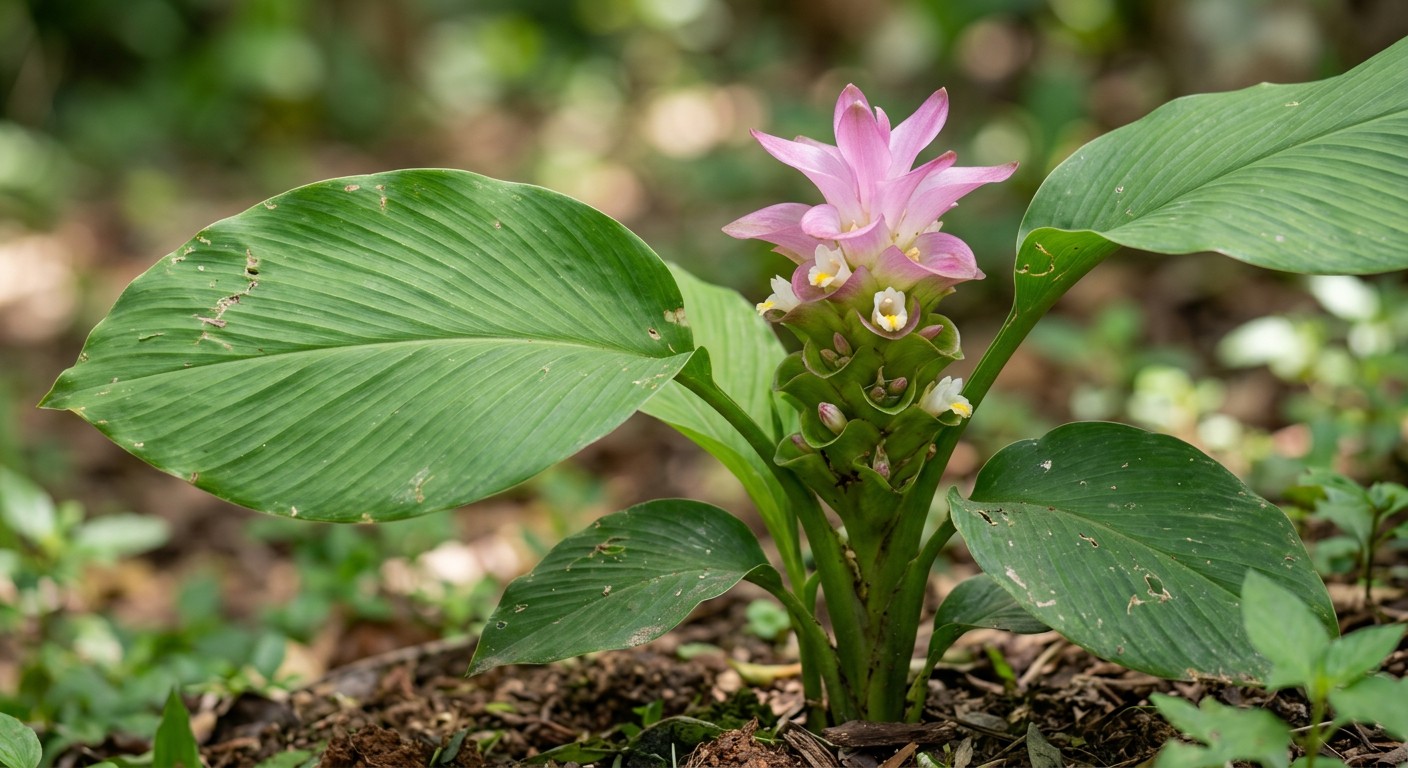
Close-up view of the leaves and flowering structure of Curcuma longa.
Where does Curcuma longa come from?
Curcuma longa has strong historical and cultural associations with South and Southeast Asia, particularly India. Kew lists India as its native range and describes the species as a cultivated plant. It is now grown in numerous countries across tropical and subtropical regions.
India is particularly important to global turmeric production, consumption and trade. Turmeric is also cultivated in countries including Bangladesh, China, Thailand, Cambodia, Malaysia, Indonesia and the Philippines.
Turmeric has been used as a culinary spice and colouring ingredient for centuries, while different traditional medical systems have also used preparations derived from Curcuma species.
Traditional use, however, should not automatically be interpreted as proof that a particular health effect has been established by modern clinical research.
Where does Curcuma Longa come from?
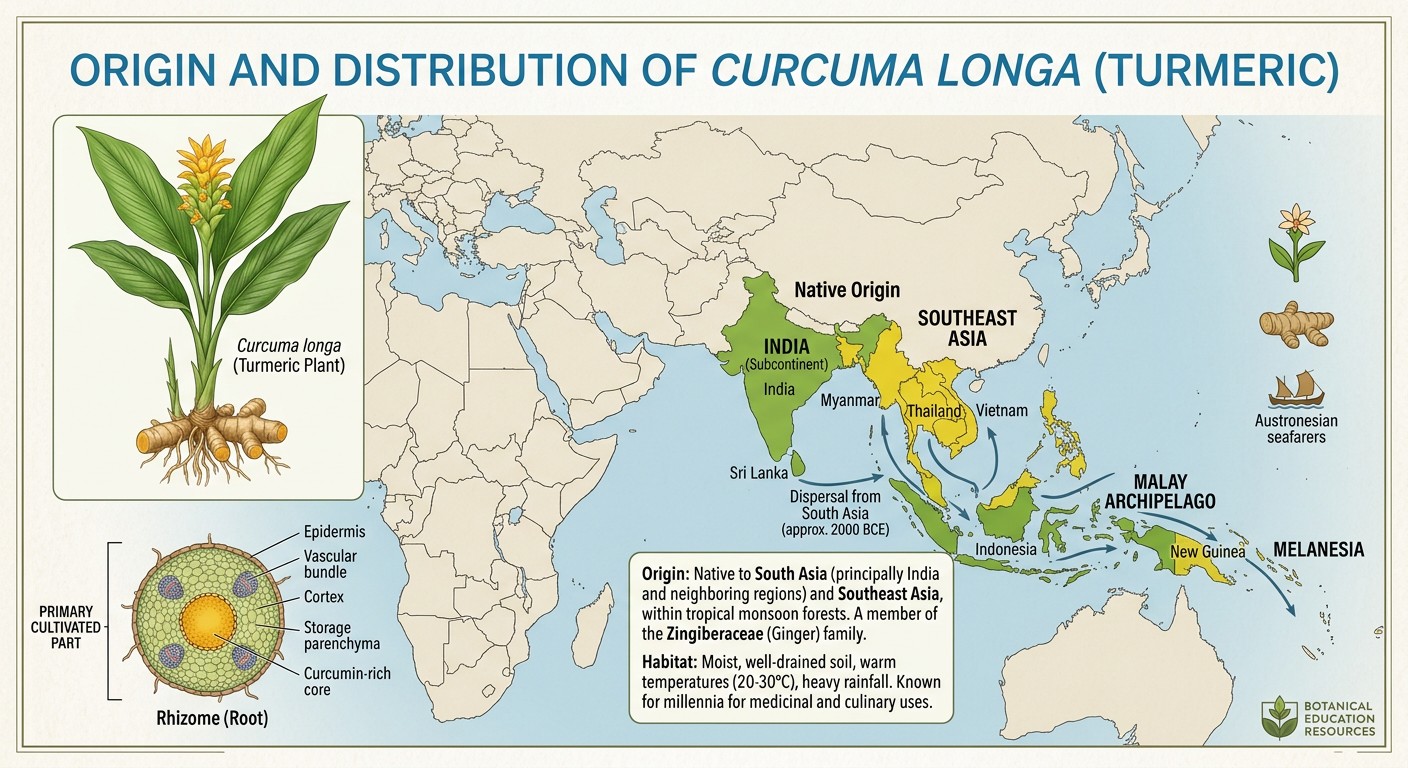
Curcuma Longa is native to South Asia, principally India and neighbouring regions.
What is found in Curcuma longa?
The rhizome of Curcuma longa contains a mixture of naturally occurring substances. Two broad groups that attract scientific interest are curcuminoids and volatile oils.
Curcumin is the most widely researched curcuminoid. Laboratory and human studies have investigated its antioxidant and anti-inflammatory activity, among other biological effects. However, biological activity observed in laboratory experiments does not necessarily translate into a clinically meaningful benefit in people.
Another important issue is bioavailability. Curcumin has relatively poor oral bioavailability, meaning that relatively little may reach the systemic circulation after ordinary oral consumption. Researchers have therefore investigated different formulations and combinations intended to improve absorption.
Some products combine curcumin with piperine, a compound found in black pepper, because piperine can increase curcumin exposure. This also means that a highly bioavailable supplement can behave differently from ordinary culinary turmeric and should not automatically be considered equivalent to it.
Potential benefits and areas of research
Curcuma longa and its constituents have attracted considerable scientific interest. The evidence is strongest for some specific areas, but it remains important to distinguish potential benefits from established medical treatments.
1. Antioxidant activity
Curcuminoids have demonstrated antioxidant activity in laboratory research. This is one reason turmeric and curcumin have been investigated in relation to oxidative stress and human health.
However, an antioxidant effect in a laboratory or biochemical experiment does not by itself establish that taking turmeric prevents disease.
2. Anti-inflammatory activity
Curcumin has been extensively studied for its effects on inflammatory pathways. This has led to research into possible applications involving inflammatory and metabolic conditions.
The clinical significance varies according to the condition, formulation and dose, so broad claims that turmeric is simply an “anti-inflammatory treatment” are not justified by the evidence.
3. Joint and knee osteoarthritis research
One of the more extensively studied clinical applications is the use of turmeric or curcumin preparations for symptoms associated with knee osteoarthritis.
Systematic reviews and meta-analyses have reported improvements in pain and physical function compared with placebo in some trials. However, studies have varied considerably in formulation, dose, duration and methodology, and researchers continue to identify limitations in the evidence.
This means turmeric or curcumin may be an area of interest for research into osteoarthritis symptoms, but it should not be presented as a replacement for prescribed treatment.
4. Traditional digestive use
Turmeric has a long history of traditional use, including preparations associated with digestive health. Modern research has investigated several biological effects of Curcuma-derived compounds, but traditional use and clinical evidence are not the same thing.
5. Research into metabolic and other conditions
Curcumin has been investigated in areas including metabolic health, cardiovascular health, neurological conditions and other chronic diseases. Much of this research is promising at a mechanistic or preliminary level, but evidence quality differs substantially between conditions.
6. Continued research into curcuminoids
Research into Curcuma longa remains active because curcuminoids interact with numerous biological pathways. Current scientific interest includes improving bioavailability, developing different formulations and understanding which clinical applications, if any, provide reliable benefits for patients.
Advantages and benefits of Curcuma longa
From an informational perspective, the main potential advantages and areas of interest include:
- Widely studied plant: Curcuma longa and curcumin have been the subject of extensive laboratory and clinical research.
- Culinary versatility: Turmeric rhizome is widely used as a spice, flavouring and natural yellow colouring ingredient.
- Contains curcuminoids: The rhizome naturally contains curcumin and related curcuminoids.
- Antioxidant and anti-inflammatory research: These biological properties have been repeatedly investigated in scientific studies.
- Potential joint-health relevance: Some clinical evidence suggests turmeric or curcumin preparations may help with symptoms of knee osteoarthritis.
- Long history of traditional use: Turmeric has an established history of culinary and traditional use across parts of Asia.
These points describe areas of evidence and interest rather than guarantees of a health outcome.
Disadvantages and safety considerations
Curcuma longa is generally familiar as a food ingredient, but concentrated turmeric and curcumin supplements require more caution.
- Different products can behave very differently.
Turmeric powder, standardised turmeric extracts and highly bioavailable curcumin supplements can contain substantially different concentrations and formulations. There is therefore no single dose or preparation that can be assumed to apply to every product. - Rare liver injury has been reported with turmeric products.
The NIH LiverTox database reports that turmeric and curcumin have been associated with rare cases of clinically apparent acute liver injury, particularly with some highly bioavailable preparations. Mild gastrointestinal effects and skin reactions can also occur.
Anyone considering a concentrated turmeric or curcumin supplement should discuss it with a doctor or pharmacist, particularly if they take medicines or have an existing medical condition.
How is Curcuma longa used?
The most familiar use of Curcuma longa is culinary. Fresh turmeric rhizome can be used in cooking, while dried rhizome is commonly ground into turmeric powder.
Turmeric is used in foods for its:
- Distinctive yellow-orange colour
- Earthy, slightly bitter flavour
- Characteristic aroma
- Traditional role in many South and Southeast Asian cuisines
- Use as a natural colouring ingredient
Turmeric is also found in teas, botanical preparations and dietary supplements.
The important point is that culinary turmeric and concentrated curcumin supplements are not equivalent. Scientific studies involving extracts often use standardised preparations that cannot be directly compared with the amount of turmeric normally consumed as a spice.
From Curcuma longa rhizome to turmeric powder
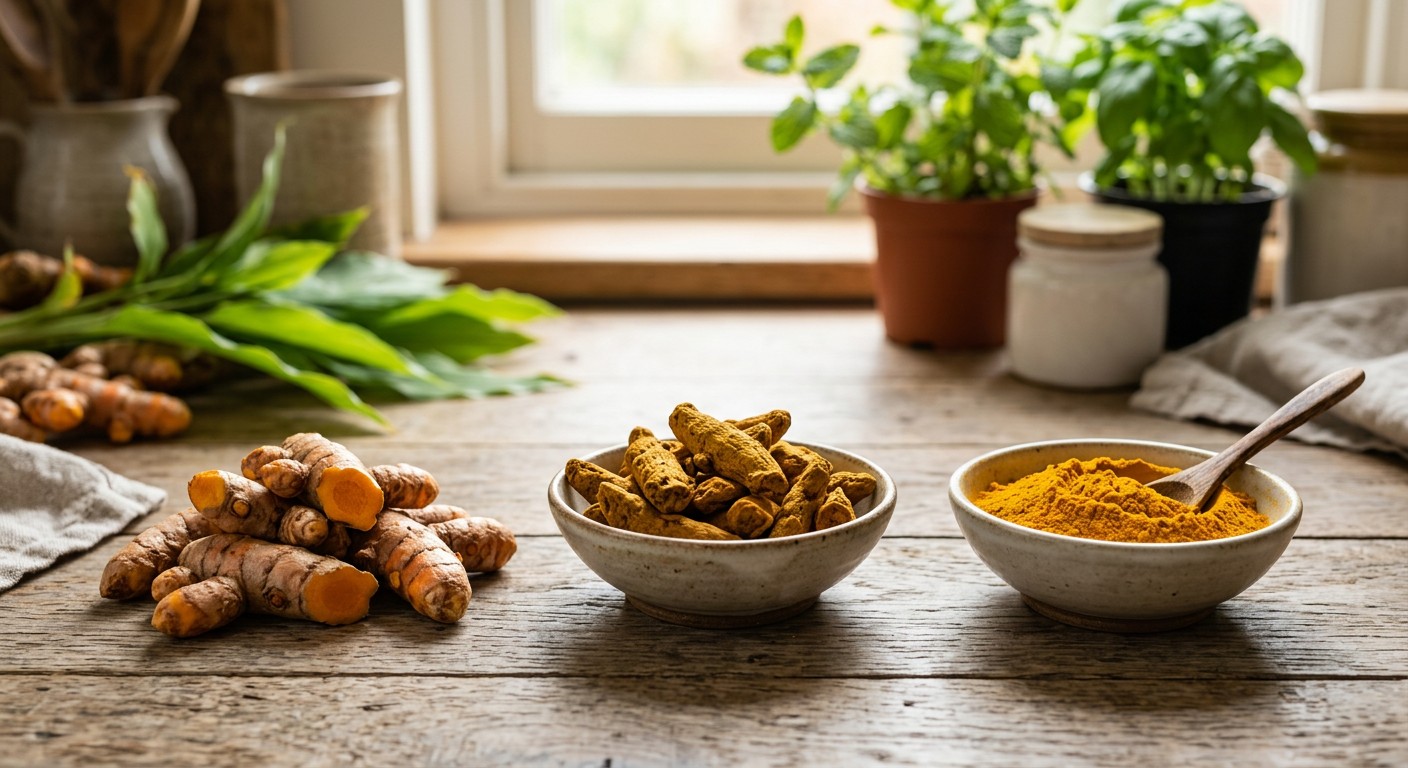
The Curcuma longa rhizome is dried and ground to produce turmeric powder.
Frequently asked questions
What is Curcuma longa?
Curcuma longa is the scientific name for turmeric. It is a perennial rhizomatous plant in the ginger family, Zingiberaceae. Its underground rhizome is processed to make turmeric spice and is also used in various traditional and modern botanical preparations.
Is Curcuma longa the same as turmeric?
Yes. Curcuma longa is the botanical species commonly called turmeric. However, the word turmeric can refer to the fresh or dried rhizome, the powdered spice or products made from it, whereas Curcuma longa specifically identifies the plant species.
What is the difference between Curcuma longa and curcumin?
Curcuma longa is the whole turmeric plant. Curcumin is one of the principal curcuminoid compounds found in its rhizome. Turmeric contains many substances besides curcumin, so turmeric and purified or concentrated curcumin should not be treated as identical.
What part of Curcuma longa is used?
The rhizome, or underground stem, is the principal part used to produce turmeric spice. It can be used fresh or processed by cooking, drying and grinding.
What are the potential benefits of Curcuma longa?
Research has investigated Curcuma longa and curcumin for antioxidant and anti-inflammatory activity and for possible applications including joint health. Some systematic reviews have found improvements in knee osteoarthritis symptoms with certain turmeric or curcumin preparations, although the evidence varies and more research is needed.
Is Curcuma longa safe?
Turmeric used as a food ingredient has a long history of use. However, concentrated turmeric and curcumin supplements are different from culinary quantities. Reported adverse effects include gastrointestinal symptoms and, very rarely, clinically apparent liver injury. Anyone considering supplementation should discuss it with a healthcare professional, especially when taking medicines or managing a health condition.
Final summary
Curcuma longa is the scientific name for the turmeric plant, a member of the ginger family whose underground rhizome is used to produce turmeric spice. Its rhizome contains curcuminoids, including curcumin, alongside other naturally occurring compounds.
Turmeric has a long history as a food ingredient and traditional botanical product, while modern science has investigated curcumin and turmeric extracts for antioxidant, anti-inflammatory and other biological effects. Research into joint health, particularly knee osteoarthritis, is among the more developed clinical areas, although evidence remains dependent on the preparation and study design.
The most important distinction is between the Curcuma longa plant, culinary turmeric and concentrated curcumin extracts. They should not be considered interchangeable.
For general readers, the evidence supports viewing Curcuma longa as a well-studied culinary and botanical plant with interesting scientific properties, rather than as a proven treatment or cure for disease.
Curcuma longa rhizome anatomy
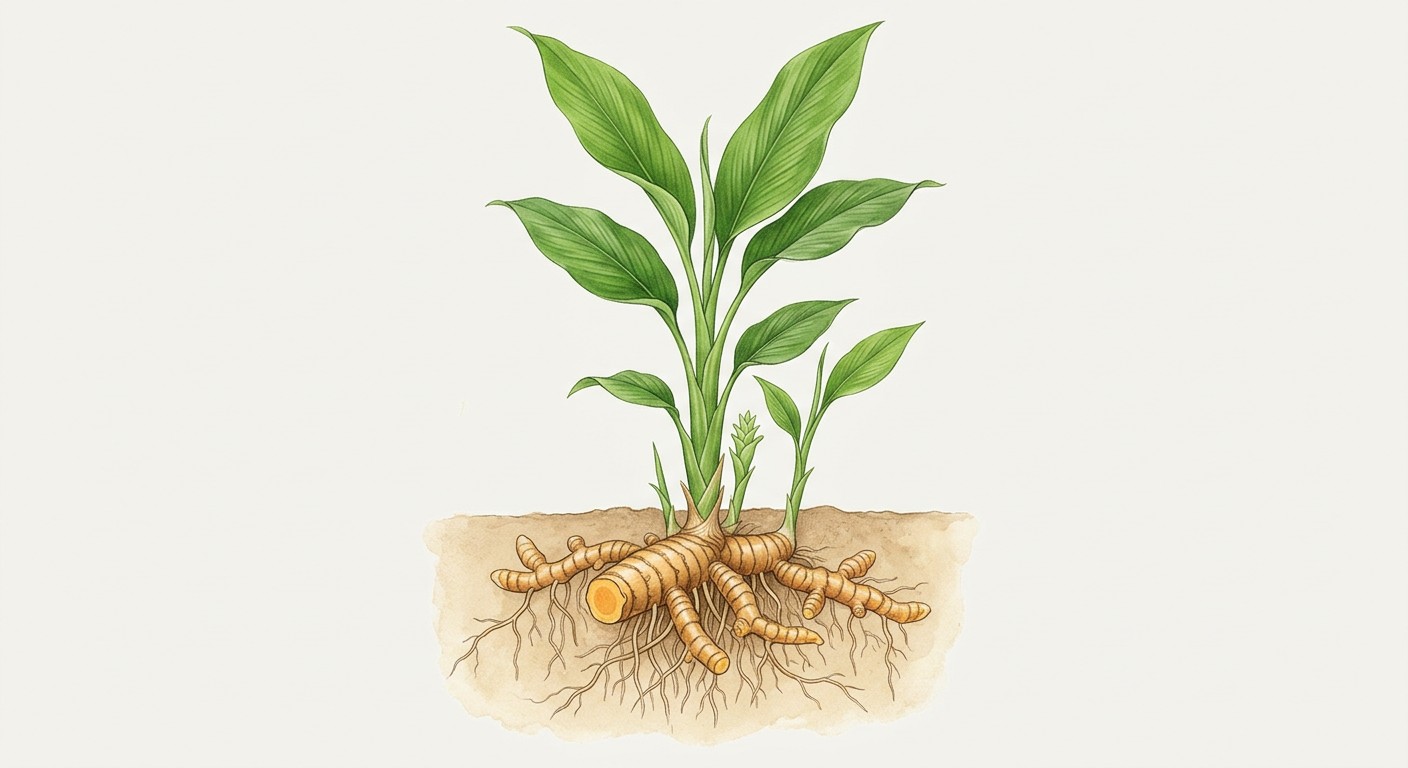
Educational illustration showing the underground rhizome of Curcuma longa, the part used to make turmeric.
Further Information and Related Articles
1. Turmeric Plant (Curcuma longa)
2. Curcuma longa L. — Plants of the World Online, Royal Botanic Gardens, Kew
Published by: Royal Botanic Gardens, Kew
Description: An authoritative botanical profile covering the accepted scientific name, classification, plant description, rhizomes, distribution, cultivation and uses of Curcuma longa. This is probably the best primary reference for the botanical information on your page.
Read Article: Kew — Curcuma longa L.
3. Turmeric – Curcuma longa — Kew Gardens
Published by: Royal Botanic Gardens, Kew
Description: A reader-friendly overview of turmeric as Curcuma longa, including its plant description, rhizome, cultivation, geographical distribution, traditional importance and use as a spice and dye. It is particularly useful for explaining the plant to a general audience.
Read Article: Kew Gardens — Turmeric (Curcuma longa)
4. Curcuma Longa (turmeric): from traditional applications to modern plant medicine research hotspots” — Chinese Medicine
Published by: Chinese Medicine, Springer Nature
Description: A recent peer-reviewed review published in 2025 covering the botany, history, traditional applications, pharmacological research, clinical applications and turmeric-related products. It is particularly useful for the scientific sections of your article and for distinguishing traditional use from modern evidence.
Read Article: PubMed — Curcuma Longa: from traditional applications to modern plant medicine research hotspots
5. Experimental and clinical reports on anti-inflammatory, antioxidant, and immunomodulatory effects of Curcuma longa and curcumin, an updated and comprehensive review”
Published by: BioFactors / Wiley, indexed by the U.S. National Library of Medicine’s PubMed
Description: A peer-reviewed review examining experimental and clinical evidence concerning Curcuma longa and curcumin, including antioxidant, anti-inflammatory and immunomodulatory effects. It is useful when discussing potential biological effects while maintaining a distinction between laboratory findings and established clinical benefits.
Read Aricle: PubMed — Curcuma longa and curcumin review
6. A Comprehensive Review on the Therapeutic Potential of Curcuma longa Linn. in Relation to its Major Active Constituent Curcumin
Published by: Peer-reviewed scientific literature, indexed by the U.S. National Library of Medicine’s PubMed
Description: A detailed review examining Curcuma longa and its major constituent curcumin, including traditional uses, phytochemical constituents and reported biological activities. It is useful as a supporting scientific source, particularly when explaining the relationship between the whole turmeric plant and curcumin.
Read Article: PubMed — Therapeutic potential of Curcuma longa and curcumin
Scientific and reliable sources
- Royal Botanic Gardens, Kew – Plants of the World Online: Curcuma longa L.
Botanical classification, plant description, distribution, cultivation and uses. - National Library of Medicine – LiverTox: Turmeric
Evidence concerning turmeric, curcumin, adverse effects and rare liver injury. - PubMed – Research progresses in the biosynthesis of curcuminoids
Scientific background on curcuminoids and their presence in Curcuma longa. - PubMed – Curcumin and Curcuminoids: Biological Activities and Clinical Studies
Recent review of curcumin, curcuminoids and clinical research. - PubMed – Efficacy and Safety of Turmeric Extracts for the Treatment of Knee Osteoarthritis
Systematic review and meta-analysis of randomised controlled trials. - PubMed – Therapeutic effects of turmeric or curcumin extract on pain and function for knee osteoarthritis
Systematic review of clinical evidence relating to knee osteoarthritis. - PubMed – Safety and Efficacy of Turmeric Extracts and Curcumin Supplements in Musculoskeletal Health
Systematic review and meta-analysis of randomised clinical trials. - PubMed – A Unifying Perspective in Blunting the Limited Oral Bioavailability of Curcumin
Review of curcumin absorption and approaches including piperine combinations. - PubMed – Curcumae Radix: a review of its botany, traditional uses, phytochemistry, pharmacology and toxicology
Review covering botanical characteristics, traditional use, chemistry and toxicology. - PubMed – Curcumin, an active component of turmeric: biological activities, nutritional aspects, bioavailability and human health benefits
Recent review highlighting evidence, bioavailability and remaining research gaps.
Medical disclaimer
This page is provided for general educational and informational purposes only. It is not intended to diagnose, treat, cure or prevent any disease or medical condition, and it should not be considered a substitute for professional medical advice.
Turmeric and curcumin products can differ considerably in composition and concentration. If you are considering taking a turmeric or curcumin supplement, particularly if you take prescription or over-the-counter medicines, are pregnant or breastfeeding, have liver or gallbladder problems, or have another medical condition, speak to a qualified doctor or pharmacist first.
Never stop or change prescribed medication because of information presented on this page.
Author
Written by J. Henderson
Health & Wellness Research Writer
J. Henderson writes evidence-based articles on nutrition, botanical supplements and everyday wellbeing. His work focuses on translating scientific research into clear, practical guidance that helps readers make informed decisions about natural health products.