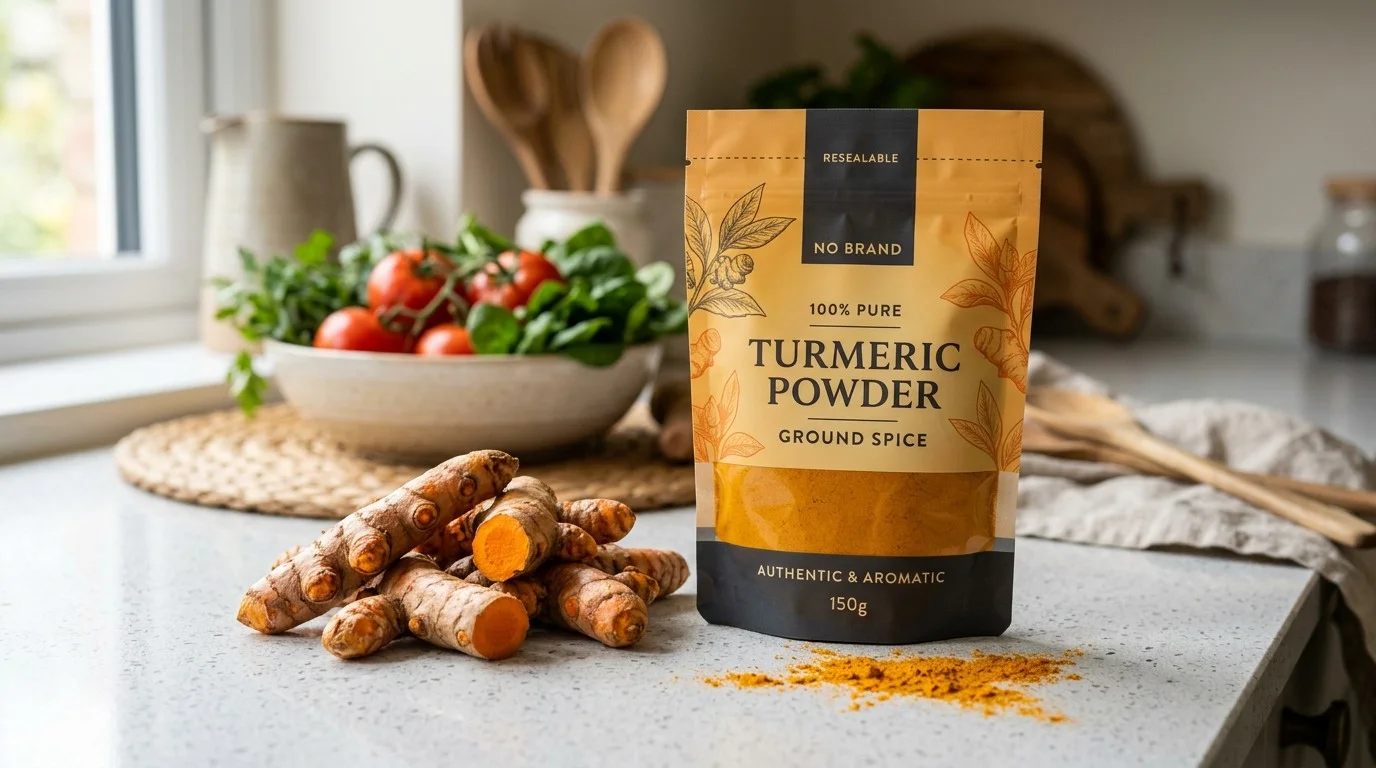
Turmeric FAQs
What are the Top FAQs for Turmeric? – Introduction
If you’re looking for answers to common Turmeric FAQs, you’ve come to the right place. Whether you’re curious about turmeric’s health benefits, the right daily dosage, potential side effects, or how to choose a high-quality turmeric or curcumin supplement, this guide covers the top questions people ask most. Our straightforward answers are designed to help you make informed decisions and get the most from this popular golden spice.
Key Facts About Turmeric
- Naturally comes from the root of the Curcuma longa plant.
- Widely used in Indian, Asian and Middle Eastern cooking.
- Contains the natural compound curcumin.
- Adds colour, flavour and aroma to food.
- Available as fresh root, powder and supplements.
- Often combined with black pepper to improve curcumin absorption.
- Can be included in drinks, curries, soups and rice dishes.
- Most people can enjoy culinary amounts as part of a healthy diet.
Turmeric is a bright yellow spice made from the root of the Curcuma longa plant. The history of turmeric dates back thousands of years, with the spice being used for centuries in cooking and traditional wellness practices, particularly in South Asia.
Today, many people use turmeric in recipes, drinks, and supplements because it contains curcumin, a naturally occurring compound that has been widely researched. If you’re wondering what is curcumin, you’ll find it explained alongside the answers to the most common turmeric FAQs, all written in simple, practical language.
Turmeric FAQs – Fresh Turmeric Root vs Ground Turmeric Powder
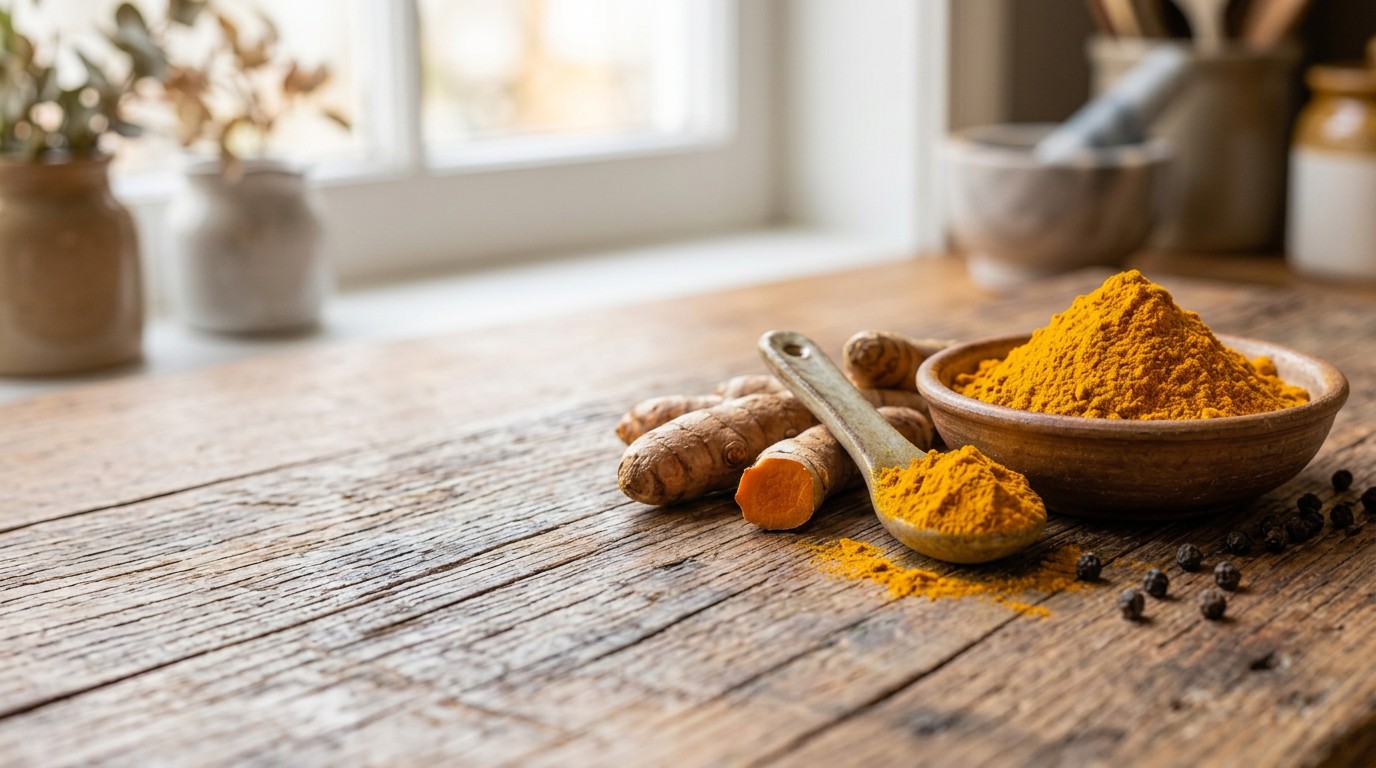
Fresh turmeric root compared with ground turmeric powder, one of the most common questions answered for turmeric FAQs.
Related Guides
Explore related turmeric guides:
- What Is Turmeric Good For — a related question you may want to explore.
- Ways to Use Turmeric — exploring practical ways to use turmeric.
- How Much Turmeric Per Day? — understanding questions about daily turmeric intake.
- What Is Curcumin? — understanding the compound found in turmeric.
- Is Turmeric Good for Arthritis? — what the evidence says about arthritis.
Table of Contents
- What are the Top FAQs for Turmeric? – Introduction
- Key Facts About Turmeric
- Contents
- What are the Top 15 FAQs?
- Top FAQs for Choosing a Turmeric Supplement
- Top 3 Turmeric Recipe FAQs
- Summary
- Further Reading and Scientific References
- Related Guides on Choosing the Best Turmeric Supplements
- Related Recipe Resources
- Disclaimer
What are the Top 15 FAQs?
Whether you’re new to turmeric or simply looking for reliable information, these top 15 Turmeric FAQs answer the questions people ask most. From health benefits and daily dosage to cooking, supplements, and curcumin, you’ll find clear, practical answers to help you better understand this popular golden spice.
1. What is turmeric?
Turmeric is a yellow-orange spice made from the dried root of the Curcuma longa plant. It is commonly used in cooking, traditional herbal practices and dietary supplements.
2. What is curcumin?
If you’re wondering what is curcumin, it’s one of the main naturally occurring compounds found in turmeric. Curcumin gives turmeric its distinctive golden-yellow colour and is the active ingredient that has been the focus of much of the scientific research into turmeric.
3. Is turmeric good for you?
Turmeric can be a healthy addition to a balanced diet and has been used in cooking and traditional wellness practices for thousands of years. If you’re wondering what is turmeric good for, it’s worth exploring the latest research on turmeric and curcumin, although studies are still ongoing. While turmeric may offer a range of potential health benefits, it should not be considered a treatment or cure for any medical condition.
4. Can turmeric reduce inflammation?
Curcumin, the active compound in turmeric, has demonstrated anti-inflammatory properties in both laboratory and clinical studies. While the evidence is promising, more high-quality research is needed to fully understand its effectiveness across different health conditions. To learn more about Turmeric benefits for inflammation, explore our in-depth guide.
5. How much turmeric should I take daily?
There is no single recommended daily amount for everyone. Culinary use is generally considered suitable for most healthy adults, while supplement dosages vary and should follow professional advice.
6. Is turmeric safe every day?
Using turmeric in cooking every day is generally considered safe for most people. High-dose supplements may not be appropriate for everyone.
7. Are there any side effects?
Some people may experience stomach discomfort, nausea or digestive upset, especially when taking large amounts or concentrated supplements.
8. Can turmeric interact with medicines?
Yes. Turmeric supplements may interact with blood-thinning medicines, diabetes medication and some other prescription medicines. Always seek advice from a healthcare professional before starting supplements.
9. Does black pepper make turmeric more effective?
Black pepper contains piperine, a natural compound that can significantly increase the body’s absorption of curcumin, the active ingredient in turmeric. If you’d like to learn more about Does Black Pepper Increase Turmeric Absorption, read our detailed guide explaining the science behind this powerful combination.
10. Is fresh turmeric better than powdered turmeric?
Both forms can be useful. Fresh turmeric has a milder flavour, while powdered turmeric is convenient, widely available and has a longer shelf life.
11. Can turmeric help with joint health?
Some research suggests curcumin may support joint comfort in certain people, but results vary and it should not replace medical treatment.
12. Can I cook with turmeric every day?
Yes. Turmeric is commonly used every day in recipes such as curries, soups, rice dishes, vegetables, smoothies, and warm drinks. If you’re wondering What is the Best Way to Consume Turmeric, our detailed guide explores different methods to help you get the most from this versatile spice.
13. Does turmeric stain?
Yes. Turmeric’s natural pigments can stain clothing, kitchen surfaces and plastic containers if not cleaned quickly.
14. Is turmeric suitable during pregnancy?
Small amounts used in cooking are generally considered acceptable, but turmeric supplements should only be taken after medical advice.
15. What’s the difference between turmeric and curry powder?
Turmeric is a single spice. Curry powder is a blend of spices that often includes turmeric along with cumin, coriander and other seasonings.
What Is Curcumin Found in Turmeric?
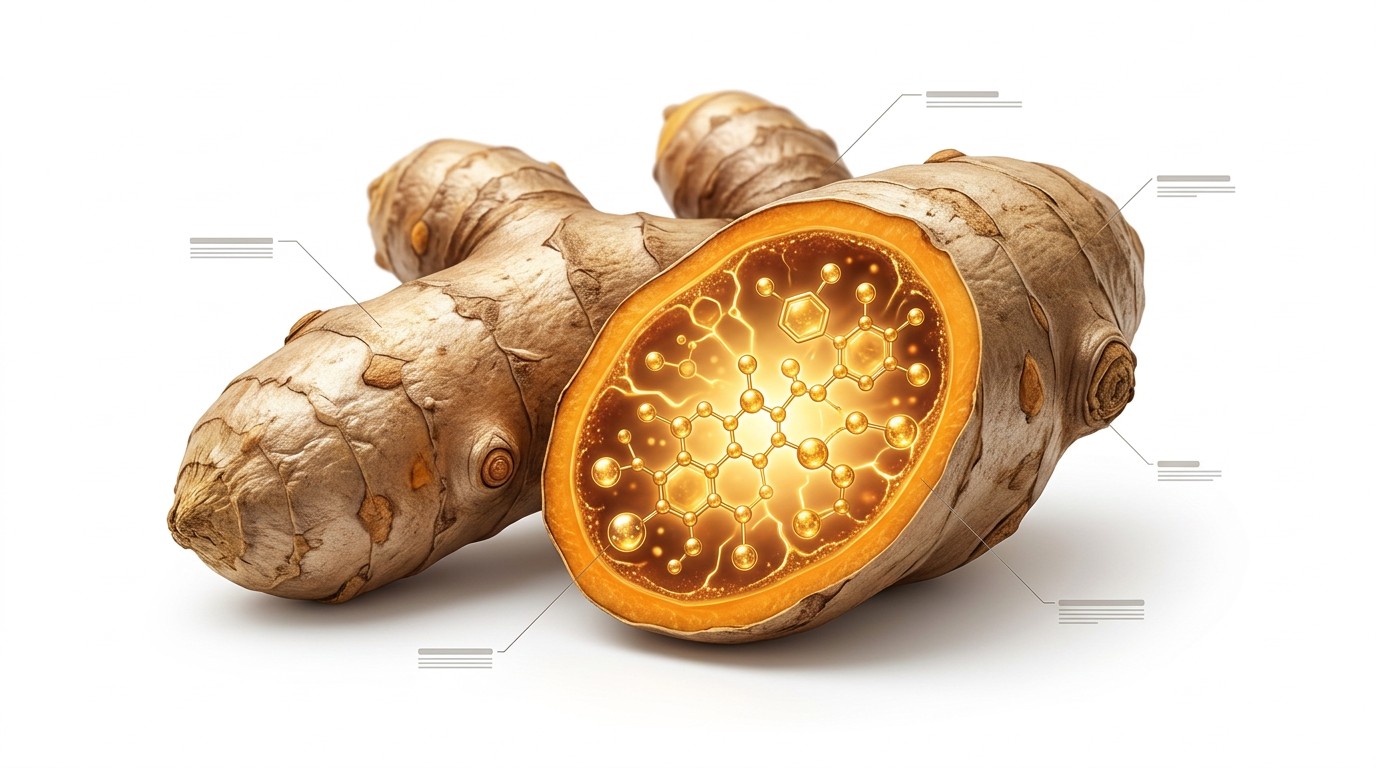
Curcumin is the naturally occurring compound in turmeric that gives the spice its distinctive golden colour.
Top FAQs for Choosing a Turmeric Supplement
1. What should I look for when choosing a turmeric supplement?
Choose a turmeric supplement that clearly states its curcumin content, uses a standardised extract, and includes black pepper extract (piperine) if improved absorption is important to you. It’s also worth choosing a reputable brand with transparent ingredient information.
2. What is the best form of turmeric to take?
Fresh and ground turmeric are great for cooking, while turmeric supplements provide a more concentrated source of curcumin. Many people choose standardised curcumin extracts for consistent potency.
3. How much curcumin should a turmeric supplement contain?
The amount of curcumin varies between products, so always follow the recommended serving size on the label. If you’re unsure, seek advice from a healthcare professional before taking a turmeric supplement.
How to Choose a Turmeric Supplement?
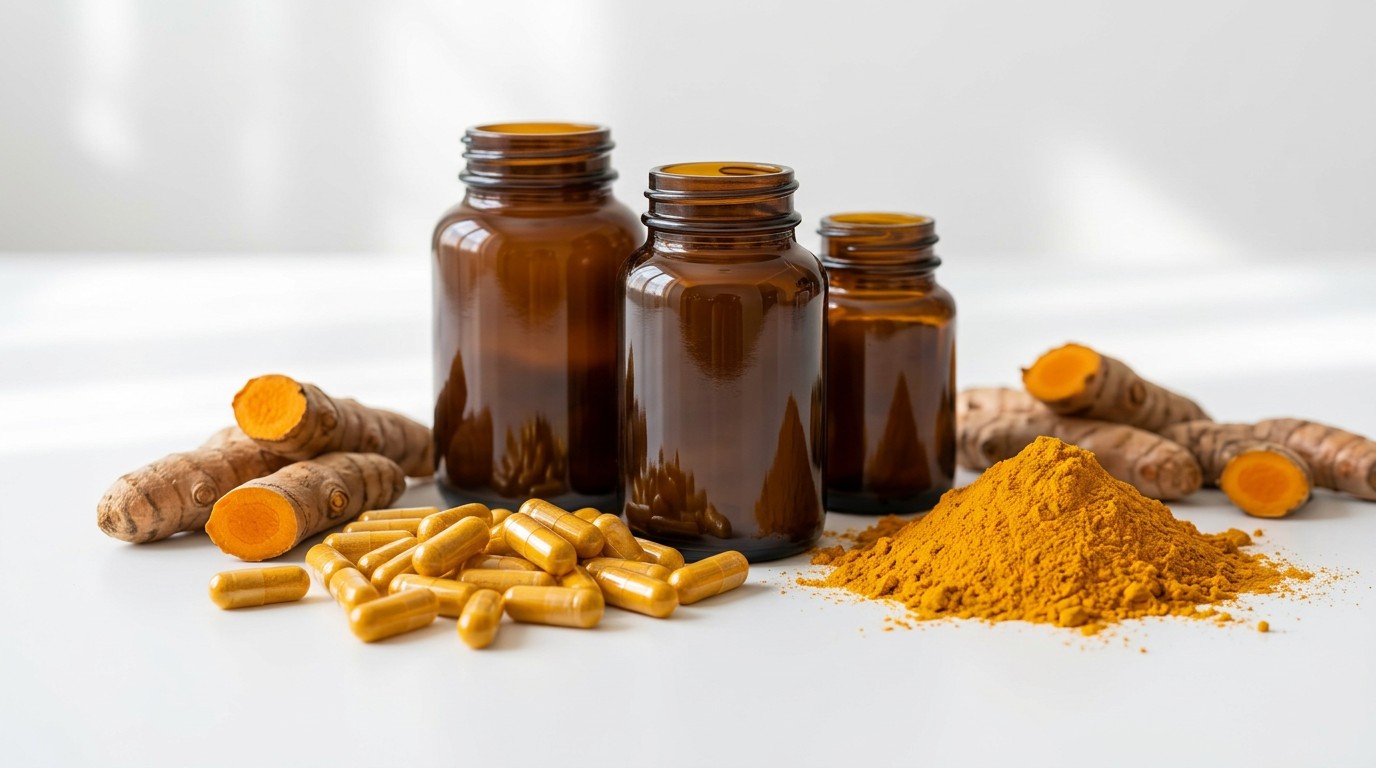
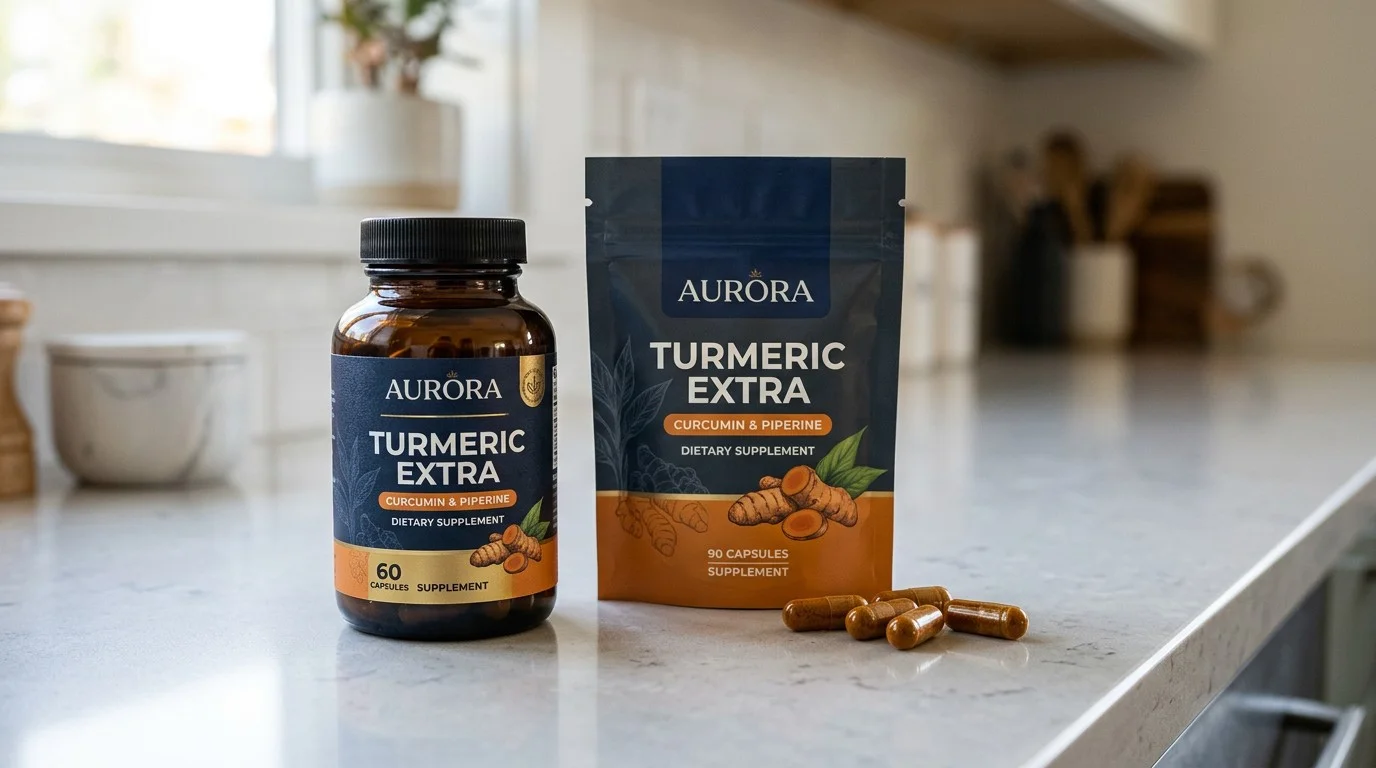
A comparison of turmeric supplements to help explain what to look for when choosing a quality product.
Top 3 Turmeric Recipe FAQs
1. What can I make with turmeric?
Turmeric is a versatile spice that can be added to curries, soups, rice dishes, roasted vegetables, smoothies, and golden milk. It’s warm, earthy flavour works well in both savoury recipes and some drinks.
2. Can you cook with fresh turmeric?
Yes, fresh turmeric can be used in many recipes. Simply peel and grate or finely chop the root before adding it to stir-fries, curries, soups, sauces, or smoothies for a fresh, vibrant flavour.
3. Does cooking destroy the benefits of turmeric?
No, cooking doesn’t completely destroy turmeric. While heat may reduce some of its natural compounds, turmeric still retains its flavour and colour, making it a nutritious ingredient to include in everyday turmeric recipes and meals.
Turmeric Used in Everyday Foods
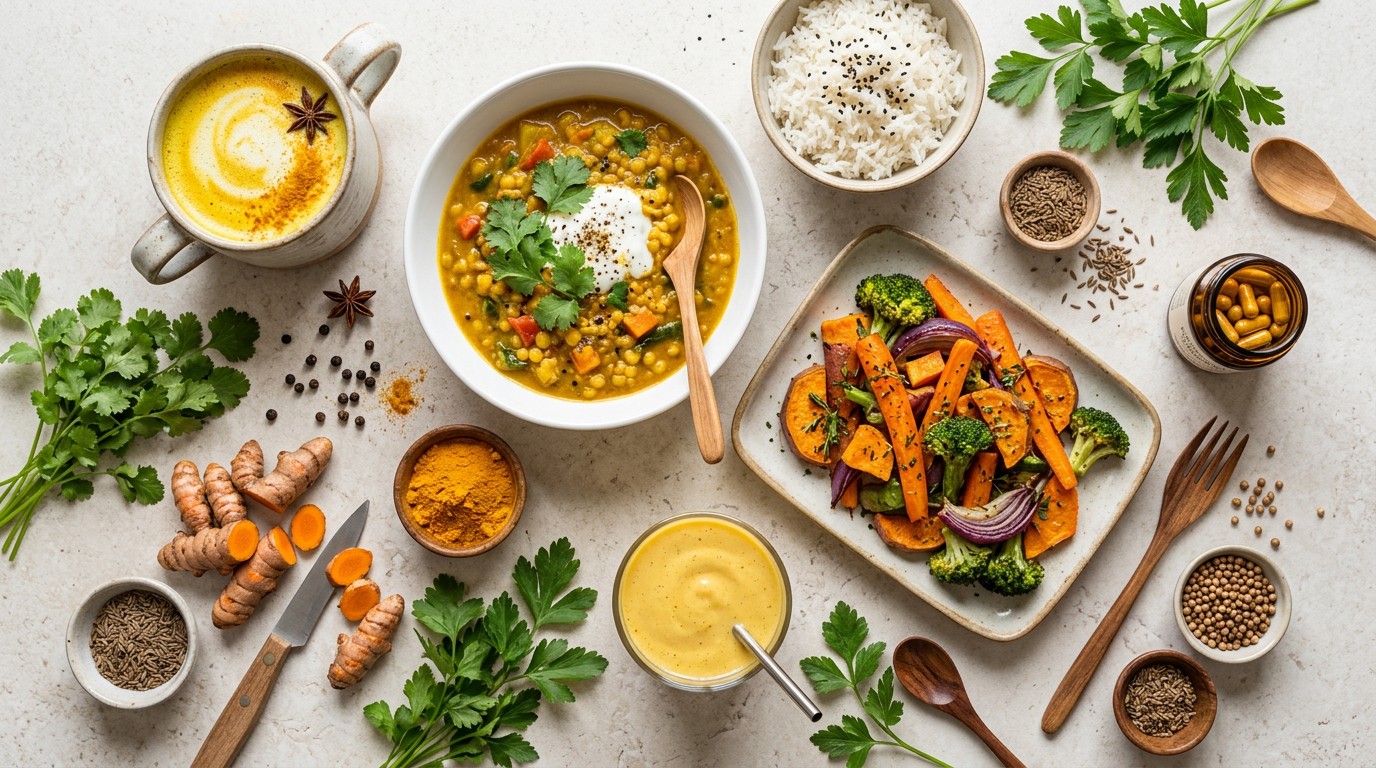
Turmeric can be added to many everyday recipes including curries, soups, smoothies and golden milk.
Summary
Turmeric remains one of the world’s most popular spices thanks to its distinctive flavour, vibrant colour and long history of culinary and traditional use. While curcumin continues to be widely researched for its potential health benefits, turmeric should be viewed as part of a balanced lifestyle rather than a cure for illness.
Whether you are cooking with fresh root, using powdered turmeric or considering a supplement, understanding the facts can help you make informed choices. This FAQ guide provides straightforward answers to the questions people ask most often, making it an ideal starting point for anyone wanting to learn more about turmeric while supporting a trustworthy, easy-to-read and search-friendly resource.
History of Turmeric and the Curcuma Longa Plant
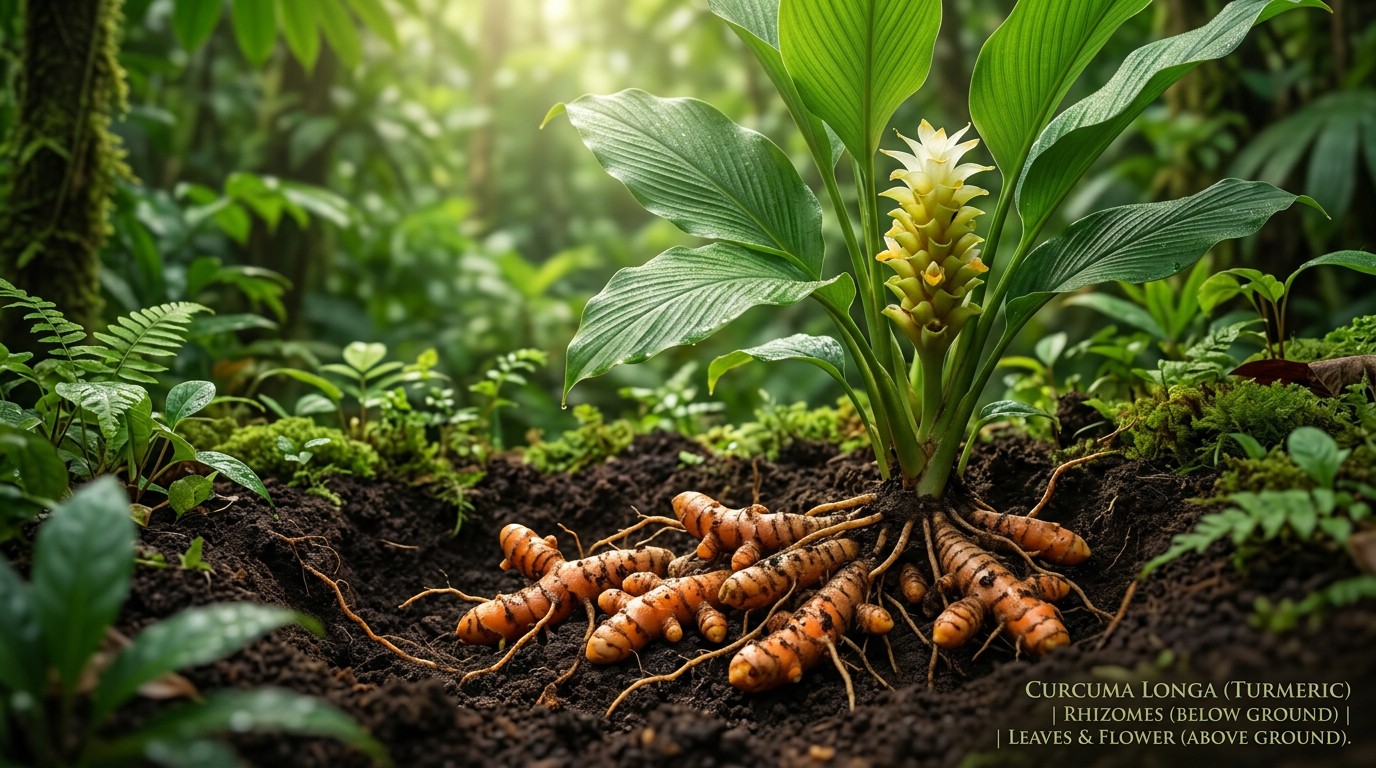
The turmeric plant (Curcuma longa) has been cultivated for thousands of years and remains one of the world’s most widely used spices.
Further Reading and Scientific References
1. National Center for Complementary and Integrative Health (NCCIH) – Turmeric
Description: An evidence-based overview of turmeric and curcumin, including current research, potential health benefits, safety information, side effects, and what scientists know so far.
Published by: National Center for Complementary and Integrative Health (NCCIH), part of the U.S. National Institutes of Health (NIH).
URL: https://www.nccih.nih.gov/health/turmeric
2. Healthline – Turmeric: Benefits, Nutrition and Uses
Description: A comprehensive guide covering turmeric’s nutritional profile, evidence-based health benefits, research on curcumin, safety considerations, and everyday uses.
Published by: Healthline. Written by health writers and reviewed by registered dietitians and medical professionals.
URL: https://www.healthline.com/nutrition/top-10-evidence-based-health-benefits-of-turmeric
TURMERIC – YouTube Video from Dr Eric Berg DC
Related Guides on Choosing the best Turmeric supplements
1. Healthline – Best Turmeric Supplements, According to a Dietitian
Description: An evidence-based buying guide comparing the best turmeric supplements, what to look for in a quality product, absorption methods, third-party testing, and how to choose the right supplement.
Published by: Healthline. Written and reviewed by registered dietitians and medically reviewed by nutrition experts.
URL: https://www.healthline.com/nutrition/best-turmeric-supplements
2. Forbes Health – Best Turmeric Supplements: Expert-Reviewed
Description: An expert-reviewed guide comparing leading turmeric supplements, including advice on curcuminoid content, bioavailability, third-party testing, and ingredients to look for before buying.
Published by: Forbes Health, with recommendations from nutrition experts and editorial fact-checking.
URL: https://www.forbes.com/health/supplements/best-turmeric-supplements/
Related Recipe Resources
1. BBC Good Food – Turmeric Recipes
Description: A comprehensive collection of more than 60 turmeric recipes, including curries, soups, rice dishes, smoothies, breads, and healthy meals suitable for everyday cooking.
Published by: BBC Good Food, one of the UK’s most trusted food and recipe publishers.
URL: https://www.bbcgoodfood.com/recipes/collection/turmeric-recipes
2. Better Homes & Gardens – Turmeric Recipes
Description: A selection of simple turmeric recipes ranging from warming soups and chicken dishes to healthy drinks, designed for home cooks.
Published by: Better Homes & Gardens, a long-established home, food, and lifestyle publication.
URL: https://www.bhg.com/recipe/turmeric-ginger-marinated-chicken/
Disclaimer
The information on this page is provided for general educational and informational purposes only and should not be considered medical advice. While every effort has been made to ensure the content is accurate and up to date, it should not replace advice from a qualified healthcare professional. Always consult your GP, pharmacist or another suitably qualified medical professional before starting any new supplement, especially if you are pregnant, breastfeeding, have an existing medical condition or take prescription medication. Individual responses to turmeric and curcumin may vary.
Author
Written by J. Henderson
Health & Wellness Research Writer
J. Henderson writes evidence-based articles on nutrition, botanical supplements and everyday wellbeing. His work focuses on translating scientific research into clear, practical guidance that helps readers make informed decisions about natural health products.