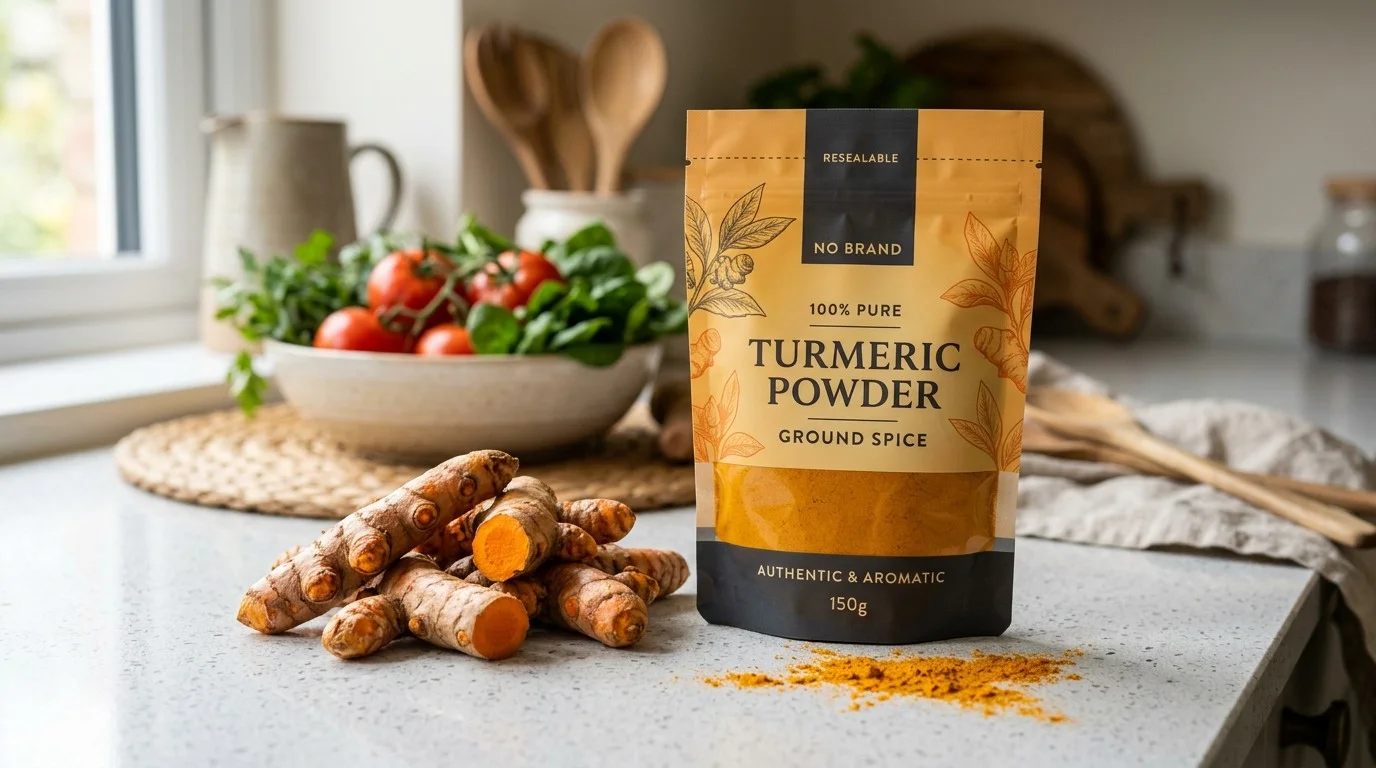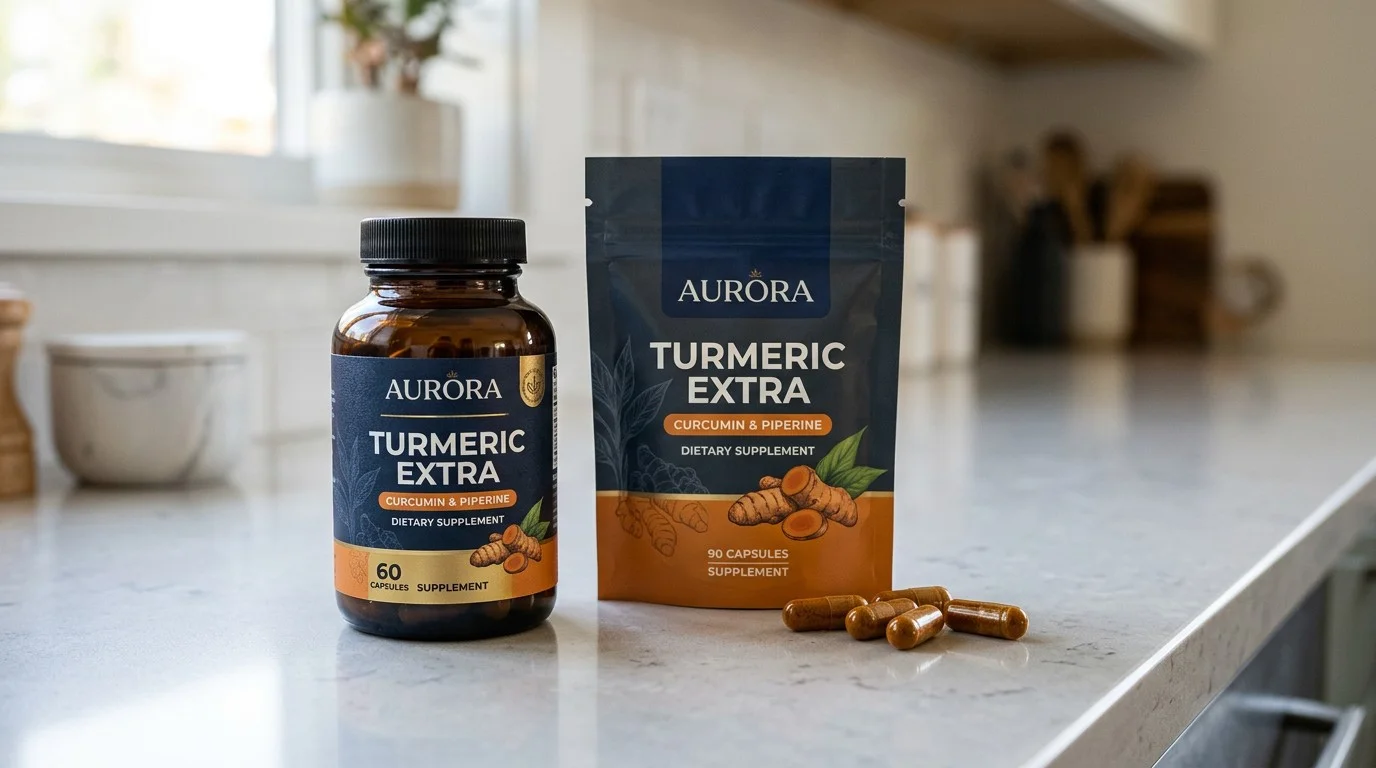
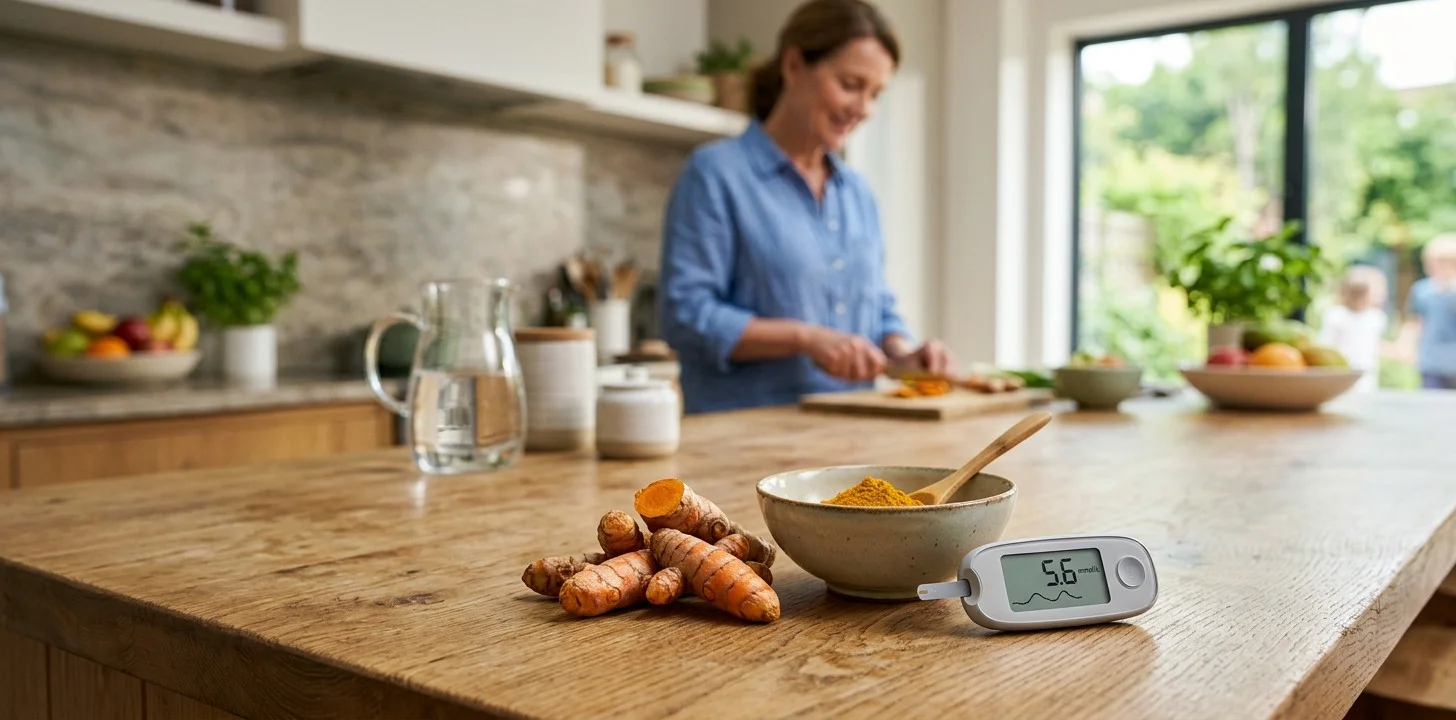
Turmeric and curcumin supplements may modestly lower blood sugar in some people, particularly those with type 2 diabetes, prediabetes or other problems with glucose control.
Research has found reductions in fasting blood glucose and HbA1c, but results vary between studies and supplement formulations. A recent systematic review and meta-analysis of people with prediabetes and type 2 diabetes reported improvements in several measures of blood sugar control.
Most clinical research has investigated curcumin or concentrated turmeric preparations, rather than the amount of turmeric normally used in food.
Turmeric should not be used as a replacement for diabetes medication or recommended lifestyle changes.
If you have diabetes or take medicines that lower blood sugar, speak to your doctor or pharmacist before using a concentrated turmeric or curcumin supplement.
Explore other areas of turmeric and health:
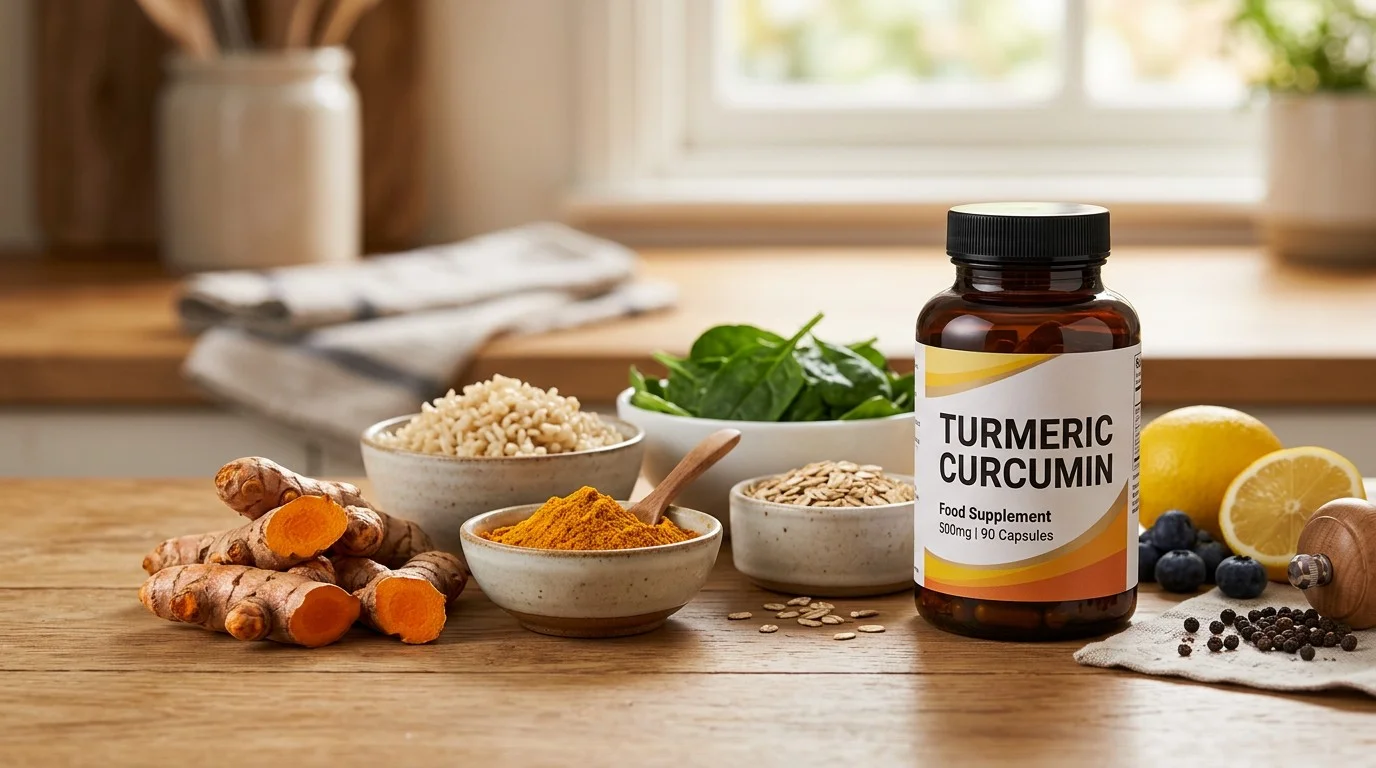
Turmeric is used in food and supplements, although research into blood sugar has generally studied concentrated turmeric or curcumin preparations.
What Is Blood Sugar?
Blood sugar, or blood glucose, is the glucose circulating in your bloodstream. It is an important source of energy for the body’s cells.
The hormone insulin helps move glucose from the blood into cells where it can be used or stored.
Problems can develop when the body does not produce enough insulin or does not respond to it effectively.
Researchers have investigated whether turmeric and its best-known curcuminoid, curcumin, might influence blood glucose, insulin sensitivity and other aspects of metabolic health.
Most of this research involves supplements or concentrated extracts rather than turmeric used as a culinary spice.
The research is particularly relevant to people with:
That does not mean turmeric has been shown to treat these conditions.
Clinical studies generally investigate regular supplementation over a period of weeks or months rather than expecting an immediate effect after eating turmeric.
There is no established timeframe in which turmeric can be expected to lower an individual’s blood sugar.
Turmeric can be eaten as a spice in foods and drinks or taken in concentrated forms such as capsules, tablets and extracts.
These forms can provide very different amounts of turmeric and curcumin and should not be treated as equivalent.
Several possible mechanisms have been investigated, including effects on insulin sensitivity, inflammation and glucose metabolism.
However, identifying a possible biological mechanism does not prove that taking turmeric will produce a meaningful clinical benefit for an individual.
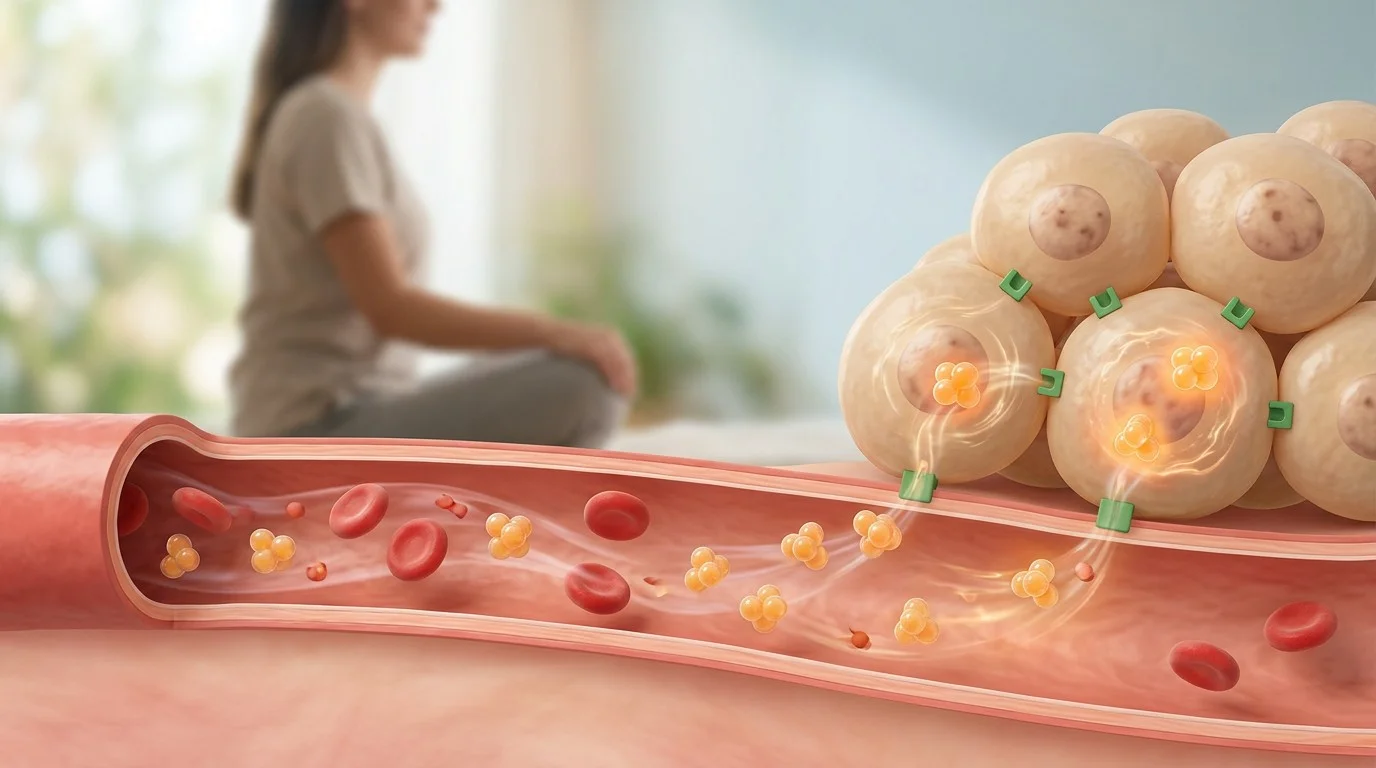
Blood glucose is tightly regulated by the body, with insulin helping glucose move from the bloodstream into cells for energy.
| Question | Current evidence |
| Can turmeric lower blood sugar? | Research suggests modest reductions may occur in some people with impaired glucose control. |
| Does it affect fasting glucose? | Meta-analyses have reported reductions. |
| Can it affect HbA1c? | Some studies report modest reductions. |
| Does it affect insulin resistance? | Research suggests a possible beneficial effect, although results vary. |
| Does turmeric in food have the same effect? | This has not been established; most research uses supplements or extracts. |
| Can turmeric replace diabetes medication? | No. |
| Can supplements interact with diabetes medicines? | Potentially. Discuss concentrated supplements with a healthcare professional. |
Several systematic reviews and meta-analyses have investigated turmeric and curcumin in relation to blood sugar.
A 2026 systematic review and dose-response meta-analysis found that turmeric or curcumin supplementation reduced fasting blood glucose by an average of approximately 10.15 mg/dL and HbA1c by approximately 0.32 percentage points compared with control groups in adults with prediabetes or type 2 diabetes.
The researchers also reported improvements in fasting insulin and insulin resistance. However, there was significant variation between studies, and the authors concluded that further high-quality randomised controlled trials are needed before firm conclusions can be reached. You can read the 2026 systematic review on PubMed.
A 2023 umbrella review and updated meta-analysis examined research involving type 2 diabetes, prediabetes and metabolic syndrome. Its updated analysis included 28 studies and reported reductions in fasting blood glucose and HbA1c following turmeric supplementation. Read the 2023 turmeric and glucose metabolism review on PubMed.
Another 2023 systematic review and meta-analysis, incorporating 59 randomised controlled trials, also reported improvements in fasting blood glucose, HbA1c, fasting insulin and insulin resistance following turmeric or curcumin supplementation. Read the 59-trial systematic review on PubMed.
Taken together, the research suggests that turmeric or curcumin supplementation may have a modest effect on several measures of glucose control.
However, the studies differ considerably in their participants, doses, duration and formulations. This makes it difficult to predict what effect, if any, a particular turmeric product would have for an individual.
Research suggests turmeric or curcumin supplementation may modestly reduce HbA1c in some people with impaired glucose control.
HbA1c reflects average blood glucose over the previous two to three months and is commonly used when diagnosing and monitoring diabetes.
The 2026 meta-analysis reported an average reduction of approximately 0.32 percentage points in people with prediabetes or type 2 diabetes.
The 2023 umbrella review found a smaller average reduction of approximately 0.13 percentage points in its updated analysis.
Different analyses producing different estimates are another reason not to promise a particular result from taking turmeric.
Insulin resistance occurs when cells become less responsive to insulin, meaning the body needs more insulin to manage blood glucose effectively.
Curcumin has been investigated for possible effects on insulin sensitivity and several related metabolic processes.
A 2024 umbrella meta-analysis incorporating 22 previous meta-analyses reported improvements in fasting blood sugar, HbA1c and HOMA-IR, a measure commonly used in research to estimate insulin resistance. Read the curcumin and glycaemic indices review on PubMed.
However, improvements in research measures do not mean turmeric supplements should be considered a treatment for insulin resistance.
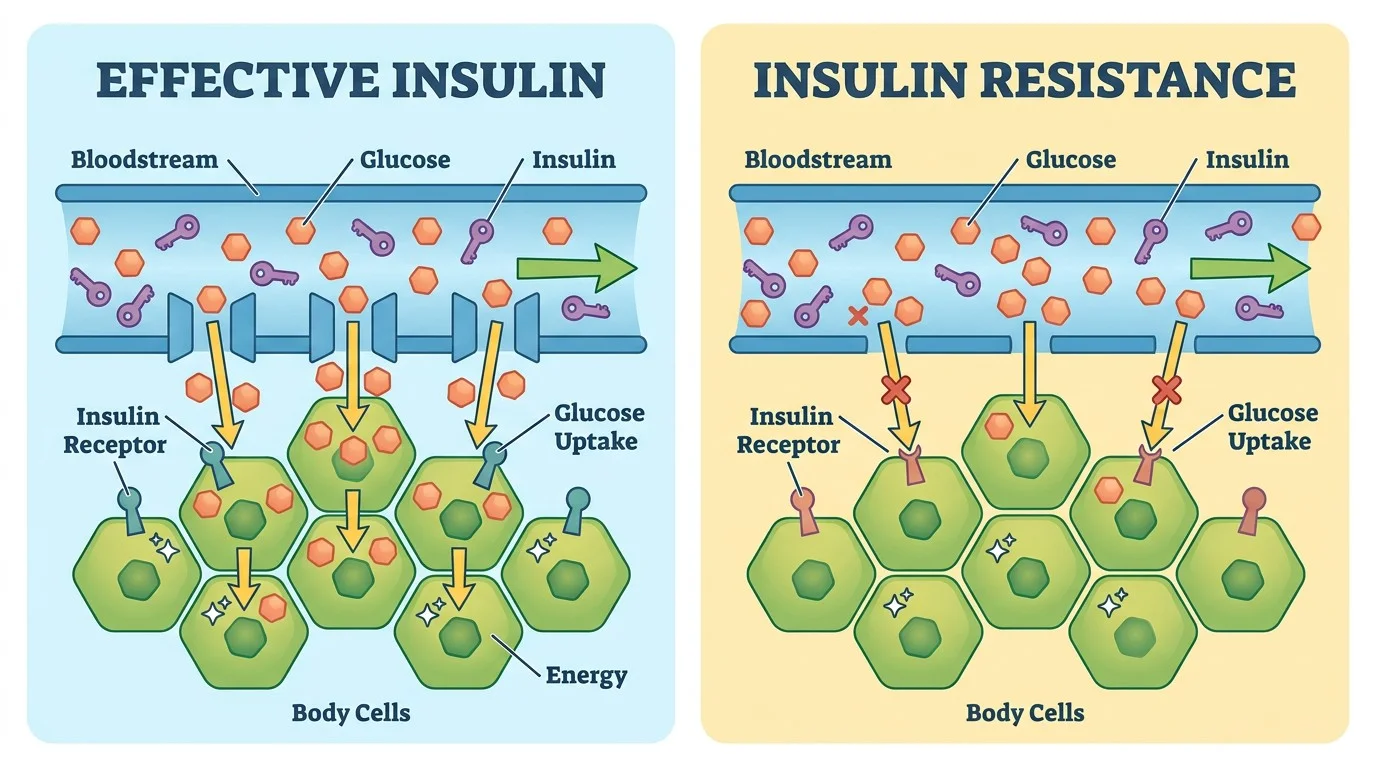
Insulin helps glucose move from the bloodstream into cells, while insulin resistance makes this process less effective.
Most of the stronger evidence relates to people who already have type 2 diabetes, prediabetes, metabolic syndrome or other disturbances in glucose control.
This matters because findings in these groups should not automatically be applied to people whose blood glucose is already within a healthy range.
The evidence therefore does not support taking turmeric simply to push normal blood sugar levels lower.
Adding turmeric to food is not the same as taking a concentrated turmeric or curcumin supplement.
Clinical trials commonly investigate defined doses of:
The amount and bioavailability of curcumin can differ substantially between products.
Recent reviews also note that clinical trials primarily investigate standardised supplements and enhanced formulations rather than ordinary culinary turmeric.
Therefore, evidence from a curcumin supplement trial should not be translated into a claim that adding more turmeric powder to dinner will produce the same effect.
Culinary turmeric can still be part of a varied diet, but its role should be considered separately from concentrated supplementation.
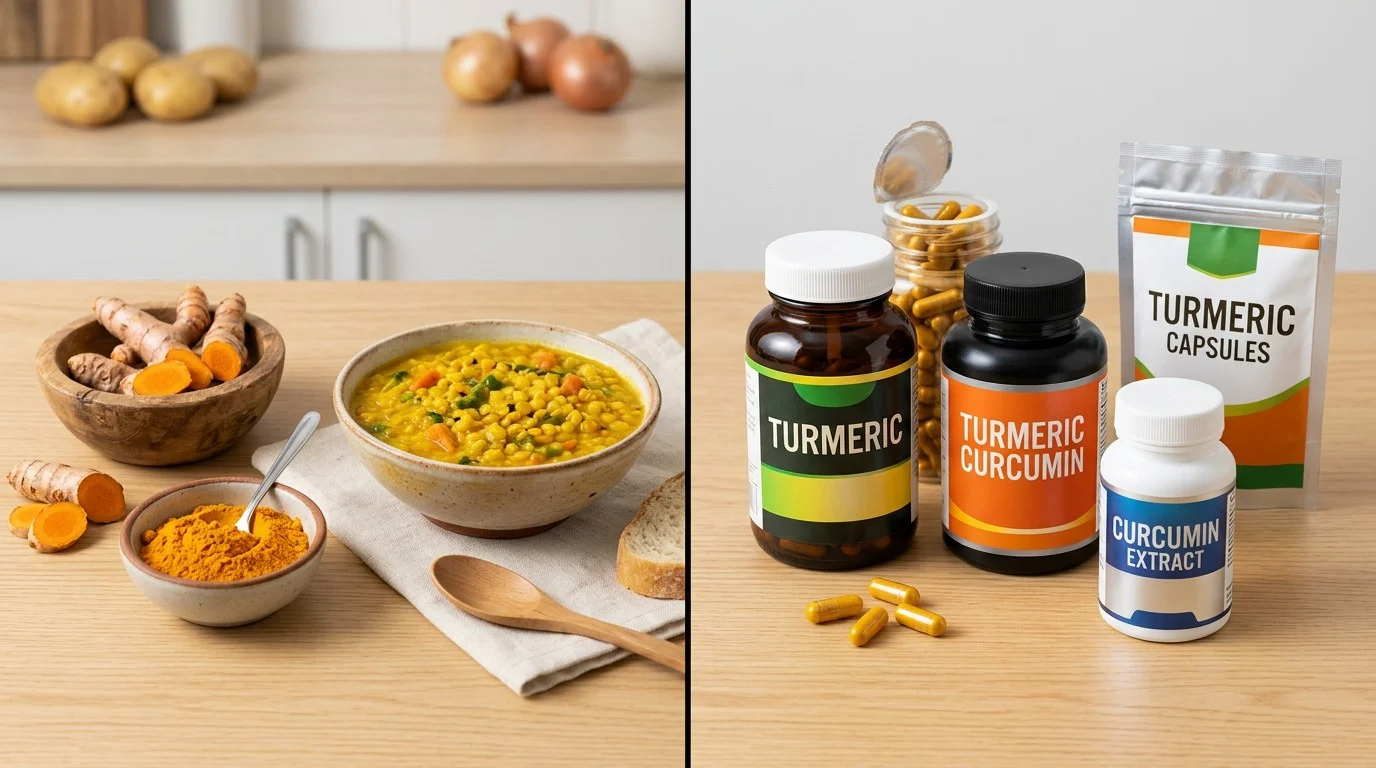
Turmeric used in food is not equivalent to the concentrated turmeric and curcumin preparations commonly studied in clinical trials.
| Possible Advantages | Possible Disadvantages |
| Research suggests modest improvements in some blood sugar measures | Effects vary between people and studies |
| Curcumin has been studied in numerous human trials | Most studies investigate supplements rather than normal food use |
| Some research suggests improvements in insulin resistance | Different formulations make direct comparisons difficult |
| Can be investigated alongside established treatment | Should not replace prescribed medication or lifestyle management |
| Turmeric is widely available as a food ingredient | Concentrated supplements may cause side effects or interact with medicines |
Turmeric used in normal food amounts is different from taking a concentrated supplement.
People with diabetes should be particularly careful with supplements because turmeric or curcumin may add to the effects of medicines that lower blood glucose.
For example, the NHS specifically notes that turmeric and some other herbal products can potentially cause low blood sugar when taken with empagliflozin and advises people to tell their doctor or pharmacist about herbal remedies and supplements they use. Read the NHS guidance on empagliflozin and herbal supplements.
This does not mean every person with diabetes must avoid turmeric. It means that food use and concentrated supplementation should not be treated as the same thing, particularly when medication is involved.
Do not alter diabetes medication or use turmeric as a substitute for prescribed treatment.
There is not enough evidence to give a universal yes-or-no answer for every turmeric product, dose and individual.
Because concentrated turmeric and curcumin supplements may influence blood glucose, anyone taking metformin or another diabetes medicine should discuss supplementation with their doctor or pharmacist.
This is particularly important when several medicines or supplements that may influence blood glucose are being used together.
There is no established turmeric dose recommended for lowering blood sugar.
Clinical trials have used different doses, extracts and formulations. Some research investigates curcumin rather than turmeric itself.
It would therefore be misleading to take a dose used in one clinical trial and present it as the amount an individual should take to lower their blood sugar.
If you are considering a supplement, follow the manufacturer’s instructions and discuss it with a healthcare professional if you have diabetes, prediabetes or take medication.
There is no reliable timeframe in which turmeric can be expected to lower blood sugar.
Clinical trials generally investigate supplementation over weeks or months, and their results represent averages across groups rather than guaranteed responses in individuals.
Turmeric should therefore not be expected to produce an immediate or predictable reduction in blood glucose.
Anyone who needs to manage high or low blood sugar should follow their healthcare plan rather than relying on turmeric to produce a rapid change.
Turmeric is not a substitute for the established foundations of blood sugar management.
For people with diabetes or prediabetes, an appropriate diet, regular physical activity, maintaining a healthy weight where appropriate, not smoking and following prescribed treatment remain more important than adding a turmeric supplement.
Turmeric may have a place within someone’s diet or supplement choices, but it should be considered alongside — not instead of — established approaches to metabolic health.

Diet, physical activity and appropriate healthcare remain more important for blood sugar management than adding a turmeric supplement.
Turmeric used as a normal food ingredient is different from taking concentrated turmeric or curcumin supplements.
Supplement safety depends on factors including the formulation, amount used, other medicines and an individual’s health.
Turmeric and curcumin supplements can cause digestive effects such as stomach discomfort in some people.
Concentrated supplements should not automatically be assumed to be risk-free simply because turmeric is also used as a spice.
Yes, interactions are possible.
Particular care is appropriate for people using medicines that affect blood glucose. The NHS advises people taking empagliflozin to tell their doctor or pharmacist about herbal remedies and supplements, noting that turmeric can potentially contribute to hypoglycaemia.
People taking other prescription medicines should also check with a doctor or pharmacist before starting a concentrated turmeric or curcumin supplement.
Potentially, particularly when concentrated supplements are used alongside medicines that already lower blood glucose.
Low blood sugar, or hypoglycaemia, can be serious. People using diabetes medication should seek professional advice before adding concentrated turmeric or curcumin supplements.
Current clinical research focuses primarily on whether turmeric or curcumin might reduce, rather than raise, measures of blood glucose.
However, individual responses can vary, and turmeric should not be used to self-manage abnormal blood sugar levels.
We cannot say that one is universally “better”.
Much of the clinical research has investigated curcumin, curcuminoids or standardised turmeric extracts because researchers can control the formulation and amount being administered.
That does not establish that every curcumin supplement will have the same effect.
No.
Turmeric and curcumin supplements should not replace prescribed diabetes medication or professional medical care.
Research suggests that turmeric and curcumin supplements may modestly improve fasting blood glucose, HbA1c and some measures of insulin resistance, particularly in people with type 2 diabetes, prediabetes or other forms of impaired glucose control.
However, results vary between studies, and much of the clinical research has investigated concentrated turmeric or curcumin formulations rather than turmeric used normally in food.
Turmeric is therefore not a replacement for diabetes medication, dietary changes, physical activity or medical care.
People taking diabetes medication should speak to their doctor or pharmacist before using concentrated turmeric or curcumin supplements.
The following independent sources provide further information about turmeric, curcumin and blood sugar. They are included for informational purposes only and should not be considered medical advice.
This 2026 systematic review and dose-response meta-analysis examines fasting blood glucose, HbA1c, insulin and insulin resistance.
This 2023 umbrella review and updated meta-analysis examines turmeric and related compounds in people with type 2 diabetes, prediabetes and metabolic syndrome.
This systematic review and meta-analysis of 59 randomised controlled trials investigates fasting glucose, HbA1c, insulin and insulin resistance.
NHS guidance on taking empagliflozin with medicines and herbal supplements explains that some herbal products, including turmeric, can potentially contribute to low blood sugar when taken with empagliflozin.
This article is for informational purposes only and is not a substitute for medical advice, diagnosis or treatment.
If you have diabetes, prediabetes, problems controlling your blood sugar or take prescription medication, speak to a doctor, pharmacist or other qualified healthcare professional before taking turmeric or curcumin supplements.
Do not stop or change prescribed medication without professional medical advice.
Always read and follow the manufacturer’s label and instructions before using any supplement.
Written by J. Henderson
Health & Wellness Research Writer
J. Henderson writes evidence-based articles on nutrition, botanical supplements and everyday wellbeing. His work focuses on translating scientific research into clear, practical guidance that helps readers make informed decisions about natural health products.