Ground Turmeric Powder: Benefits, Uses, Nutrition, Storage and Everyday Guide
Ground Turmeric Powder: The Complete Guide
Ground turmeric powder is one of the world’s most widely used spices, valued for both its rich golden colour and its long history in cooking and traditional wellness practices. Made by drying and finely grinding the root of the turmeric plant, it has an earthy flavour with slightly peppery and warm notes.
Today, ground turmeric powder is commonly used in the most popular turmeric recipes, including curries, soups, rice dishes, smoothies, herbal drinks and baking. It also contains naturally occurring compounds called curcuminoids, including curcumin, which has become the subject of extensive scientific research.
Whether you’re buying turmeric for cooking or looking to understand its nutritional value and traditional uses, this guide explains everything you need to know.
- What Is Ground Turmeric Powder?
- What Does Ground Turmeric Powder Taste Like?
- What Nutrients Are Found in Ground Turmeric Powder?
- What Are the Main Benefits of Ground Turmeric Powder?
- How Can You Use Ground Turmeric Powder?
- How Much Ground Turmeric Powder Should You Use?
- How Should Ground Turmeric Powder Be Stored?
- How Do You Choose High-Quality Ground Turmeric Powder?
- Frequently Asked Questions
- Quick Answer Summary
- Disclaimer
- Related Sources of Information
What Is Ground Turmeric Powder?
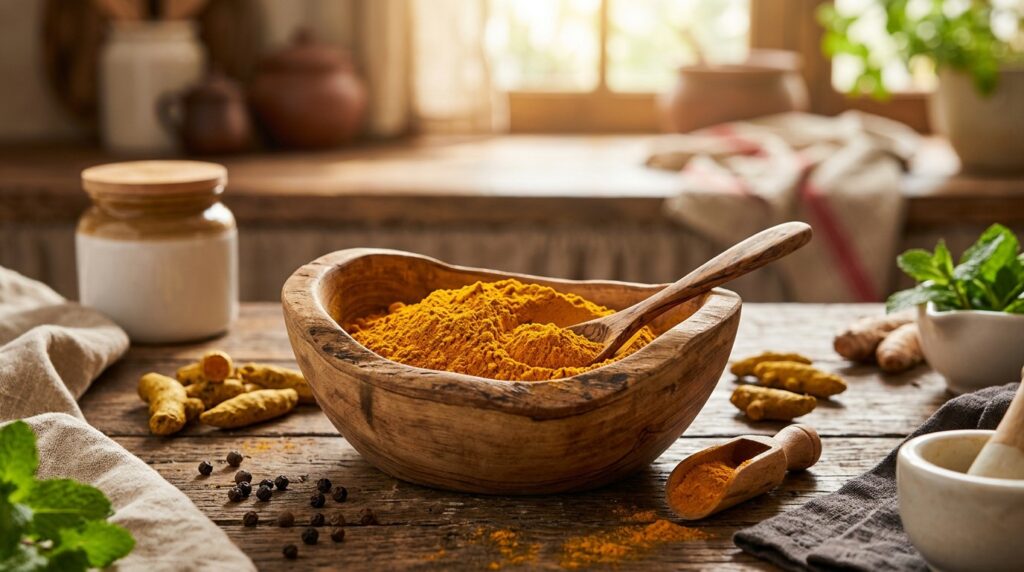
Ground turmeric powder is a form of turmeric produced by harvesting mature turmeric rhizomes, cleaning them thoroughly, boiling or steaming them, drying them completely and then grinding them into a fine powder.
Its vibrant yellow-orange colour comes from natural pigments called curcuminoids. The spice has been used for centuries across Asia, the Middle East and many other regions in both traditional cooking and cultural practices.
What Does Ground Turmeric Powder Taste Like?
Ground turmeric has a warm, earthy flavour with gentle bitterness and subtle peppery notes.
It pairs particularly well with:
- Rice dishes
- Curries
- Lentils
- Roasted vegetables
- Chicken
- Fish
- Soups
- Marinades
- Smoothies
- Herbal teas
Using too much can make dishes taste slightly bitter, so it is generally added in small amounts.
What Nutrients Are Found in Ground Turmeric Powder?
| Nutrient | Why It Matters |
|---|---|
| Curcuminoids | Natural plant compounds found in turmeric |
| Dietary fibre | Supports normal digestion |
| Iron | Helps support normal oxygen transport in the body |
| Manganese | Contributes to normal metabolism |
| Potassium | Helps support normal muscle function |
| Vitamin B6 | Supports normal energy metabolism |
This simple nutrient summary provides a quick reference for readers and search engines looking for concise factual information.
What Are the Main Benefits of Ground Turmeric Powder?
Ground turmeric powder is primarily valued as a culinary spice, although researchers continue to study its naturally occurring compounds.
Potential areas currently being researched include:
- Antioxidant activity
- Plant-based compounds called polyphenols
- Traditional digestive uses
- General dietary variety
- Curcumin absorption when combined with black pepper
Most scientific studies investigate concentrated curcumin extracts rather than ordinary culinary turmeric powder. This distinction is important when interpreting research findings.
How Can You Use Ground Turmeric Powder?
Ground turmeric is remarkably versatile and is used in many of the most popular turmeric recipes.
Popular everyday uses include:
Cooking
Add to:
- Curry recipes
- Rice
- Lentil dishes
- Stir-fries
- Roasted vegetables
- Homemade spice blends
Drinks
Many people stir turmeric into:
- Golden milk
- Smoothies
- Herbal teas
Baking
Small amounts can add colour and mild flavour to:
- Bread
- Savoury muffins
- Crackers
- Flatbreads

How Much Ground Turmeric Powder Should You Use?
For cooking, most recipes use between:
- ¼ teaspoon
- ½ teaspoon
- 1 teaspoon
The exact amount depends on personal taste and the recipe being prepared.
If using turmeric as part of a dietary supplement routine, professional healthcare advice may be appropriate, especially for anyone with existing medical conditions or taking medication.
How Should Ground Turmeric Powder Be Stored?
To help preserve flavour and colour:
- Store in an airtight container.
- Keep away from moisture.
- Avoid direct sunlight.
- Store in a cool cupboard.
- Keep away from heat sources.
When stored correctly, ground turmeric powder typically maintains good flavour for around one to two years, although it is best used while its aroma remains strong.
How Do You Choose High-Quality Ground Turmeric Powder?
When buying turmeric powder, look for:
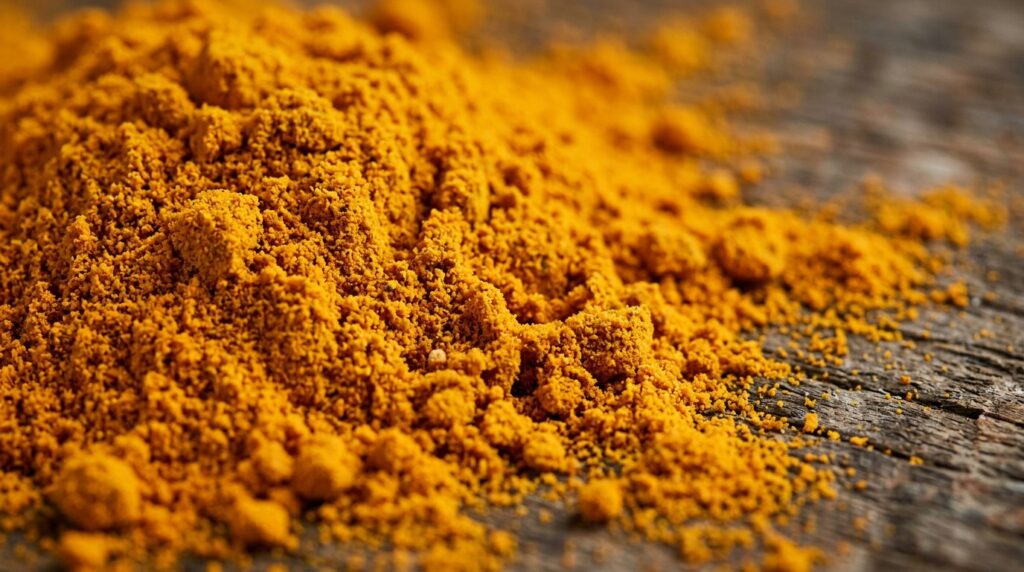
- Bright golden-yellow colour
- Fresh earthy aroma
- Fine texture
- Clearly labelled country of origin
- No unnecessary fillers or artificial colouring
- Reputable supplier with good quality standards
Organic options are available for those who prefer certified organic products.
Frequently Asked Questions
Is ground turmeric powder the same as fresh turmeric?
Can you eat ground turmeric powder every day?
Does ground turmeric powder expire?
Should turmeric be taken with black pepper?
What foods work best with ground turmeric powder?
Quick Answer Summary
What is ground turmeric powder?
Ground turmeric powder is a spice made by drying and grinding turmeric root. It is widely used in cooking for its warm earthy flavour and bright golden colour. It naturally contains curcuminoids, including curcumin, and is commonly added to curries, soups, rice dishes, smoothies and herbal drinks. Proper storage in an airtight container helps preserve its flavour and quality.
Disclaimer
This article is provided for general educational and informational purposes only. It should not be considered medical advice, diagnosis or treatment. Always consult a qualified healthcare professional before making significant dietary changes or using turmeric for medical purposes, particularly if you are pregnant, breastfeeding, have a medical condition or take prescription medication.
Related Sources of Information
- Turmeric: Usefulness and Safety – NCCIH — An evidence-based overview of turmeric, including traditional uses, current scientific research, safety considerations and what is known about curcumin.
- Turmeric Benefits: A Look at the Evidence – Harvard Health Publishing — Explains what turmeric is, how curcumin works, the latest research into its potential health benefits and important safety considerations.
- Everything You Need to Know About Turmeric – Medical News Today — A comprehensive guide to ground turmeric powder, its nutritional value, culinary uses, potential health benefits and practical ways to include it in everyday meals.
Written and reviewed by the Nutrition Whizz Editorial Team.