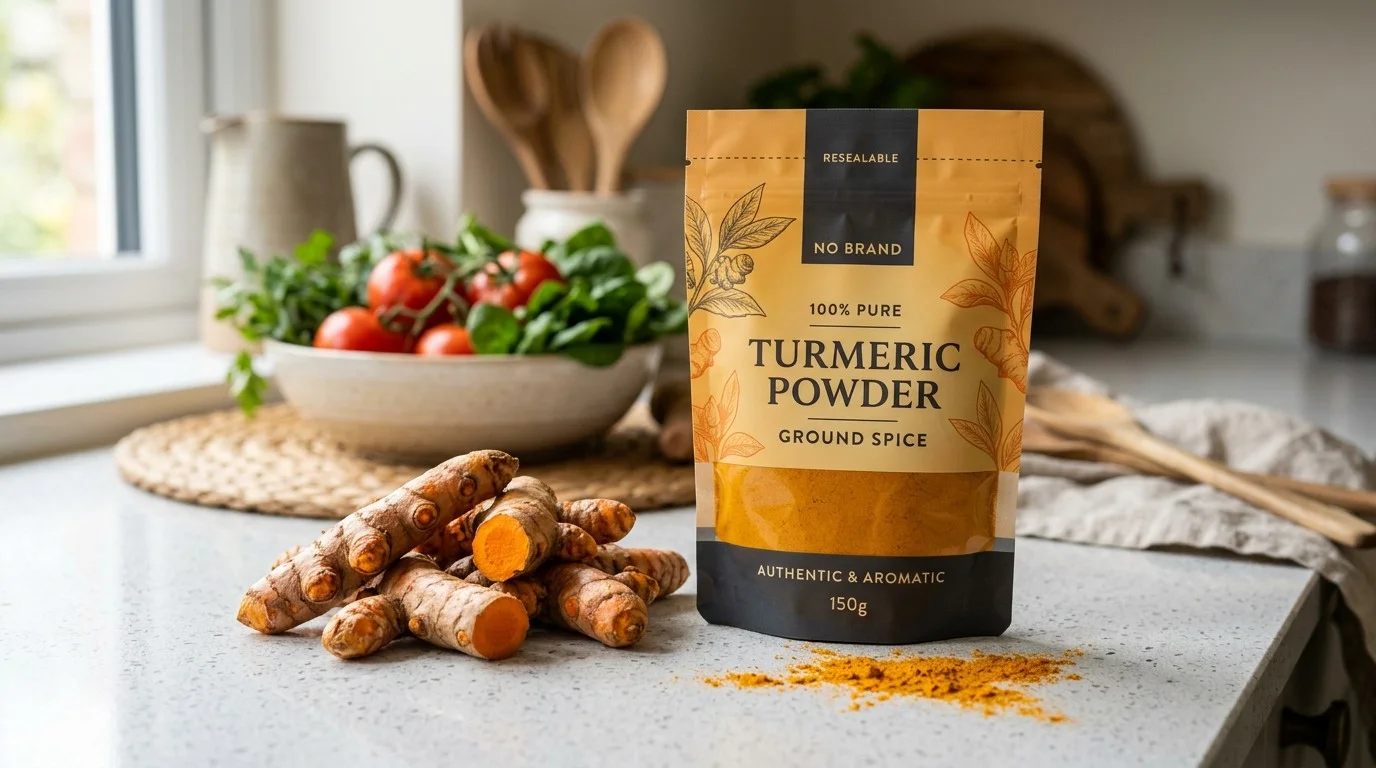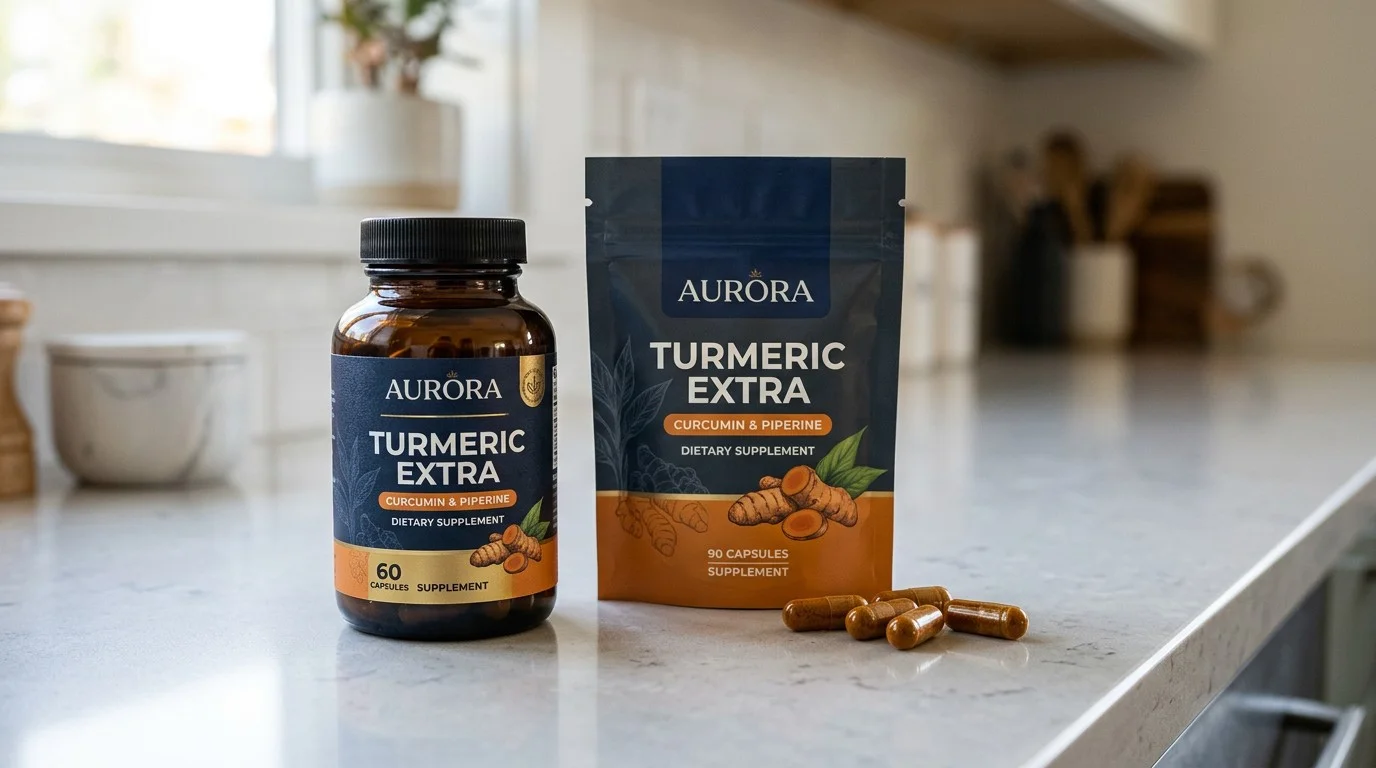

Turmeric and curcumin may affect how the blood clots, particularly when taken in concentrated supplements. However, turmeric is not a replacement for prescribed blood-thinning medicines.
For most people, using turmeric normally in food is different from taking a concentrated turmeric or curcumin supplement.
If you take blood-thinning medication, speak to your doctor or pharmacist before taking turmeric supplements, as combining them with medicines that affect clotting may increase the risk of bleeding.
Explore other areas of turmeric and health:

Turmeric is widely used in food and supplements, but concentrated turmeric and curcumin supplements may require extra care if you take medicines that affect blood clotting.
“Blood thinner” is an everyday term for medicines that reduce the likelihood of harmful blood clots.
They do not literally make the blood thinner.
There are different types of medicines that affect clotting. These include anticoagulants, such as warfarin and direct oral anticoagulants (DOACs), and antiplatelet medicines, such as aspirin and clopidogrel.
Turmeric contains natural compounds called curcuminoids. The best known is curcumin.
Research suggests that curcumin can affect processes involved in blood clotting, including how platelets behave.
This is one reason turmeric and curcumin supplements can be important for people who already take medicines that affect clotting.
However, this does not mean turmeric works in the same way as prescribed blood-thinning medication.
Turmeric and curcumin supplements deserve particular attention if you:
If you take regular medication, particularly medication affecting blood clotting, speak to your doctor or pharmacist before using a turmeric or curcumin supplement.
Using turmeric in food is different from taking a concentrated supplement.
A meal containing turmeric normally provides much smaller amounts of curcuminoids than some supplements.
Supplements can also contain concentrated turmeric extracts, curcumin and ingredients designed to increase absorption.
This means how you use turmeric matters when considering safety.
| Question | Simple Answer |
| Can turmeric affect blood clotting? | Possibly. Curcumin can affect processes involved in clotting. |
| Is turmeric a prescribed blood thinner? | No. |
| Can turmeric replace blood-thinning medication? | No. |
| Are food and supplements the same? | No. Supplements can be much more concentrated. |
| Can supplements interact with blood thinners? | Potentially, so medical advice is important. |
| Does turmeric matter before surgery? | It can. Tell your healthcare team about supplements you take. |
There is some science behind the idea that turmeric can have “blood-thinning” effects, but the phrase needs some explanation.
Research suggests that curcumin can affect platelets and other processes involved in blood clotting.
That does not mean eating turmeric produces the same effect as taking a prescribed anticoagulant or antiplatelet medicine.
It is therefore more accurate to say that turmeric and curcumin may affect blood clotting rather than treating turmeric as a natural replacement for blood-thinning medication.
When you cut yourself, your body needs to stop the bleeding. Platelets and clotting proteins work together to form a clot.
Research suggests curcumin may influence some of these processes, including platelet aggregation, which describes platelets sticking together.
Experimental research has also investigated curcumin’s effects on other parts of the clotting process.
This helps explain why researchers and healthcare organisations take possible interactions between concentrated turmeric supplements and blood-thinning medicines seriously.
It does not prove that turmeric should be used to prevent blood clots.
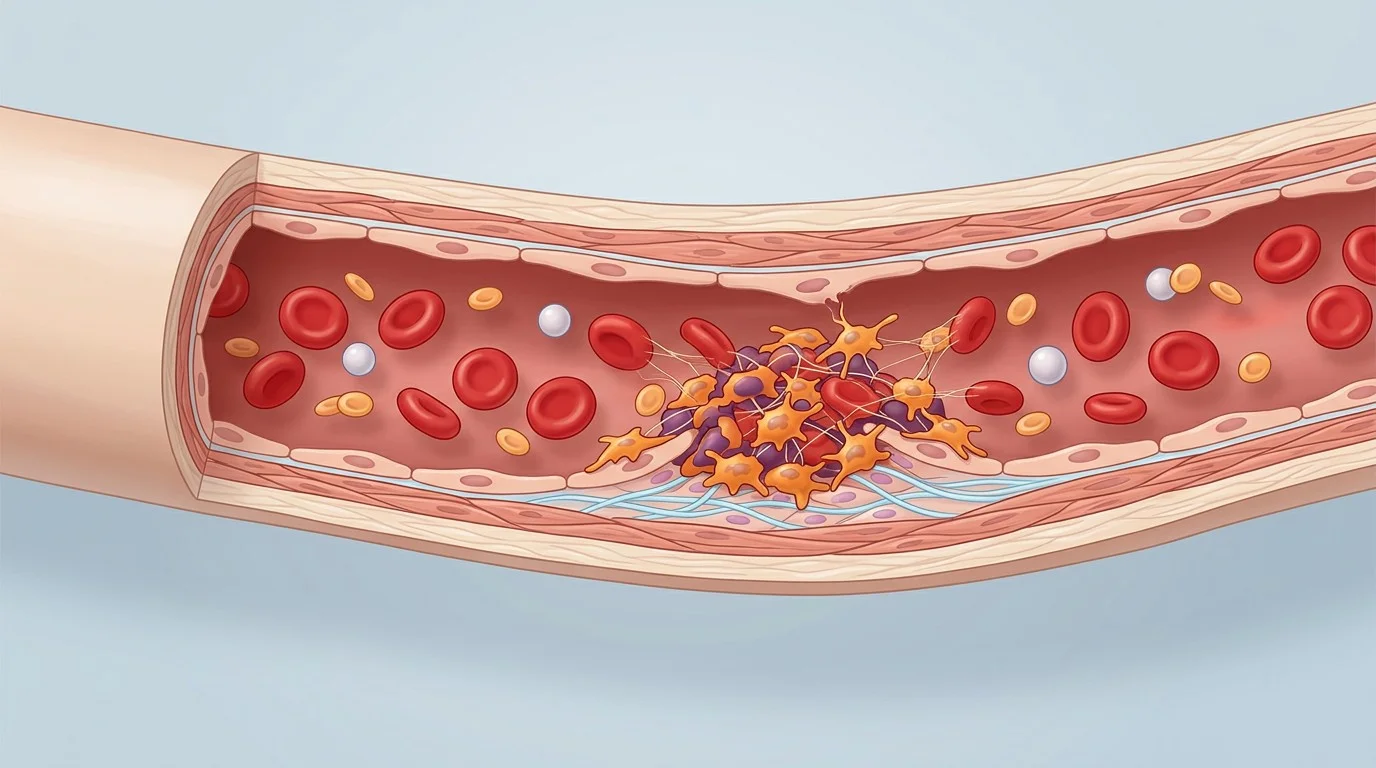
Platelets help the body form clots to stop bleeding. Research suggests curcumin may influence platelet activity and other processes involved in clotting.
Studies have found that curcumin can influence biological processes involved in blood clotting.
For example, experimental research has identified effects involving platelet activity and parts of the coagulation process. Scientific reviews have also examined curcumin’s possible antiplatelet and anticoagulant effects.
However, there is an important difference between demonstrating a biological effect and showing that something is a safe and effective medical treatment.
There is not enough clinical evidence to use turmeric as a reliable treatment for preventing blood clots.
For most people, the more useful finding is therefore about safety and possible interactions, particularly when concentrated supplements are combined with medicines that already affect clotting.
This is an important distinction.
Turmeric is widely used as a spice and food ingredient.
The amount of curcumin obtained from normal culinary use is generally much lower than the amounts that can be provided by concentrated supplements.
Adding turmeric to curry, soup or other food is therefore not the same as taking a concentrated turmeric or curcumin supplement.
Supplements can contain different ingredients and concentrations, including:
Two products labelled “turmeric” can therefore be quite different.
This is why somebody taking blood-thinning medication should not assume a concentrated supplement is harmless simply because turmeric is also used as a food.

Turmeric used in food is different from concentrated turmeric and curcumin supplements, which can provide much higher amounts of curcuminoids
| Potential Advantages | Potential Disadvantages |
| Turmeric is easily used as part of normal cooking. | Concentrated supplements may interact with medicines. |
| Curcumin’s effects on clotting are an active area of research. | Effects are not predictable enough to replace blood-thinning medication. |
| Research helps us understand how curcumin affects the body. | Combining supplements with blood thinners may increase bleeding risk. |
| Food generally provides lower amounts than concentrated supplements. | Supplement formulations and absorption can vary considerably. |
This is probably the most important safety consideration on the page.
The British Heart Foundation advises that high doses of turmeric could have a blood-thinning effect and may increase the risk of bleeding when combined with anticoagulants such as warfarin or DOACs.
Other medical sources also advise caution with turmeric or curcumin supplements in people taking medicines that affect clotting.
Examples can include:
This does not mean everyone taking one of these medicines will have a problem with turmeric.
It means you should not experiment with concentrated turmeric or curcumin supplements without checking first.
If you take blood-thinning medication, speak to your doctor or pharmacist before taking a turmeric or curcumin supplement.
Do not stop or change prescribed medication because you want to take turmeric.
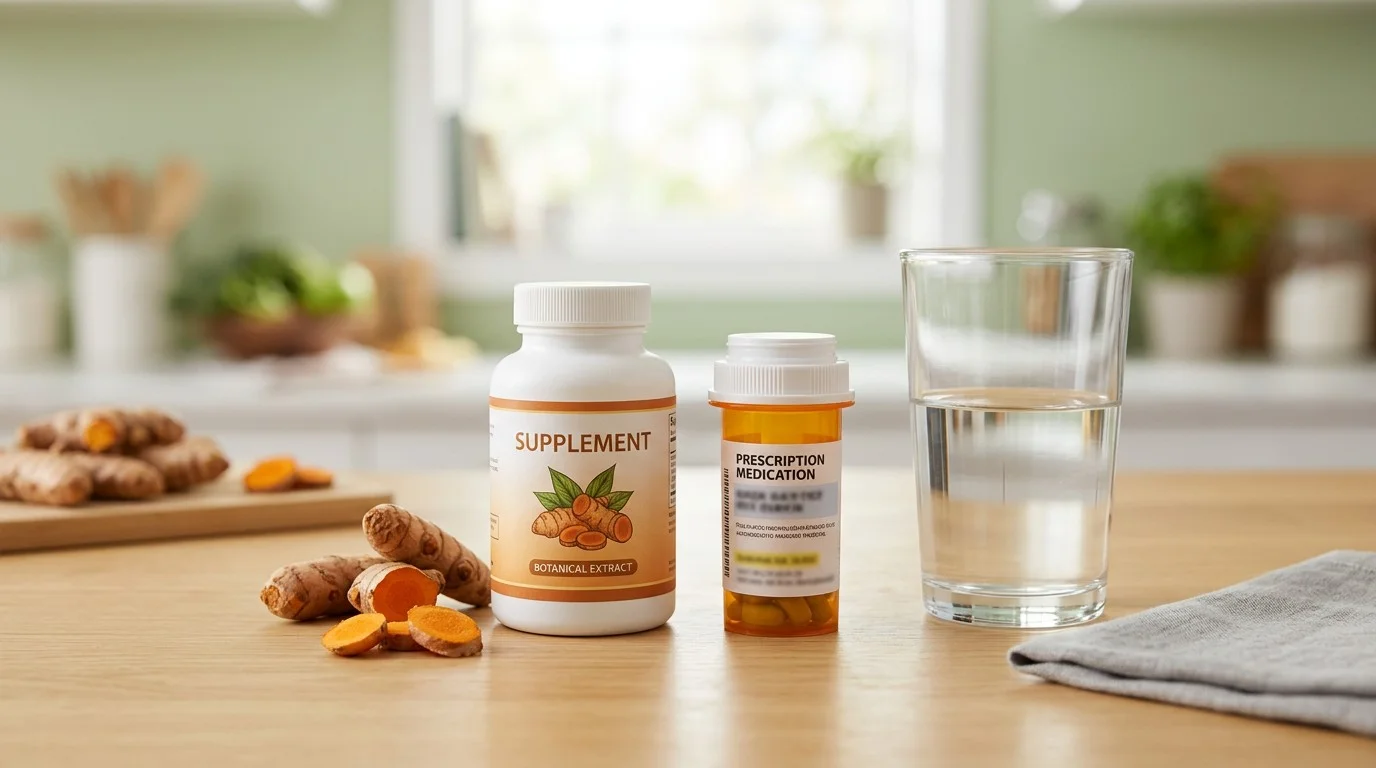
Turmeric and curcumin supplements may interact with medicines that affect blood clotting, so check with a doctor or pharmacist before combining them.
No.
Turmeric should not be used as a replacement for aspirin or another medicine prescribed to reduce the risk of blood clots.
Curcumin may affect some of the biological processes involved in clotting, but that does not make turmeric equivalent to a medicine with an established dose, clinical effect and medical purpose.
If you have been prescribed aspirin, warfarin or another medicine to reduce your risk of blood clots, do not stop or replace it without speaking to your healthcare professional.
Turmeric and curcumin supplements can also be important when preparing for surgery or another medical procedure.
Because of their potential effects on clotting, your healthcare team needs to know about the supplements you take.
If you use turmeric or curcumin supplements and are due to have a procedure, tell your doctor, surgeon, pharmacist or pre-operative team.
They can tell you whether you need to stop taking the supplement and when.
Do not rely on a general internet rule because the appropriate advice can depend on the procedure, supplement, medicines you take and your individual circumstances.
Turmeric and curcumin may affect processes involved in blood clotting, particularly platelet activity.
However, turmeric does not work as a predictable replacement for prescribed anticoagulant or antiplatelet medication.
If you take blood-thinning medication, speak to your doctor or pharmacist before taking turmeric or curcumin supplements.
Combining supplements with medicines that affect clotting could increase the risk of bleeding.
No.
Turmeric should not replace aspirin or another medicine prescribed to prevent harmful blood clots.
Curcumin can affect processes involved in blood clotting and platelet activity.
However, describing curcumin simply as a “blood thinner” can make it sound equivalent to an established anticoagulant medicine. It is not a replacement for prescribed treatment.
Potentially.
Research suggests curcumin can influence platelet activity and other parts of the clotting process. This is particularly relevant when concentrated supplements are used alongside medicines that also affect clotting.
Using turmeric normally in food is different from taking a concentrated turmeric or curcumin supplement.
If you take anticoagulant or antiplatelet medication and consume unusually large amounts of turmeric or want to use a supplement, ask your doctor or pharmacist for advice.
There is no established dose of turmeric that should be taken to thin the blood.
Increasing turmeric or curcumin intake in an attempt to produce a blood-thinning effect could increase the risk of side effects or medicine interactions.
Tell your healthcare team if you take turmeric or curcumin supplements before surgery or another medical procedure.
They can advise whether you need to stop taking them and when.
Many people use turmeric supplements without serious problems, but supplements can cause side effects and interact with medicines.
People taking medicines that affect blood clotting should seek professional advice before using them.
Yes. Turmeric and curcumin supplements can potentially interact with medicines, including those affecting blood clotting.
If you take regular medication, check with your doctor or pharmacist before adding a turmeric or curcumin supplement.
Turmeric is only one small part of diet and lifestyle.
Looking after cardiovascular health involves the wider picture, including a balanced diet, regular physical activity, maintaining a healthy weight, not smoking and appropriately managing conditions such as high blood pressure and high cholesterol.
Turmeric should not replace prescribed medication or established medical care.
Turmeric and curcumin may affect how the blood clots, which is why turmeric is sometimes described as a natural blood thinner.
However, turmeric is not equivalent to prescribed blood-thinning medication and should not be used to replace it.
The main practical concern is concentrated turmeric or curcumin supplements, particularly for people taking anticoagulant or antiplatelet medicines or preparing for surgery.
Using turmeric normally in food and taking a concentrated supplement are not the same thing.
If you take medication that affects blood clotting, speak to your doctor or pharmacist before using a turmeric or curcumin supplement.
The following independent sources provide further information about turmeric, curcumin, blood clotting and supplement safety. They are included for informational purposes only and should not be considered medical advice.
The British Heart Foundation provides practical guidance on turmeric supplements, heart medicines and potential interactions with anticoagulants.
The Welsh Medicines Advice Service explains potential interactions between turmeric or curcumin and medicines or supplements that affect blood clotting, including those with anticoagulant or antiplatelet effects. data turmeric blood thinner 26 …
This scientific review examines curcumin in relation to haemostasis, blood clotting, platelet activity and coagulation.
This experimental study investigates how curcumin and a related curcuminoid may affect processes involved in blood coagulation.
This page is provided for informational purposes only and is not a substitute for medical advice, diagnosis or treatment.
Turmeric and curcumin supplements may interact with medicines, including anticoagulant and antiplatelet medicines. If you take prescription medication, have a bleeding or clotting disorder, or are preparing for surgery or another medical procedure, speak to your doctor, pharmacist or another qualified healthcare professional before using turmeric or curcumin supplements.
Do not stop, replace or change prescribed medication based on information on this website.
Always read and follow the manufacturer’s label and instructions before using any supplement.
Written by J. Henderson
Health & Wellness Research Writer
J. Henderson writes evidence-based articles on nutrition, botanical supplements and everyday wellbeing. His work focuses on translating scientific research into clear, practical guidance that helps readers make informed decisions about natural health products.